Minnesota, Fleet Farm Settle for $1 Million Over Alleged Straw Gun Purchases
Keith Ellison says Fleet Farm will pay $1,000,000 and overhaul gun‑sale practices after a lawsuit alleging the retailer sold guns to straw purchasers linked to the Truck Park Bar shooting.
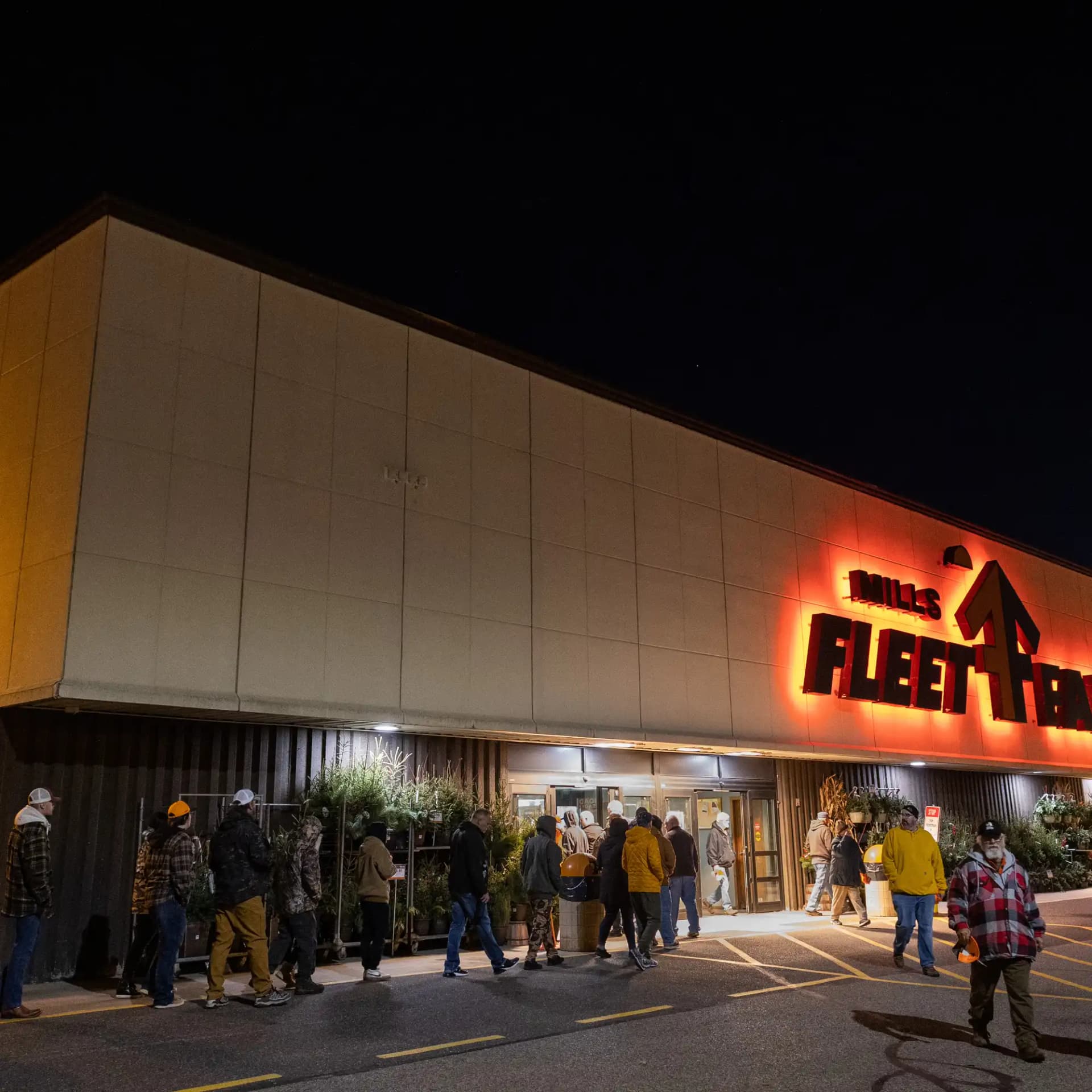
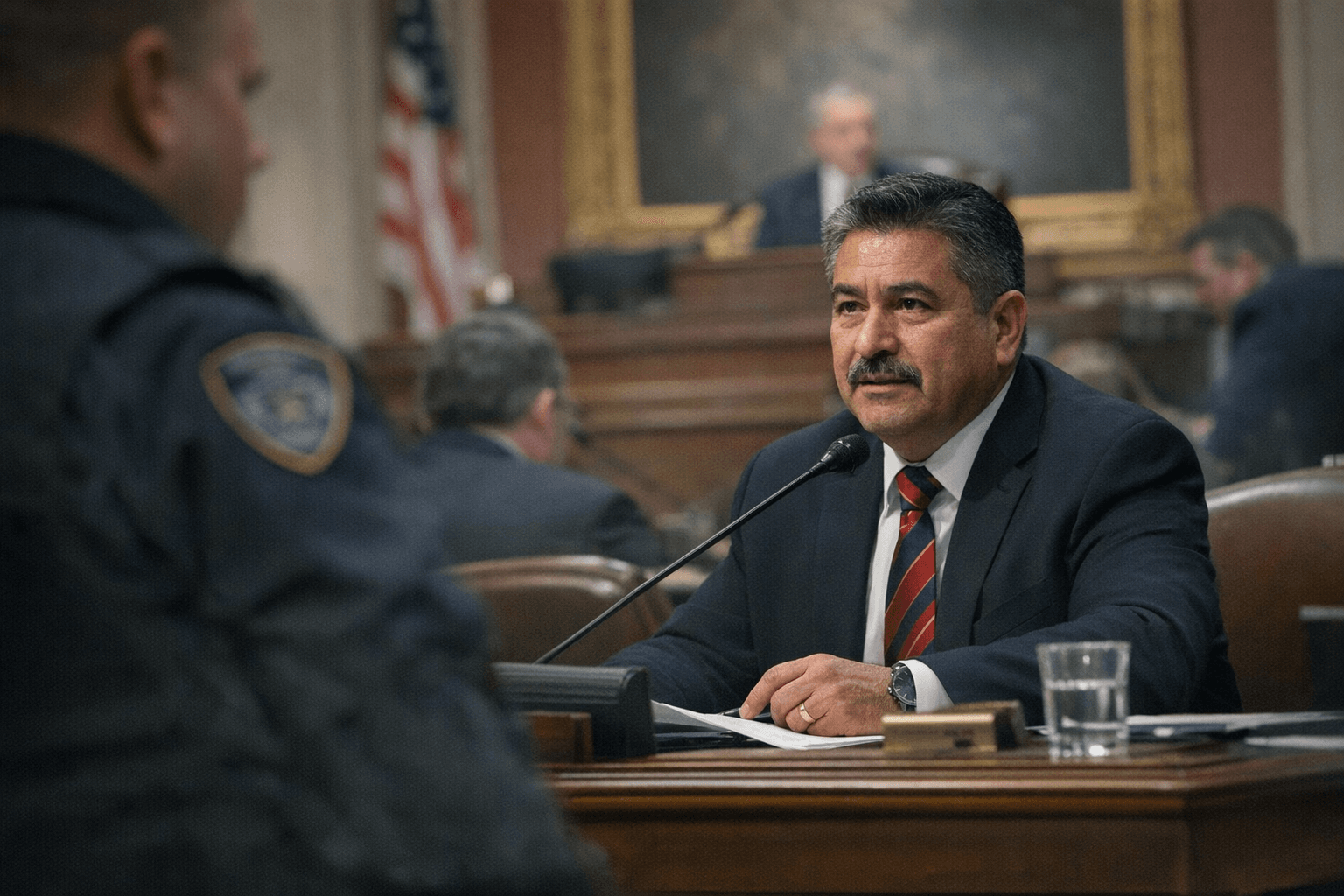
Attorney General Keith Ellison announced in St. Paul that Minnesota reached a settlement with retailer Fleet Farm requiring the company to pay $1,000,000 and adopt new firearm‑sale policies, his office said. The settlement was filed in federal court Feb. 24, 2026, according to KAXE UpNorthReport.
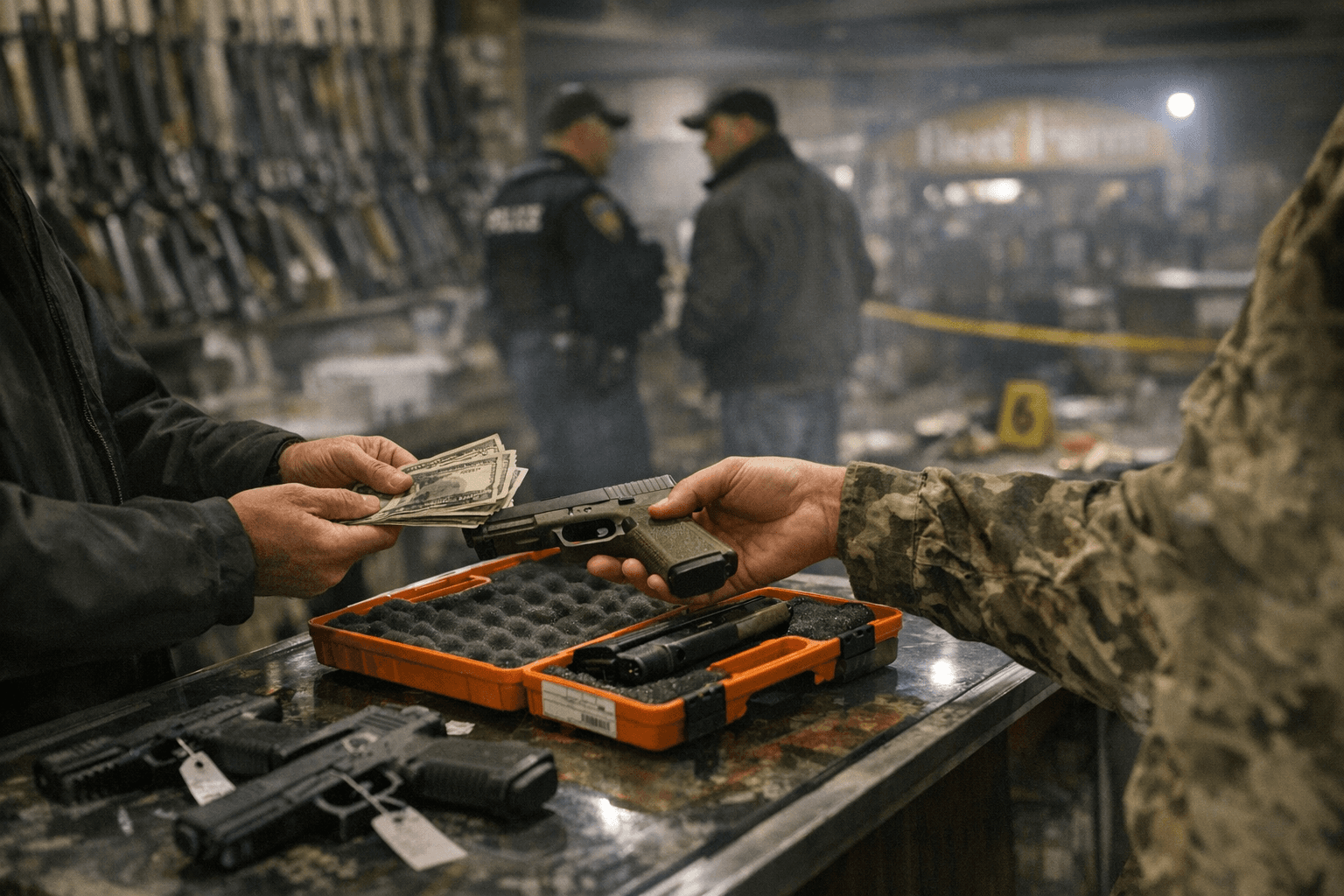
Ellison sued Fleet Farm in 2022, alleging the retailer enabled straw purchases of firearms and sold guns despite clear warning signs. CBS Minnesota reported the 2022 complaint claimed Fleet Farm sold at least 37 guns to two straw purchasers in less than a year and a half, while KSTP reported court records showing Jerome Horton Jr. purchased 33 guns within a year and a half and regularly had someone else with him.
The lawsuit connects one of the guns from the alleged straw‑purchase chain to the 2021 Truck Park Bar mass shooting in St. Paul. CBS Minnesota named the shooter as Terry Brown and the slain victim as 27‑year‑old Marquisha Wiley; the report said Brown was sentenced to nearly 37 years and that the man who sold Brown the gun was sentenced to 25 months.
Under the settlement announced Feb. 24, Fleet Farm will pay $1,000,000 and implement specific operational changes to detect and prevent straw purchases, as reported across outlets. Measures cited include strengthening employee training on warning signs of straw purchasing, creating a list of warning signs for staff, conducting unannounced compliance checks to test employees, deploying software that allows employees to track firearm sales across different Fleet Farm stores, and installing monitoring or alert systems that flag purchasers linked to guns recovered in crimes or alert staff to ATF firearm trace requests. The settlement also requires updated discipline policies for staff who fail to notice signs of straw purchases, as described by CBS Minnesota, KSTP and Bring Me the News.
Ellison framed the settlement as accountability for what he described as corporate negligence in protecting Minnesotans. “I took Fleet Farm to court after the company put the lives of Minnesotans in danger by ignoring clear warning signs and selling guns to straw buyers,” Ellison said, and he added, “The warning signs that Fleet Farm ignored were so clear that Fleet Farm themselves went on to use those sales as examples of obvious red flags in internal trainings. On behalf of the people of Minnesota, we are holding them to account for that callous behavior. Today’s settlement forces the company to significantly change their internal policies to protect the people of Minnesota and imposes a substantial financial penalty on them,” as quoted by Bring Me the News and Yahoo.
Professor Megan Walsh of the University of Minnesota’s gun violence prevention clinic, who helped litigate the case with students, said, “This isn't just about putting one person in jail. This is about addressing a huge issue of public safety upstream. This isn't just affecting one gun sale — this is affecting gun sales across the country, making it safer for all of Minnesota,” according to CBS Minnesota.
Fleet Farm issued a statement to WCCO, quoted by CBS Minnesota and other outlets: “we are pleased to have reached a resolution with the Minnesota Attorney General's Office on this matter. We condemn gun violence and remain committed to partnering with law enforcement and community leaders to help keep our communities safe.” KAXE noted Fleet Farm operates stores in Minnesota, North Dakota, South Dakota, Iowa and Wisconsin, indicating the settlement’s policy changes will affect a multi‑state retail footprint.
The litigation has a recent procedural history: a judge declined to dismiss the case last October, and the settlement was filed in federal court on Feb. 24, 2026, per KAXE. The agreement requires Fleet Farm to carry out the training, software and monitoring changes detailed in reporting, while Minnesota officials will use the federal filing to enforce the new obligations.
Know something we missed? Have a correction or additional information?
Submit a Tip