Minnesota Power begins deploying smart spheres and drones for transmission monitoring
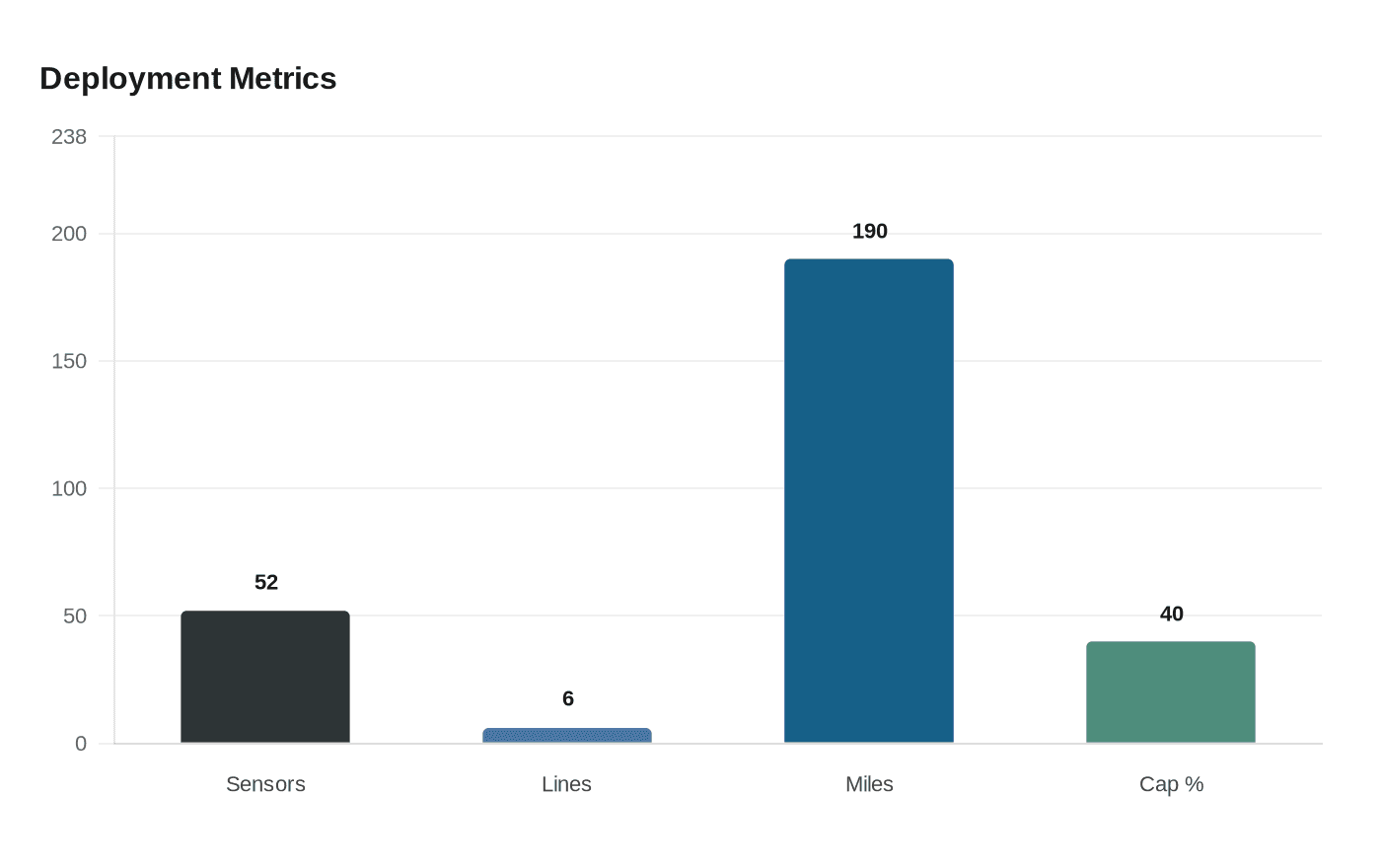
Minnesota Power deployed 52 eight-pound Heimdall "Neuron" sensors across about 190 miles of congested lines near Duluth, using drones to clamp devices onto energized conductors.
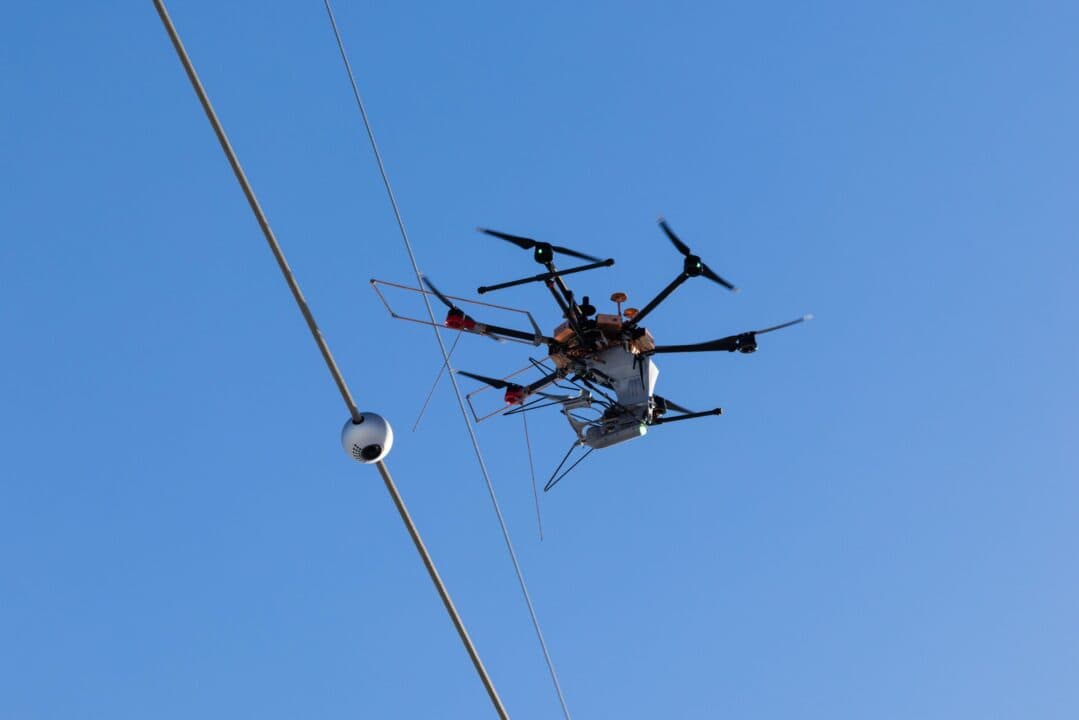
Minnesota Power began deploying 52 Heimdall Power Neuron sensors on six congested transmission lines covering roughly 190 miles, demonstrating the technology in Duluth on February 27, 2026. The company said the devices — commonly called smart spheres and weighing about 8 pounds each — will feed near-real-time line and weather data to operators and help the utility manage power flows without taking lines out of service.
The Neurons monitor wire temperature, air temperature, humidity, voltage, current, weather conditions and line movement, Minnesota Power wrote in a LinkedIn post. “Imagine a smartwatch for power lines… Today we demonstrated the technology of Heimdall Power smart spheres, also known as neuron sensors. We are installing them over about 190 miles on six transmission lines that experience congestion. The spheres monitor and report line conditions like temperature, humidity, and voltage- which creates a clear picture of power flow capacity for our operators. The end-product is improved reliability and efficiency, as the data allows us to deliver more electricity through the lines,” the post said.
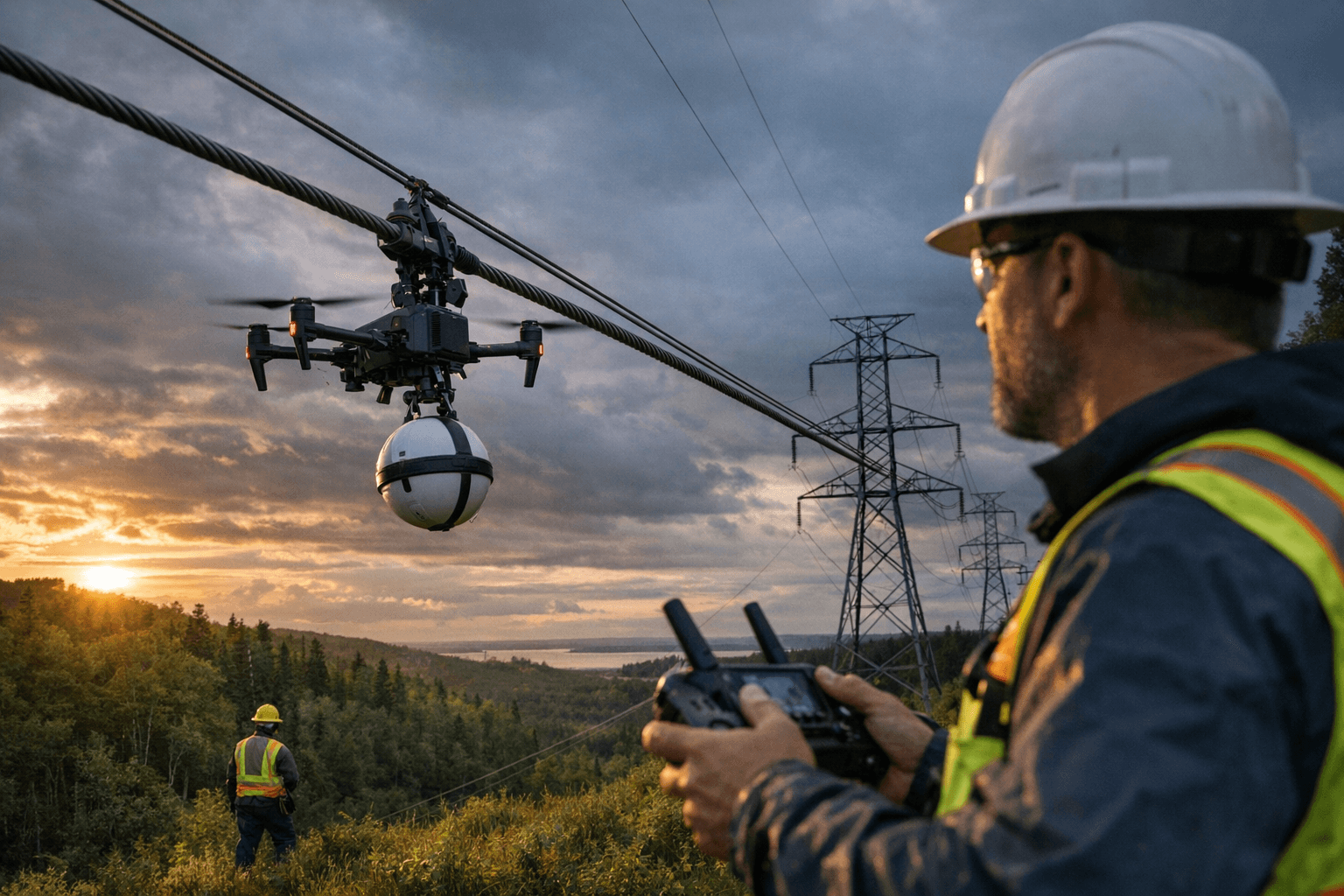
Heimdall Power of Norway supplied the devices and described the drone installation sequence used during the Duluth demonstration. Brian Berry, chief product officer at Heimdall, said, “The pilot will take it up to the line, and then the drone actually takes over. The drone senses the line. It flies itself to the line safely, keeps the line 100% safe, closes the neuron around that line, disengages, and then the pilot can return it safely to the ground.” The Neurons clamp onto energized conductors, harvest the line’s energy to power themselves, and transmit telemetry via cellular and satellite links.
Minnesota Power framed the rollout as a low-cost way to increase capacity on existing infrastructure. Dan Gunderson, vice president of transmission planning and operations at Minnesota Power, said, “We’ve liked what we’ve seen from the product here, and a lot of other utilities have had really good experiences, both with the install the information, as well as their capability to to actually achieve the goals that you want with a sensor system like this.” Company statements and industry reports referenced by the utility noted that other utilities installing similar sensors have reported unlocking up to 40% more transmission capacity, a figure Minnesota Power cited as part of its rationale.
The utility emphasized longevity and operational uses in St. Louis County-area operations: Minnesota Power and Heimdall said the Neurons can be left on lines for up to 10 years without maintenance and are “inexpensive to install.” Jennifer J. Cady, in a Minnesota Power LinkedIn post, tied the deployment to the company’s transmission strategy: “Leveraging grid enhancing technologies to maximize the efficient use of our existing infrastructure is a key part of our transmission strategy at Minnesota Power. Today was a great demonstration of that strategy in action as we installed neuron sensors over 190 miles of transmission lines! Adopting technology that helps us get the most out of what we already have is a key way we work to keep the electric grid reliable and costs down for customers.” Minnesota Power also said the data will be useful during construction on power lines over the next three to five years as the utility evaluates operational gains for reliability and cost savings.
Know something we missed? Have a correction or additional information?
Submit a Tip