Minnesota Sues Trump Administration for Withholding Evidence in Two High-Profile Killings
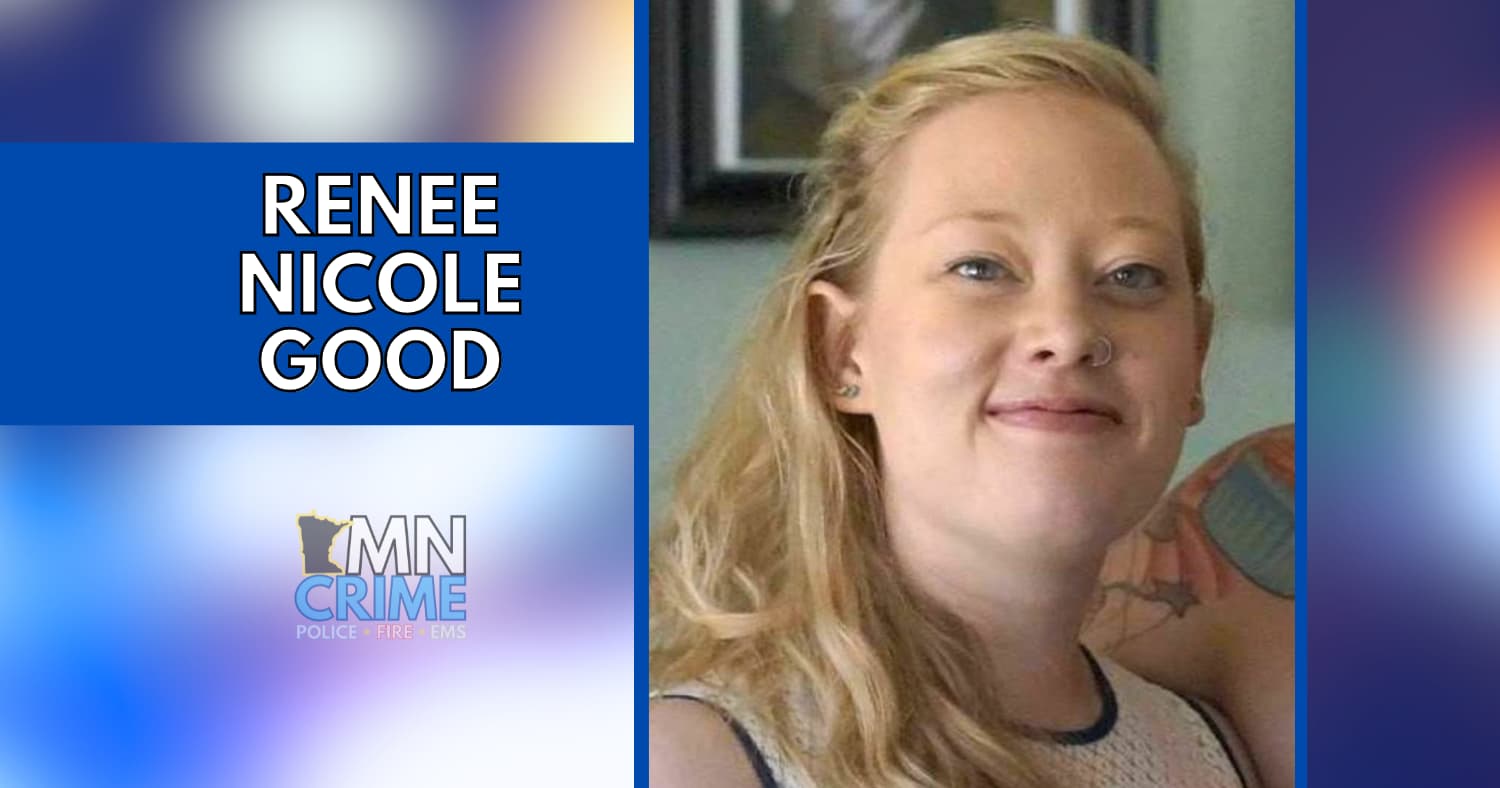
Minnesota sued the Trump administration Tuesday after federal agencies refused to hand over evidence from three shootings — including the killings of Renee Good and 37-year-old Alex Pretti — during Operation Metro Surge.
The lawsuit, filed Tuesday, March 24, in U.S. District Court for the District of Columbia, argues that attempts by state officials to gather evidence into the shootings, including the names of the federal agents involved, have been shut down at the highest levels of the Trump administration.
The state of Minnesota sued the Trump administration, accusing its top law enforcement agencies of withholding evidence from the killings of Renee Good and Alex Pretti and the shooting of Julio Sosa-Celis to protect agents in Operation Metro Surge from potential criminal charges. The lawsuit was filed by Minnesota Attorney General Keith Ellison, Hennepin County Attorney Mary Moriarty, and Superintendent Drew Evans with the Minnesota Bureau of Criminal Apprehension.
Moriarty said the federal government "has adopted a policy of categorically withholding evidence," calling the practice unprecedented and alarming, and said the lawsuit followed formal demands for evidence after the federal government blocked Minnesota investigators from accessing evidence related to the shootings. "We are prepared to fight for transparency and accountability that the federal government is desperate to avoid," Moriarty told reporters. Ellison was blunter about the stakes: "It really has scary implications for the whole country."
The petition centers on three high-profile incidents: the Jan. 7 killing of Good in south Minneapolis by an Immigration and Customs Enforcement agent; the shooting of Sosa-Celis in north Minneapolis by ICE agents on Jan. 14; and the Jan. 24 killing of Pretti in south Minneapolis by Customs and Border Patrol agents. Pretti was 37 years old. In addition to the Pretti and Good cases, the lawsuit demands access to evidence in the case of Julio Cesar Sosa-Celis, who was shot and wounded in his right thigh by a federal agent in January. Federal officials initially accused Sosa-Celis and another man of beating an Immigration and Customs Enforcement officer with a broom handle and a snow shovel, but federal prosecutors later dropped all charges against the men and authorities opened a criminal investigation into whether two immigration officers lied under oath about the shooting.
In the case of the Jan. 7 shooting of Renee Good, Minnesota police allege that based on their current knowledge her car remains shrink-wrapped in an FBI storage facility in Minnesota and to this day has still not been examined or processed.
The suit came more than seven weeks after Moriarty filed the first of multiple letters with the federal government seeking evidence from the shootings. Known as Touhy letters, they are part of the formal process for obtaining records and evidence from federal agencies, and the lack of response from the Trump administration led to this lawsuit. The state claims the federal government "reneged on its promise to cooperate with state investigations" following the surge of federal officers into Minneapolis.
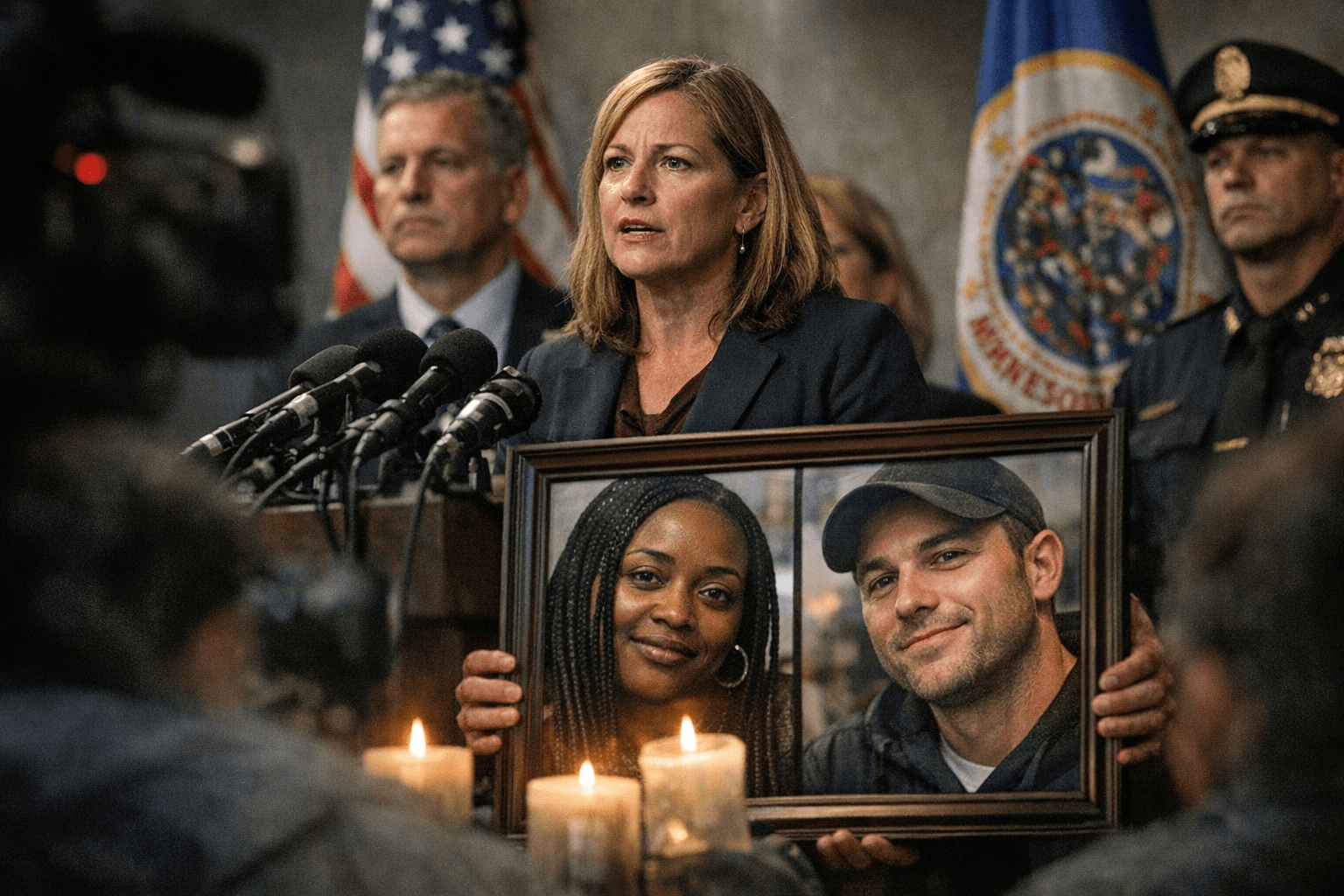
The petition frames the standoff as a constitutional confrontation. The lawsuit said the federal government is not permitted to "withhold investigative evidence for the purpose of shielding law enforcement officers from scrutiny where a State is investigating serious potential violations of its criminal laws, targeting its citizens, within its borders." The complaint asserts two distinct legal violations: that the blanket refusal to share evidence constitutes arbitrary and capricious action under the Administrative Procedure Act, and that the withholding infringes on Minnesota's Tenth Amendment right to exercise its police powers.
The Justice Department in January said it was opening a federal civil rights investigation into Pretti's killing but said a similar federal probe was not warranted in the killing of Good. The decision in Good's case marked a sharp departure from past administrations, which moved quickly to investigate shootings of civilians by law enforcement officials for potential civil rights offenses. Deputy Attorney General Todd Blanche has said that the department's Civil Rights Division does not investigate every law enforcement shooting and that there have to be circumstances and facts that "warrant an investigation."
The Department of Homeland Security, responding to the lawsuit, said all three shootings remain under investigation, including the killing of Good, which Trump administration officials had previously said was not under investigation. A department spokesperson said the FBI is leading the investigation into Pretti's killing, with Homeland Security support, and Customs and Border Protection is conducting an internal investigation.
The county office received over 1,000 tips from the public on the shootings of Good and Pretti via an online portal opened to collect evidence. Earlier this month, Moriarty initiated a second portal and said her office was investigating a number of incidents of potentially unlawful action by officers over the course of the immigration enforcement operation. Moriarty offered no ambiguity about the state's position: "There has to be an investigation any time a federal agent or a state agent takes the life of a person in our community."
Operation Metro Surge ended soon after the Pretti shooting and federal agents were pulled out of Minnesota in February. The state is now seeking a court order compelling the DOJ and DHS to comply with its evidence demands — a legal escalation that Ellison suggested carries implications far beyond Minneapolis.
Sources:
Know something we missed? Have a correction or additional information?
Submit a Tip