Miracle babies born at Mauthausen survived the Holocaust
Three babies born amid Mauthausen’s terror in April 1945 survived the Holocaust, a fragile human triumph mirrored by South Africa’s vanishing great whites.
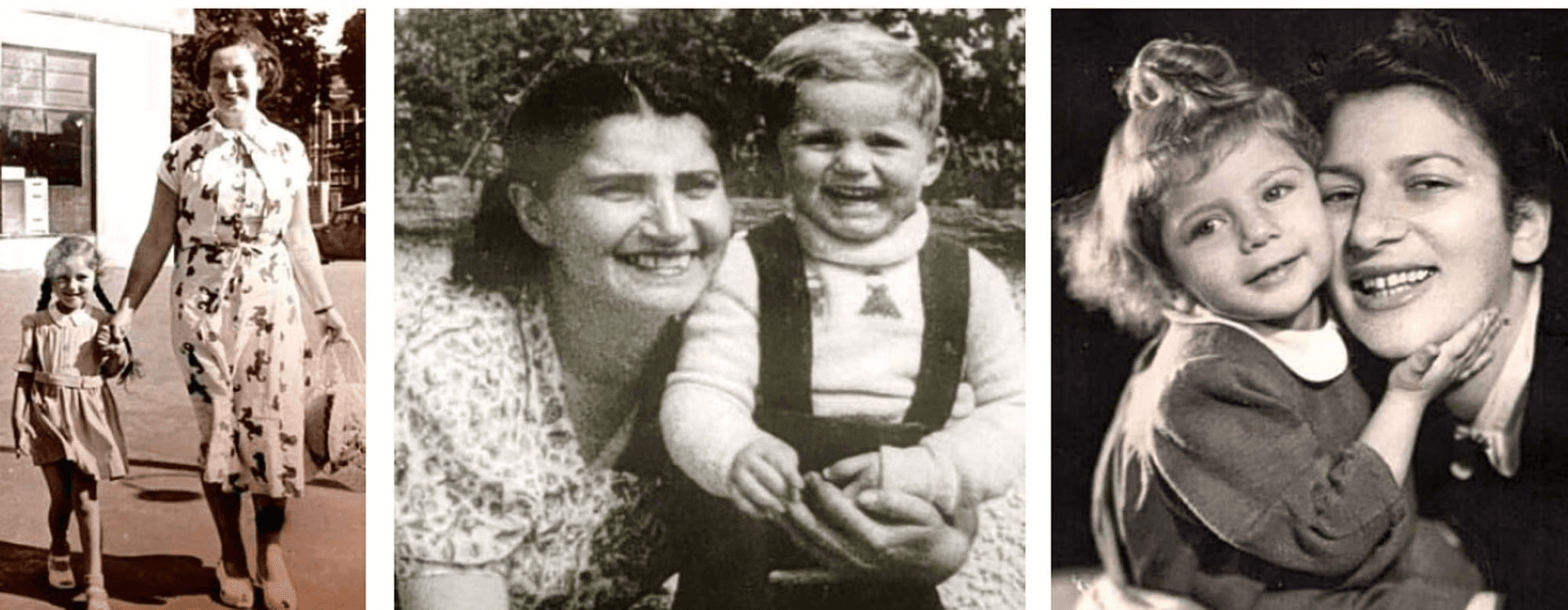
Three newborns entered the world in the shadow of Mauthausen’s barbed wire in late April 1945, and all three lived on. Eva Clarke, Hana Berger-Moran and Mark Olsky were born just before Germany’s surrender in May, placing them among, if not the, youngest survivors of the Holocaust.
Their mothers, Anka from Czechoslovakia, Rachel from Poland and Priska, also from Czechoslovakia, were young Jewish women who had been newly pregnant when Nazi authorities sent them into the camp system. In a regime that treated pregnancy as a death sentence, they had to hide those pregnancies from doctors and guards, then survive the final weeks of the war long enough for their babies to be born.
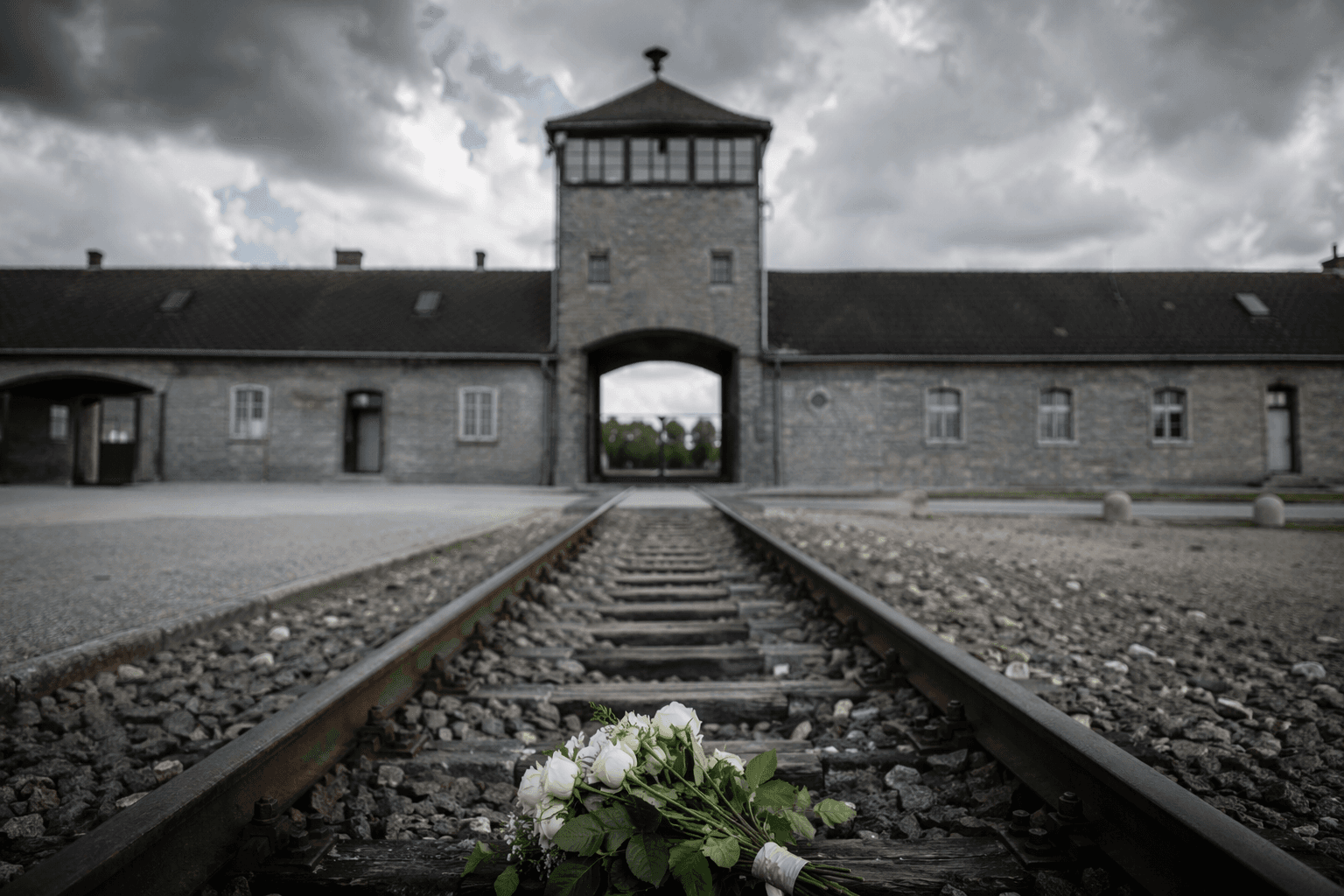
Mauthausen was established after the Nazi incorporation of Austria in 1938, and by the time the US Army reached Gusen and Mauthausen on May 5, 1945, roughly 190,000 people had been imprisoned there and at least 90,000 had died. The SS housed women in the main camp only from the beginning of 1945, and starting in January more than 7,000 women and several hundred children were transferred there from other camps. In that machinery of forced movement and starvation, survival for pregnant women and infants was vanishingly rare.
The three births unfolded in different, brutal places. Priska gave birth in April 1945 before a 17-day train journey to Mauthausen. Rachel delivered her baby on the train. Anka gave birth at the camp gates. That any of them survived speaks to the thin line between memory and oblivion, and to how easily the fate of the most vulnerable can be erased unless it is deliberately preserved.
The same tension runs through another story of disappearance half a world away. Great white sharks once made the waters around Cape Town, especially Seal Island in False Bay, a global destination for sightings, with tens of thousands of seals drawing the predators close. About 10 years ago, carcasses began washing up on beaches with their livers missing, and the sharks largely vanished. Chris Fallows said he once saw 250 to 300 great whites a year there, but now there are none.
South Africa became the first country to protect great white sharks in 1991, yet conservationists and scientists now fear the country could be the first to lose that population to local extinction. Some blame orcas; others point to human pressure. By mid-2018, great whites were reported gone from False Bay, and the ecosystem shifted in their absence, with more Cape fur seals and sevengill sharks. Together, the two stories trace the same hard lesson: survival is real, but so is loss, and both depend on what societies choose to remember and protect.
This article was produced by Prism’s automated news system from verified source data, official records, and press releases, then run through automated quality and moderation checks before publishing. The system is built and supervised by the people who set the standards it runs under. Read our full AI policy.
Did this article answer your question?