Mississippi liquor deliveries lag weeks after warehouse system overhaul
Mississippi’s state liquor warehouse overhaul left more than 172,000 cases pending, snarling deliveries for weeks and exposing how a control-state monopoly can fail.
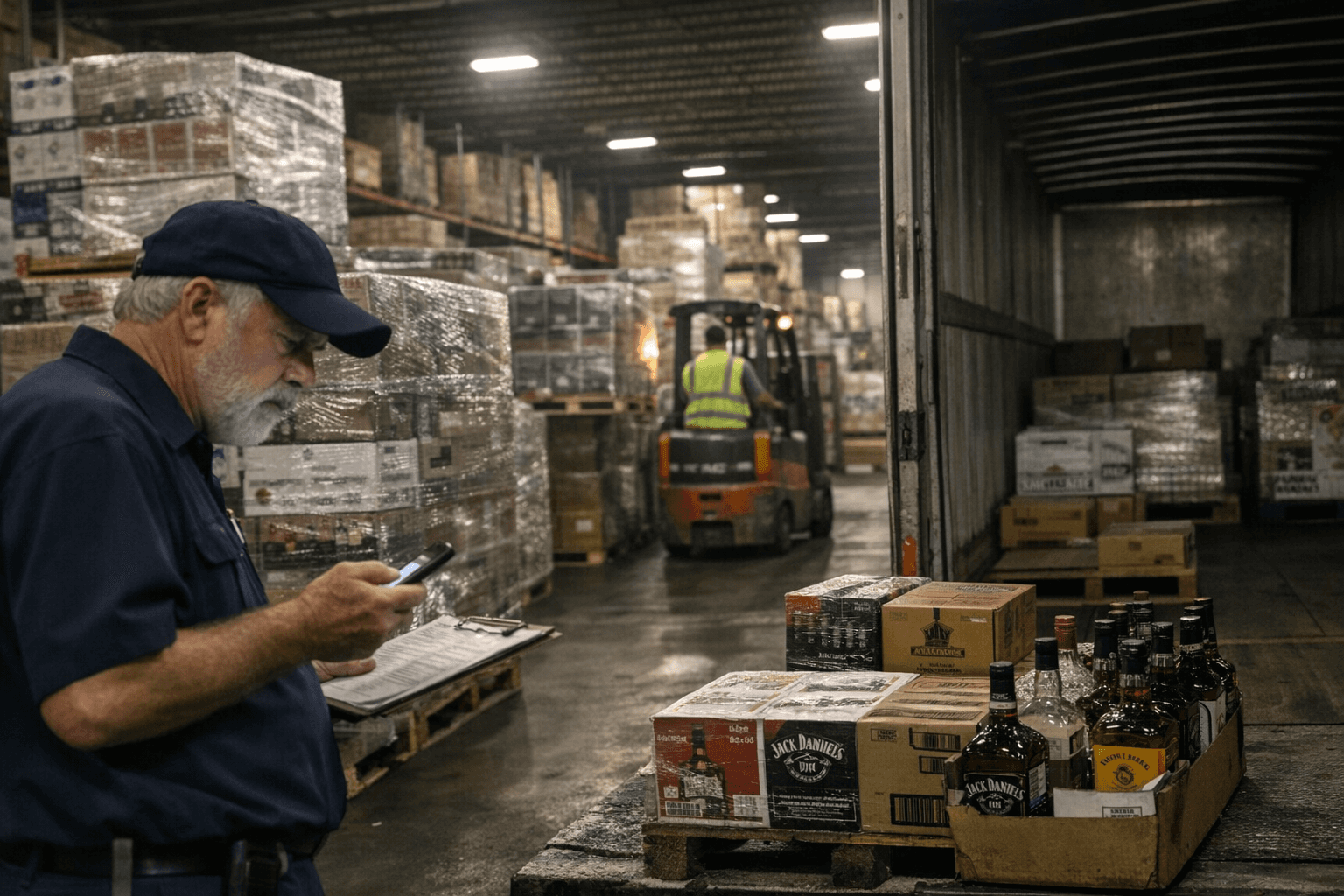
Mississippi’s state-run liquor warehouse overhaul has turned a routine distribution system into a bottleneck for restaurants, bars and retail stores, with more than 172,000 cases still waiting for delivery in mid-April and some orders taking 17 days on average to arrive. The breakdown has rippled across the Mississippi Alcoholic Beverage Control system, where wine and liquor move through a single warehouse controlled by the state Department of Revenue, leaving licensed businesses little choice but to wait.
The disruption began in January, when the 40-year-old warehouse replaced an obsolete conveyor-belt setup with a pallet-based system and new warehouse management software. That switch was supposed to modernize operations, but retailers say the software initially did not mesh smoothly with ordering and shipping, creating a backlog that quickly climbed past 220,000 cases by the week ending March 1. During that same period, the average wait for delivery stretched to 25 days, up from three days for the week ending Jan. 11.
Business owners say the delay has gone beyond inconvenience. Some cases were marked shipped before they actually left the warehouse, and retailers have reported being billed for alcohol that never arrived, squeezing cash flow at package stores, bars, restaurants and casinos across the state. In Jackson, Brandi Carter of Levure Bottle Shop said she has felt helpless as business declines, while Josh Sorrell, who owns Spillway Wine and Spirits in Brandon, said deliveries that once took days were now stretching into weeks and urged Gov. Tate Reeves to declare a state of emergency.
The problem has also sharpened an old argument over whether Mississippi should keep its state-controlled distribution model for most alcohol other than beer and light wine. Lawmakers have debated privatizing distribution for years, but concerns over the state’s alcohol tax stream have kept the system intact. Mississippi collects about $120 million a year in alcohol taxes, money that gives the warehouse failure broader fiscal stakes than a delayed shipment list.
The Legislature has already authorized borrowing $95 million for a new warehouse expected to begin operations in 2027, but relief is not immediate. A temporary emergency bill that would have let businesses bypass the ABC warehouse and buy directly from distributors died in the recently ended session, leaving retailers dependent on a system still working through the fallout. At least four Mississippi businesses are also suing warehouse operator Ruan Transportation, accusing it of breach of contract and harm to their businesses. The dispute now centers on who will pay for a state monopoly’s failure: the operator, the agency, or the businesses forced to absorb the delay.
This article was produced by Prism’s automated news system from verified source data, official records, and press releases, then run through automated quality and moderation checks before publishing. The system is built and supervised by the people who set the standards it runs under. Read our full AI policy.
Did this article answer your question?

