Mixed Q4 bank results split markets as wealth and trading outperform
Major banks posted uneven Q4 results, with wealth and trading strength offset by mortgage weakness and investor caution.
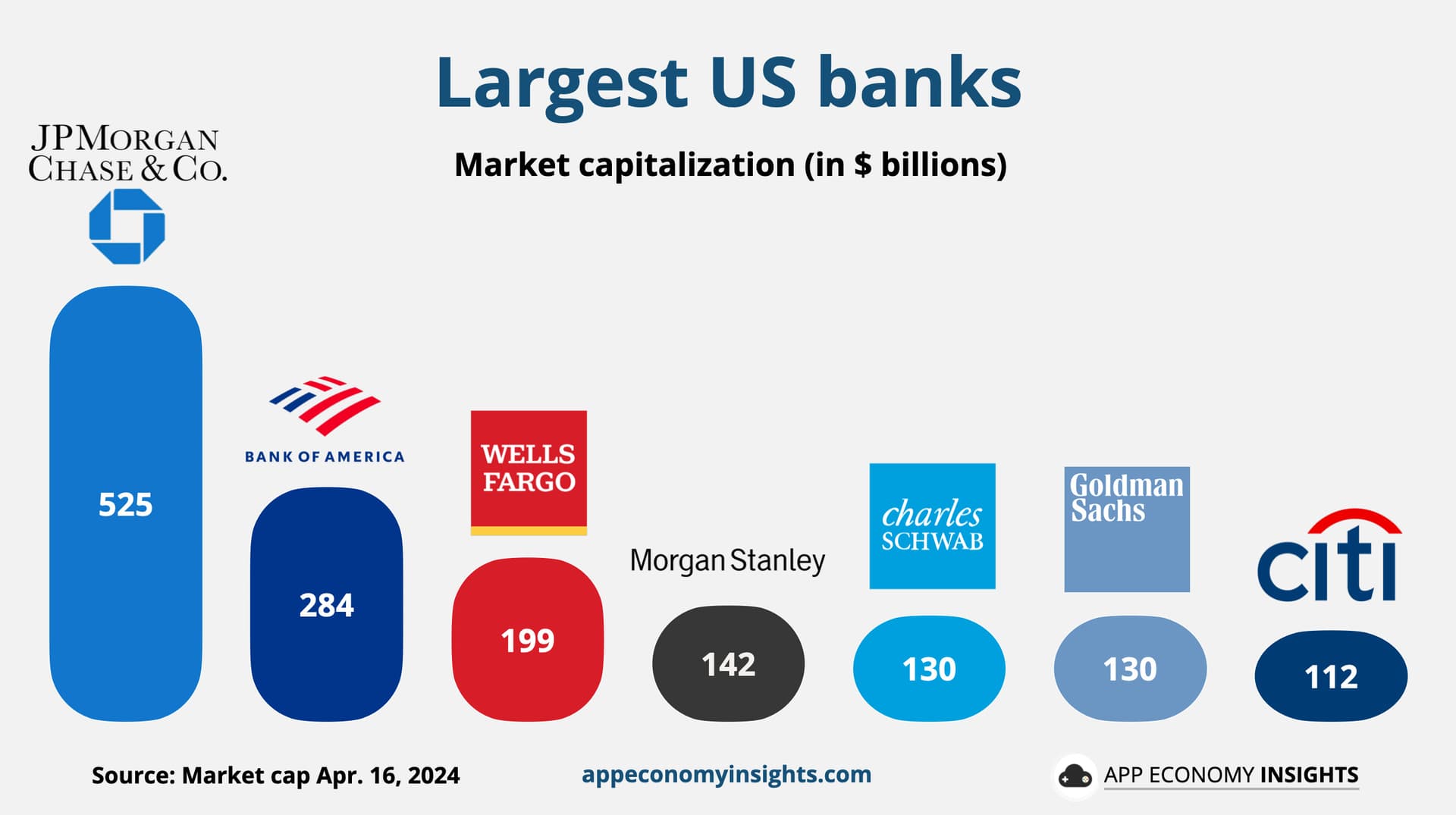
Major U.S. banks and asset managers delivered a mixed set of fourth-quarter 2025 results that split Wall Street between firms tied to wealth and capital markets and broad-based lenders facing mortgage and expense headwinds. The reports, which helped kick off the U.S. earnings season, left investors parsing whether gains reflected durable fundamentals or short-term dealmaking windfalls.
Equity markets moved higher even as several big-bank stocks fell. The Dow Jones Industrial Average rose 292.81 points to 49,442.44, the S&P 500 gained 17.87 points to 6,944.47 and the Nasdaq Composite added 58.27 points to 23,530.02 on the day. At the same time, trading data showed Wells Fargo shares fell about 5%, while Bank of America and JPMorgan each declined roughly 4% amid investor disappointment. Citigroup, Bank of America and Wells Fargo were down about 5% at one point. By contrast, Goldman Sachs rose about 4.6% and Morgan Stanley gained roughly 5.8% after reporting stronger dealmaking-driven profits.
Bank of America’s wealth-management division emerged as a standout. The unit reported fourth-quarter net income of $1.4 billion, up 20% year over year, and held more than $2.2 trillion in assets under management, a 16% increase for the quarter. The bank said the wealth unit added roughly 21,300 net new client relationships during the year and produced total revenue above $6.6 billion, driven by higher asset-management fees. At the parent level, Bank of America reported net income of $7.6 billion and diluted earnings per share of $0.98, an 18% increase from a year earlier.
Results at broader lenders were more uneven. Wells Fargo reported quarterly net income of $5.4 billion, or $1.62 per diluted share, but its results were viewed as falling short of expectations, and the bank cited persistent mortgage lending weakness in a slow housing market. JPMorgan showed better revenue but lower-than-expected profits, leaving investors to weigh its underlying momentum. Citigroup largely topped estimates on several metrics but continued to contend with stubborn expenses and operational headwinds.

Investment banks and wealth-focused firms fared comparatively well as trading floors and deal activity picked up. Goldman Sachs and Morgan Stanley both reported quarterly profit rises tied to advisory and capital-markets activity, boosting their shares. Firms with strong ties to wealthy and corporate clients benefited from a flurry of dealmaking that offset weakness in other banking businesses.
Several cross-cutting themes emerged. Mortgage rates stayed above 6% through the quarter, keeping mortgage originations and homebuilding under pressure and disproportionately affecting banks with large retail-lending franchises. Costs and operational issues remained a drag at some institutions, and investor attention also turned to political and regulatory risks, including a presidential proposal to cap credit-card APRs at 10% for one year and scrutiny aimed at senior policymakers, which together added an overhang for lenders.
Analysts said the early results would help set the tone for a broader earnings season in which questions about loan demand, AI-driven efficiency gains, and regulatory developments would determine whether recent market gains proved sustainable. For now, the quarter underscored a bifurcated financial sector: wealth and capital-markets franchises buoyed some names, while mortgage and expense pressures left others vulnerable.
This article was produced by Prism’s automated news system from verified source data, official records, and press releases, then run through automated quality and moderation checks before publishing. The system is built and supervised by the people who set the standards it runs under. Read our full AI policy.
Did this article answer your question?

