MLK Weekend in Wake County: Service, Marches, Arts and Family Events
Wake County communities marked MLK Weekend with service projects, marches, arts and family programs that mobilized volunteers and highlighted local needs in food access, youth services and cultural equity.
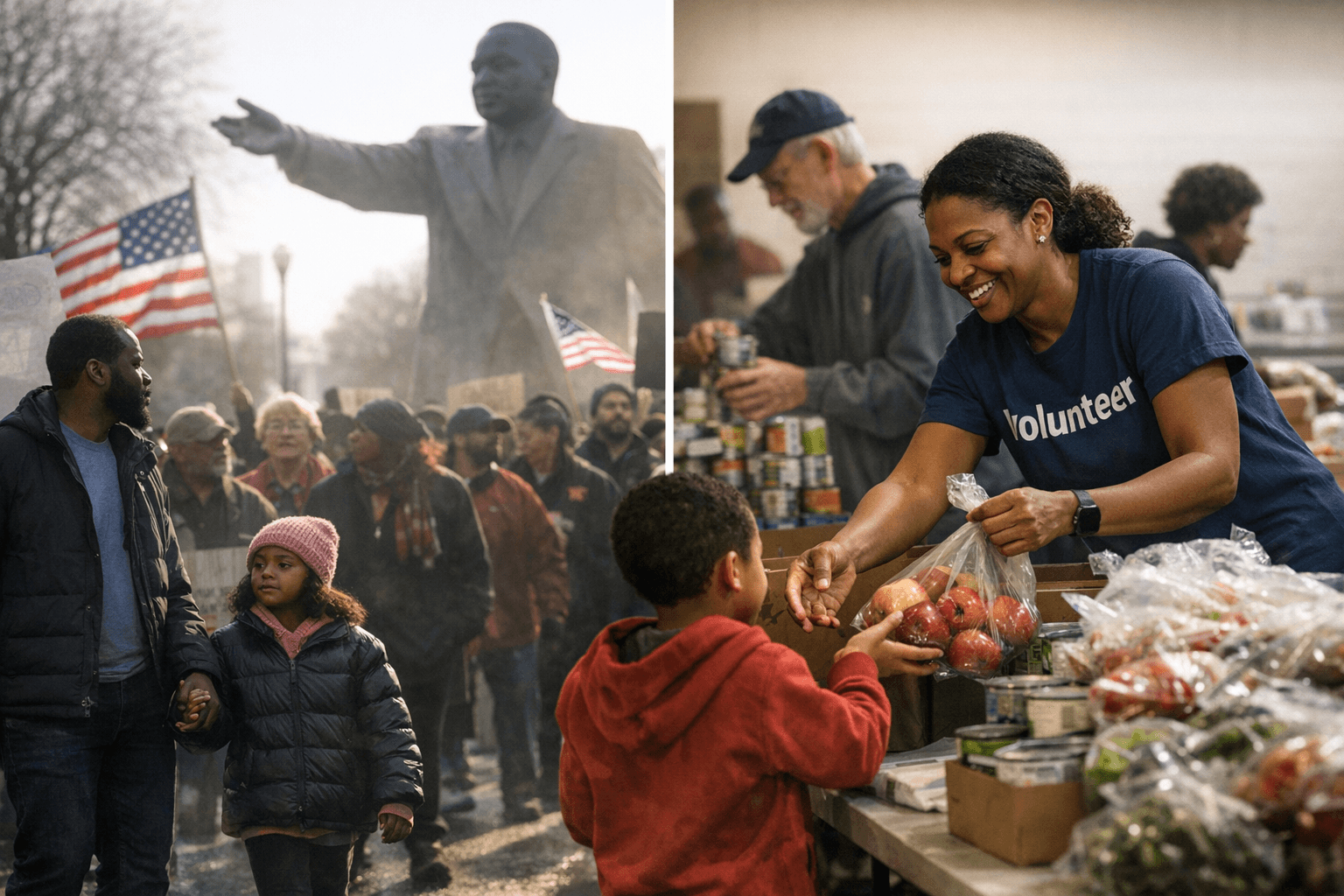
Thousands of residents across the Triangle moved from marches to service this past weekend as Wake County communities held a range of events honoring the legacy of Dr. Martin Luther King Jr. The programming combined volunteerism, cultural celebration and family-oriented activities, drawing attention to community needs and opportunities for civic engagement.
Apex staged a multi-day MLK Weekend that included a National Day of Service, a unity march, a community breakfast reception and a Black authors exhibit. Organizers said the lineup aimed to pair remembrance with action, using volunteer projects and cultural programming to build local networks and spotlight Black literary voices.
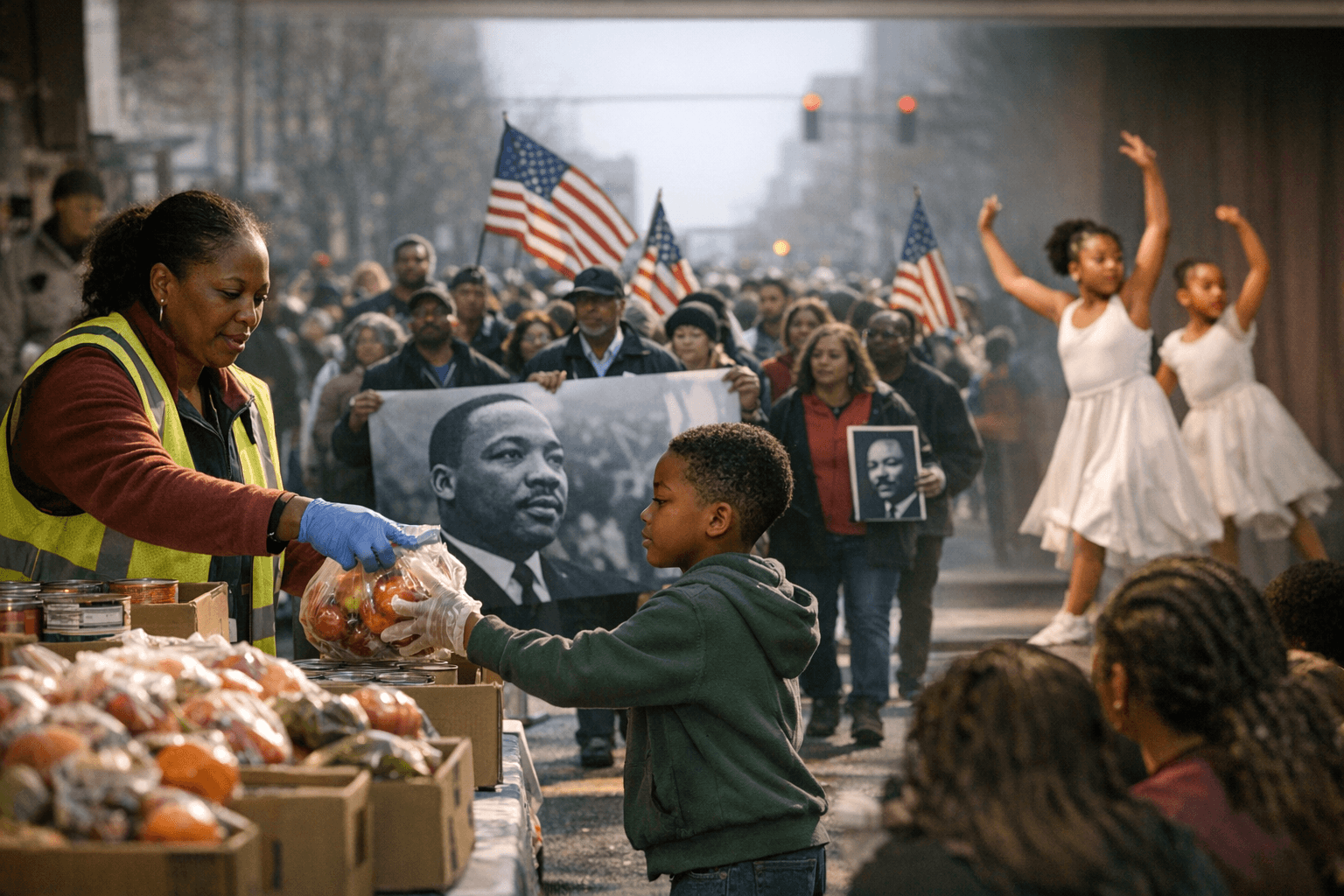
Cary’s Dreamfest filled downtown venues with film screenings, children’s programs and cultural arts events. The festival provided spaces for youth engagement and cross-generational arts participation, bringing families into the civic center of Cary and expanding access to cultural programming within the downtown corridor.
In Raleigh, King Day programming at John Chavis Memorial Park combined service opportunities with activities geared toward families. The park, long used as a community gathering spot, served as a focal point for local groups to translate commemoration into hands-on projects and intergenerational learning.
Garner observed an MLK celebration and a Unity Walk at the Garner Performing Arts Center on Jan 18; attendees were asked to bring nonperishable food donations. That emphasis on food collection underlined a persistent local concern: food insecurity remains a public health and social equity issue across Wake County neighborhoods. Community drives like Garner’s offer immediate relief while also exposing gaps in the county’s social safety net.
Collectively, the weekend’s events showcased how cultural expression, volunteer service and youth programming intersect with broader public health and policy priorities. Volunteer-led food drives and service projects address urgent needs but also point to systemic drivers of health inequities — income, housing stability, and access to childcare and educational enrichment. Local arts events increase social cohesion and mental well-being, yet equitable funding and sustained access remain challenges for underserved neighborhoods.
For residents, the weekend reinforced practical pathways to stay involved beyond a single holiday: volunteering at food distributions, supporting local arts organizations, and pressing for policy solutions that tie community services to broader health equity goals. As Wake County moves forward, advocates say translating weekend energy into sustained investment will determine whether these annual observances produce lasting change.
Sources:
Know something we missed? Have a correction or additional information?
Submit a Tip