Raleigh Army veteran killed after stopping to help crash victims in Utah
A Raleigh Army veteran, Jenna Guerra, died after stopping to help crash victims in Utah; her death highlights roadside safety risks and the strain on families and veteran supports.
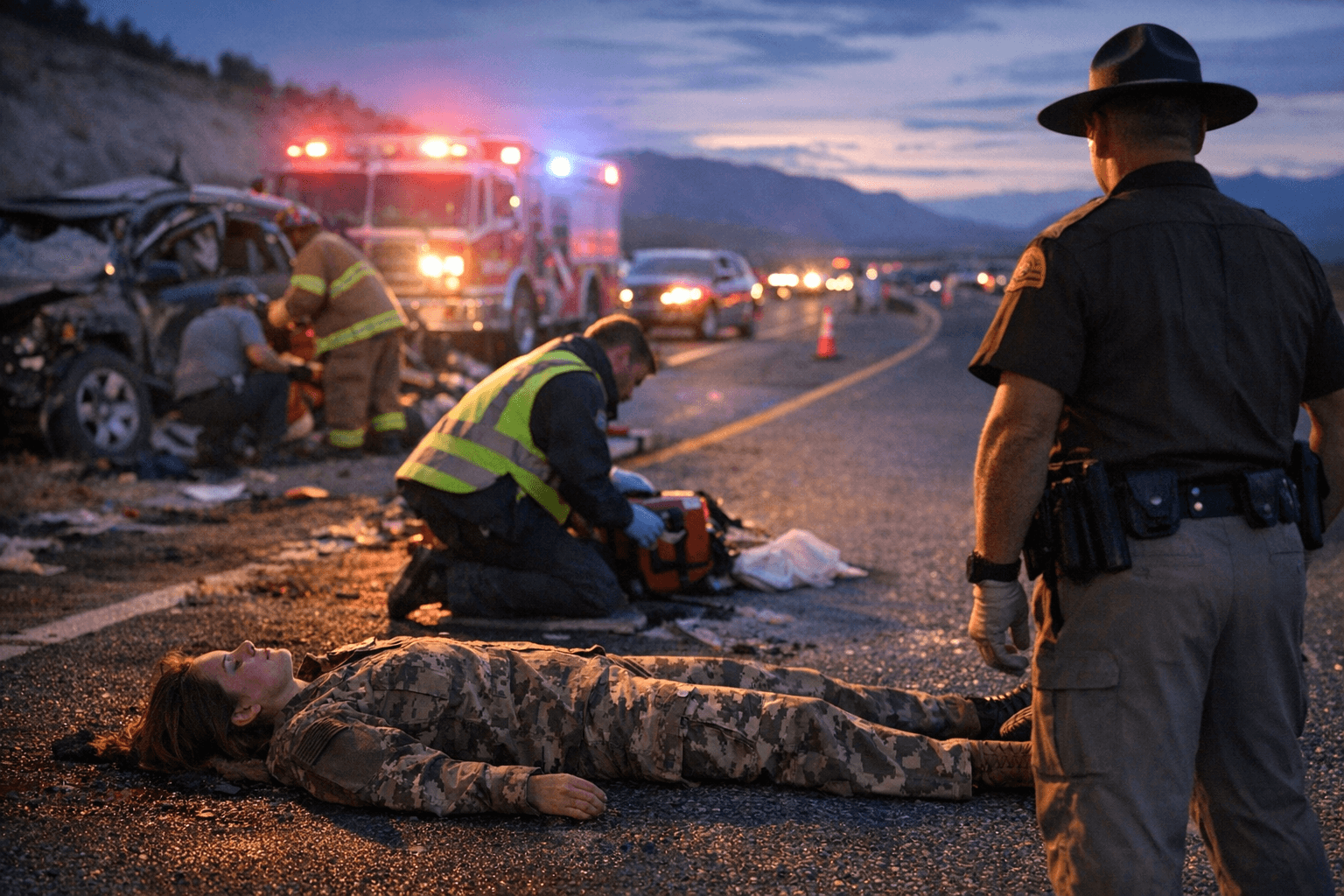
Jenna Guerra, a Raleigh mother and Army veteran, died after stopping to assist crash victims on a bridge in Morgan County, Utah. Guerra fell while offering help and sustained fatal injuries, authorities reported; she died on Jan. 9. The Utah Highway Patrol investigated the crash scene, and friends in Raleigh have launched a GoFundMe to cover funeral and transport expenses.
Guerra served in the Army as a dental technician and a geospatial analyst. She was a parent to two teenagers and known to friends and family as someone who would stop to help strangers in need. The sudden loss has reverberated through Wake County’s veteran community and among parents and neighbors who identify with the dual pressures of service life and family care.
The immediate facts matter for public health and community safety. Bystander assistance at crash scenes can save lives, but it can also expose well-meaning Good Samaritans to hazards - uneven surfaces, vehicle movement, and limited visibility on bridges and rural highways. Emergency response in less populated areas like Morgan County often involves longer travel times, increasing the window in which bystanders are the first on scene. For local residents, this underlines the value of basic first-aid and scene-safety training, and of driving with caution near accidents.
Guerra’s death also highlights financial and social strains families face after sudden fatalities. Friends organizing a fundraiser to cover transport and funeral costs reflect a common reality: unexpected expenses can overwhelm households, especially those with children. For Wake County residents, the case draws attention to gaps in social safety nets for military families and veterans - from emergency financial assistance to bereavement and mental health services.
Policy implications extend beyond individual tragedy. County and state leaders can examine support systems for bystanders who are injured while helping others, evaluate public education on roadside safety, and assess resources for rapid response on rural stretches of interstate. Local veteran service organizations and health providers play a key role in outreach to families coping with loss; strengthening those connections can reduce the long-term health and economic impacts on children and surviving caregivers.
For Raleigh neighbors, the immediate way to respond is through community solidarity: checking in on local veterans and military families, ensuring access to counseling and emergency financial support, and encouraging readiness skills such as first aid and safe-scene practices. The fundraiser organized by Guerra’s friends aims to ease funeral and transport burdens; more broadly, the community can push for better systems that protect both crash victims and the people who stop to help them.
Sources:
Know something we missed? Have a correction or additional information?
Submit a Tip