MLP 2026: Single-Draft Rosters, Flexible Lineups, 12-Team Playoffs
MLP unveiled 2026 rules: a return to single-draft six-player rosters, flexible multi-player lineups, a two-group regular season with seeded Sundays, and a 12-team, three-week playoff field.
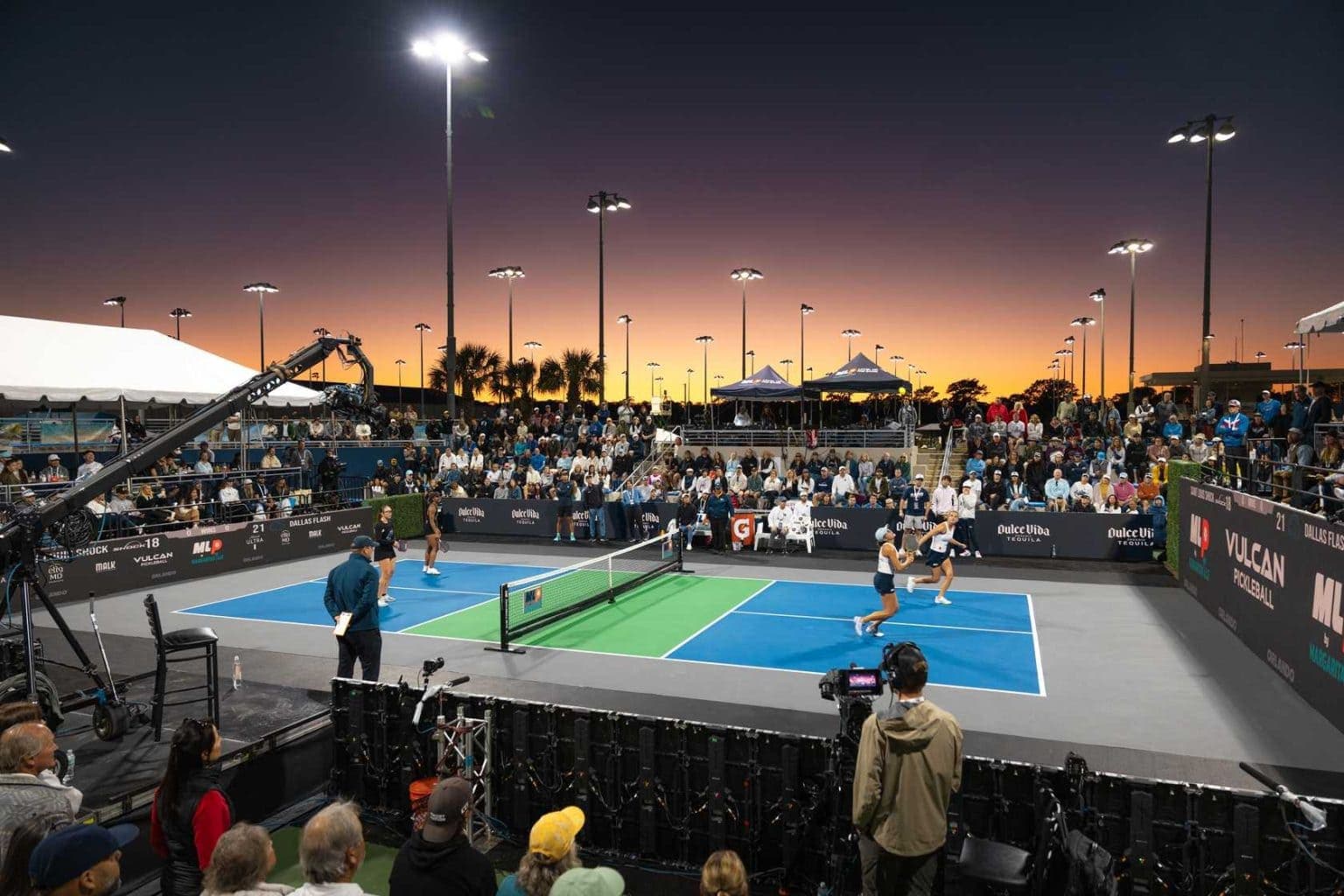
Major League Pickleball presented by DoorDash unveiled a suite of rule and format changes for its 2026 season that aim to sharpen competition, deepen roster strategy, and boost fan engagement across its event weekends. The headline moves are a return to a single-draft Premier Free Agency where teams will draft full six-player rosters, clarified lineup rules that allow teams to use more than four players in a match, a reworked regular-season event format based on two groups of five teams, and an expanded 12-team playoff spanning three weeks.
At the top, the single-draft format ups the ante on roster construction. With full six-player rosters selected at draft, teams must balance star power with depth and role players who can shift momentum. That stability should help franchises plan marketing and local engagement while building chemistry across doubles and specialist pairings. For players, the single-draft restores clearer pathways and bargaining leverage, which could raise the commercial value of marquee names and specialists alike.
Lineup flexibility is a tactical game-changer. Teams may now submit starting lineups that use more than four players in a match, and the league clarified how DreamBreaker™ selections interact with those lineups. The change rewards coaching creativity and roster depth, letting squads deploy specialists for specific matchups and manage workloads across compact event weekends. Expect more rotation, strategic substitutions, and heavier use of doubles specialists to exploit matchup advantages without burning out top performers.
The regular-season event format also shifts the competitive landscape. Events will stage two groups of five teams, with group play running Thursday to Saturday and Sunday reserved for seeded matches that award standings points. The standings points system has been codified, with placements following a 25-18-15 pattern and continuing down the table. This structure creates clearer incentives across the weekend: early group wins matter for seeding and Sunday’s high-stakes point opportunities, which should increase drama and viewership through the final session.
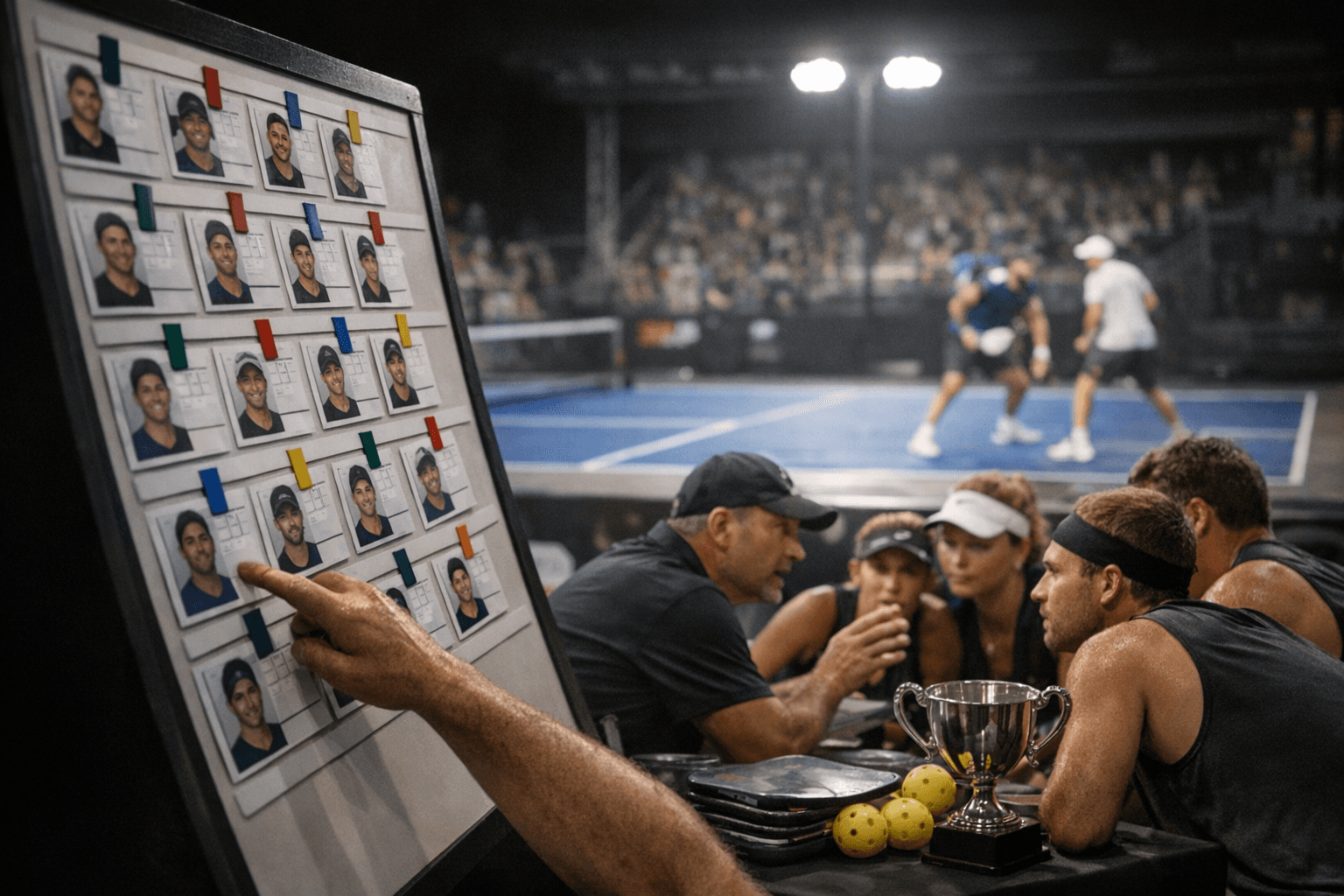
Expanding the playoffs to 12 teams over three weeks broadens the postseason narrative and commercial runway. More playoff spots mean more markets remain engaged later into the season, improving ticket sales, local sponsor activations, and broadcast inventory. A three-week bracket also gives networks and partners a longer story to tell, and it affords players more postseason exposure that can convert to higher personal endorsements and regional growth.
For the Asian pickleball community, these adjustments carry particular weight. Deeper rosters and longer playoff coverage create more roster spots for regional talent and more marquee events to attract fans and sponsors across the continent. Tactically, coaches will need to master rotation, DreamBreaker strategies, and seeding math to navigate the condensed weekend format.
MLP’s 2026 changes recalibrate the league toward sustained competition and commercial scalability while giving coaches and players new levers to shape matches. Fans can expect more strategy on court, prolonged playoff narratives, and clearer stakes on seeded Sundays as the season unfolds.
Sources:
Know something we missed? Have a correction or additional information?
Submit a Tip