Moderna, Merck cancer vaccine shows durable melanoma benefit after five years
Five-year follow-up showed Moderna and Merck’s personalized melanoma vaccine cut recurrence or death by 49%, with survival still higher than Keytruda alone.

Moderna and Merck said their personalized cancer vaccine paired with Keytruda kept showing a durable benefit five years after treatment in patients with high-risk melanoma, a sign that the early promise has not faded with time. In the phase 2b KEYNOTE-942 study, the combination cut the risk of recurrence or death by 49%, with a hazard ratio of 0.510, a result that matters because post-surgery melanoma therapy has to do more than produce a short-lived immune response.
The trial tested intismeran autogene, Moderna’s experimental mRNA vaccine, together with Merck’s pembrolizumab in patients who had undergone complete resection for high-risk stage III or IV melanoma. Five-year overall survival was 92.2% in the combination arm versus 71.3% with Keytruda alone, according to the companies’ update. Earlier three-year data presented in 2024 had already shown the same 49% reduction in recurrence or death, so the new readout extends an encouraging signal rather than replacing it.
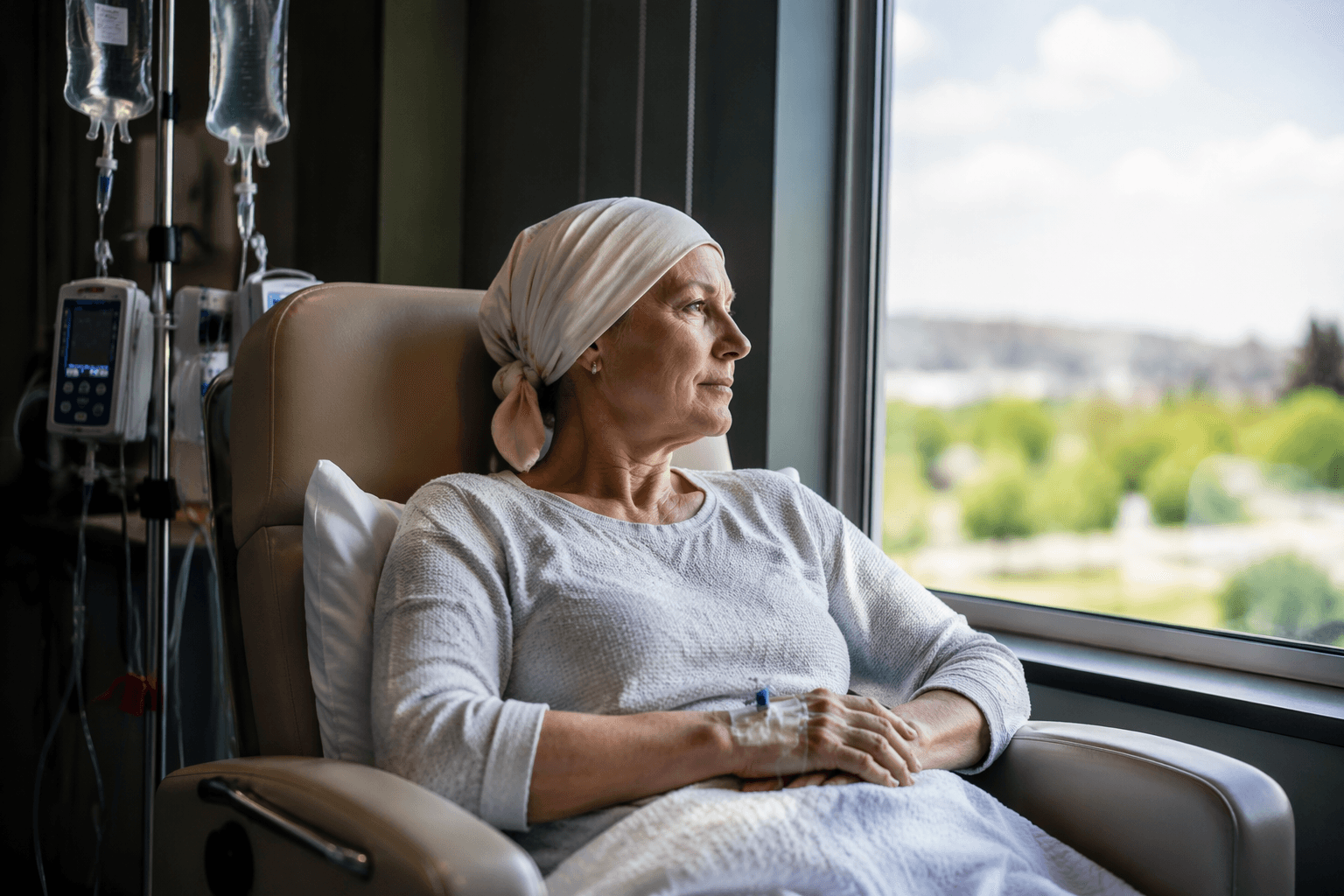
The study was a randomized, open-label phase 2b trial that began on July 18, 2019. Moderna and Merck said the five-year analysis was preplanned, and Moderna said the safety profile remained consistent, with no new or unexpected toxicities identified during follow-up. That matters for melanoma patients who have already been through surgery and then face the anxiety of recurrence, because durable benefit without new late safety concerns is the kind of evidence oncologists need before a personalized therapy can move any closer to routine care.
The hurdle is scale, not just science. Phase 2 data can sharpen confidence, but they do not establish a new standard of care on their own, and the treatment is still a customized vaccine built around a patient’s tumor neoantigens. If later-stage studies confirm the benefit, access will depend on manufacturing capacity, insurance coverage, and whether advanced cancer centers can deliver a therapy that is both individualized and practical for patients outside the best-resourced institutions.
Moderna said the result is part of a broader oncology push that now includes eight phase 2 and phase 3 studies across multiple tumor types, including melanoma, non-small cell lung cancer, bladder cancer and renal cell carcinoma. The companies will put the KEYNOTE-942 update in front of oncologists at the American Society of Clinical Oncology meeting in Chicago, where an oral presentation is scheduled for June 1 from 8 a.m. to 11 a.m. Central time. For now, the message is measured but important: a personalized mRNA cancer vaccine has held up over five years, and that durability is what could eventually separate a promising experiment from a treatment that changes care.
This article was produced by Prism’s automated news system from verified source data, official records, and press releases, then run through automated quality and moderation checks before publishing. The system is built and supervised by the people who set the standards it runs under. Read our full AI policy.
Did this article answer your question?