Modi urges austerity, public transport use to curb fuel imports, save forex
Modi asked Indians to cut fuel use, skip non-essential foreign travel and delay gold buys for a year as reserves slipped from a record high.
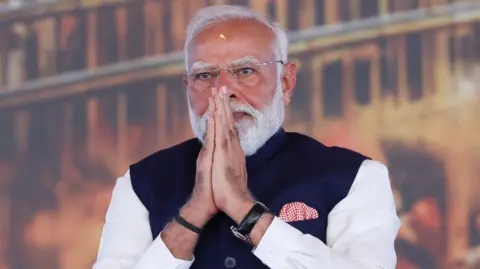
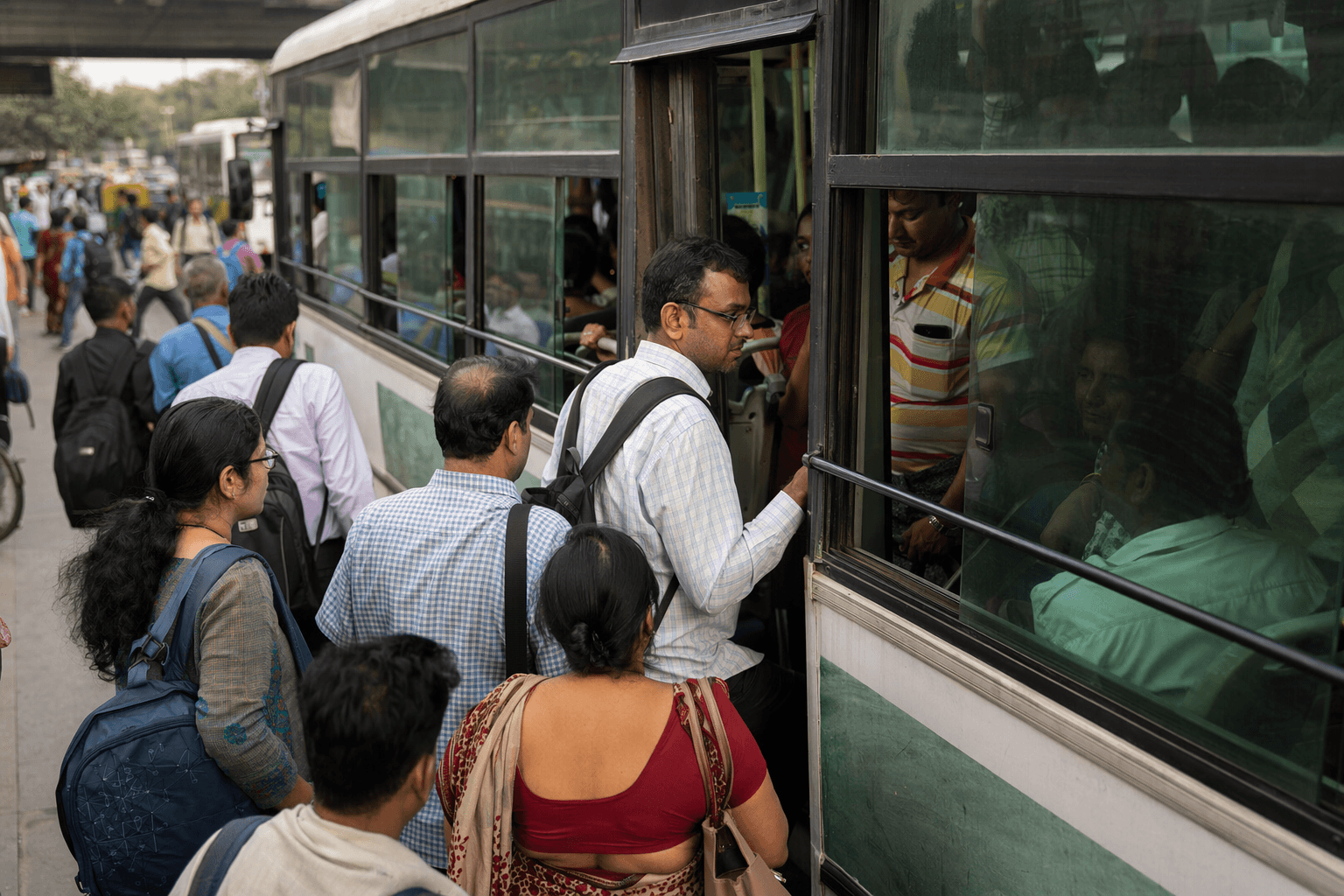
Prime Minister Narendra Modi turned a public meeting in Hyderabad into a call for household-level austerity, urging Indians to cut petrol and diesel use, conserve foreign exchange and treat the country’s energy squeeze as a shared sacrifice. He asked people to use public transport, carpool, switch to electric vehicles, revive work-from-home and virtual meetings, and avoid non-essential foreign travel and gold purchases for a year.
The appeal, delivered in Telangana on May 10, came as the wider West Asia crisis fed worries over global energy prices and India’s import bill. Modi said the measures would reduce dependence on petrol and diesel and, in turn, help save foreign currency. Framed that way, the message landed as more than a fuel-saving pitch. It placed the burden of restraint on commuters, office workers and families making discretionary spending decisions, while linking private behavior directly to national resilience.
Opposition parties moved quickly to cast the appeal as an admission of strain. Congress, Shiv Sena (UBT) and the Trinamool Congress accused the government of policy failure, arguing that the public was being asked to absorb the consequences of a deeper economic problem. Rahul Gandhi called the appeal a “proof of failure” and questioned why the public should be told to make sacrifices instead of the government explaining the situation to Parliament.
The backdrop helps explain why the message carried such force. Reuters reporting cited in later coverage said India’s crude oil imports fell 13% in March from pre-war February levels after conflict involving Iran disrupted Middle East shipments through the Strait of Hormuz. The same report said half of India’s March crude imports came from Russia, underscoring how quickly the country has been forced to reshape its supply mix.
Foreign exchange data show the pressure point Modi was trying to address. Reserve Bank of India figures put reserves at $690.693 billion for the week ended May 1, 2026, down from an all-time high of $728.5 billion in late February. That decline gives the government a concrete reason to press for lower import-linked spending, even if the appeal also reads as a test of how much sacrifice the public will accept when a distant conflict reaches Indian wallets through fuel, travel and gold.
Know something we missed? Have a correction or additional information?
Submit a Tip