Booker says Supreme Court ruling sends Voting Rights Act backwards in time
Booker said the Louisiana ruling pushes voting rights “backwards in time,” as the Court narrowed Section 2 and sped up a new map for 2026.
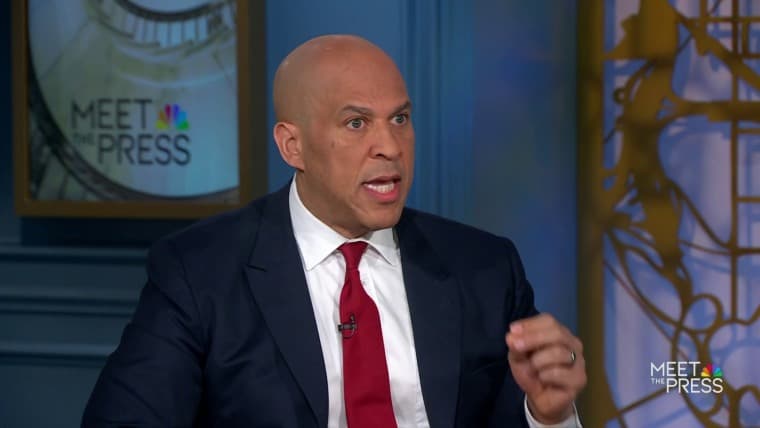
Sen. Cory Booker said the Supreme Court’s ruling in Louisiana v. Callais moved the country "backwards in time," casting the decision as a sharp setback for voting-rights enforcement just as Louisiana prepares to redraw its congressional map for the 2026 elections.
Speaking on NBC’s Meet the Press with Kristen Welker, the New Jersey Democrat said the court was "profoundly hypocritical" and argued that it "desperately needs reform." Booker has long pushed for Supreme Court term limits and tougher ethics rules, and he said the ruling should force Democrats to treat court overhaul as a movement-election issue if they return to power.
The 6-3 decision, issued April 29, held that Louisiana’s new congressional map was an unconstitutional racial gerrymander and said Section 2 of the Voting Rights Act did not require the state to create an additional majority-Black district. That matters far beyond Louisiana because Section 2 has been one of the main legal tools used to challenge maps that dilute minority voting strength. In practical terms, the ruling makes it harder for plaintiffs to force states to add districts where Black voters can elect candidates of their choice, even when earlier maps have been found likely to fall short of the law.
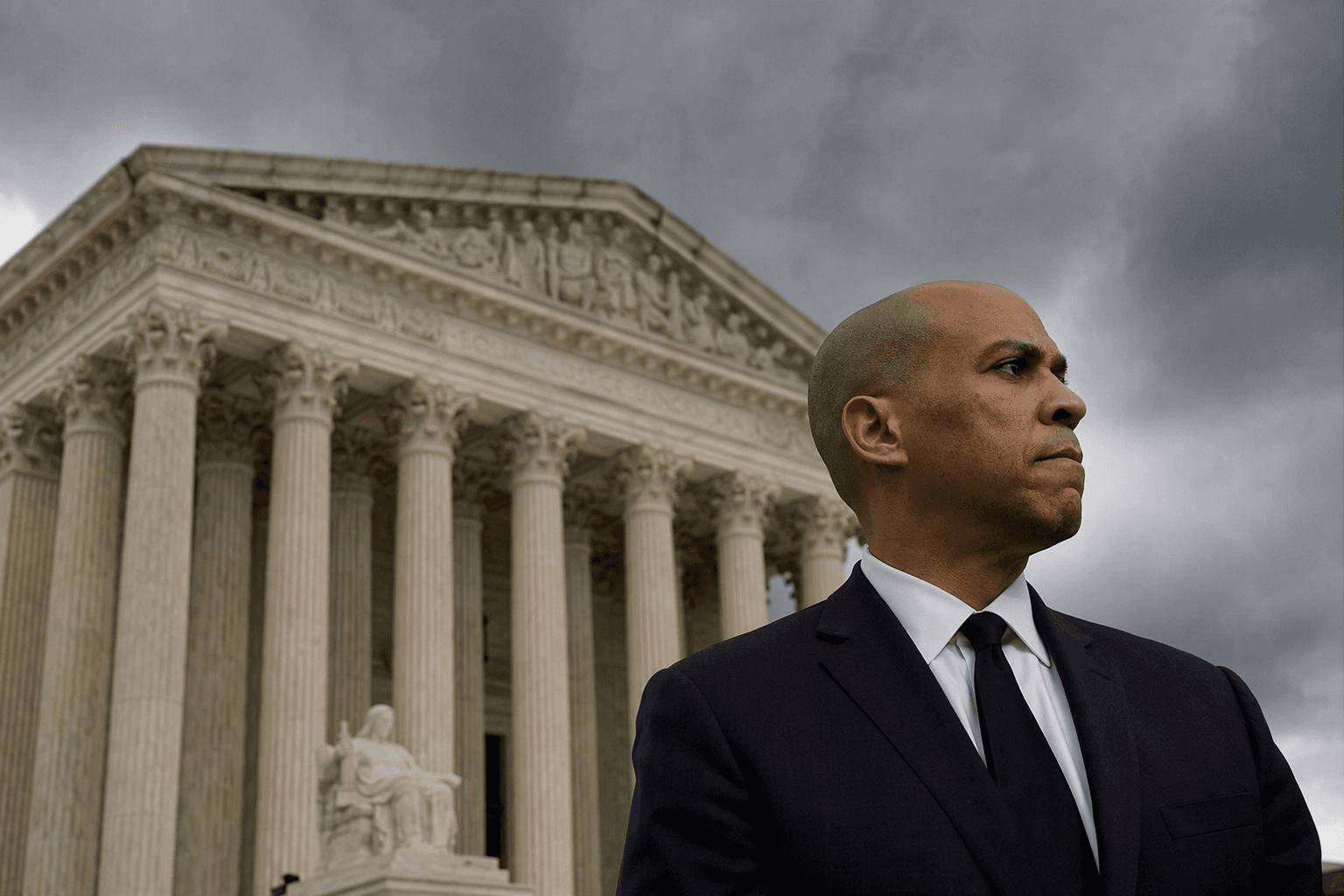
The court’s ruling also accelerated Louisiana’s next move. By allowing the decision to take effect immediately, the justices cleared the way for state officials to move faster on a new map ahead of the 2026 elections. That leaves the Louisiana legislature with a compressed timeline and raises the stakes in a state where a 2022 federal court ruling in Robinson v. Ardoin had already found the earlier map likely violated Section 2 because it lacked an additional majority-Black district.
Civil-rights advocates say the consequences could reach well beyond Louisiana, including other Southern states where Black voters and language-minority communities still rely on the Voting Rights Act to challenge district lines. The law, enacted in 1965, was designed to stop discriminatory voting practices and protect voters of color and language minorities. Booker’s warning reflected a larger fear among voting-rights lawyers and election-law scholars: that decades of Supreme Court decisions have steadily narrowed a once-broad enforcement regime, leaving fewer protections and fewer remedies when district maps weaken minority voting power.
This article was produced by Prism’s automated news system from verified source data, official records, and press releases, then run through automated quality and moderation checks before publishing. The system is built and supervised by the people who set the standards it runs under. Read our full AI policy.
Did this article answer your question?

