MOL gets more time to negotiate purchase of Russian stake in Serbia’s NIS
MOL won until June 16 to keep talks alive on buying Gazprom Neft’s NIS stake, as Serbia’s key refinery stayed trapped in U.S. sanctions pressure.
MOL has won more time from Washington to pursue a deal that could reshape Serbia’s most important fuel company, but the extension also underscored how tightly NIS remains bound to U.S. sanctions on Russian energy assets. The Hungarian group said it could continue negotiating for Gazprom Neft’s 56.15% stake in NIS until June 16, a crucial window for a refinery operator central to Serbia’s fuel supply.
The latest license pushed back a June 6 deadline and gave MOL room to finalize transaction documentation after saying negotiations had progressed materially. MOL had asked the U.S. Office of Foreign Assets Control for 30 extra days, while Serbia’s energy minister, Dubravka Djedović Handanović, said NIS itself would seek an extension to its operating licence, which also expires on June 16.
MOL signed a binding Heads of Agreement with Gazprom Neft on January 19 to acquire the stake, but said the transaction still depended on OFAC approval and other Serbian governmental approvals. The company had originally aimed to sign the sales and purchase agreement by March 31, and it has also been in talks with ADNOC about the United Arab Emirates company joining as a minority shareholder while MOL retains majority control. That structure suggests a geopolitical workaround as much as a commercial acquisition: a way to shift the asset away from Russian ownership without disrupting the regional fuel chain that still depends on it.
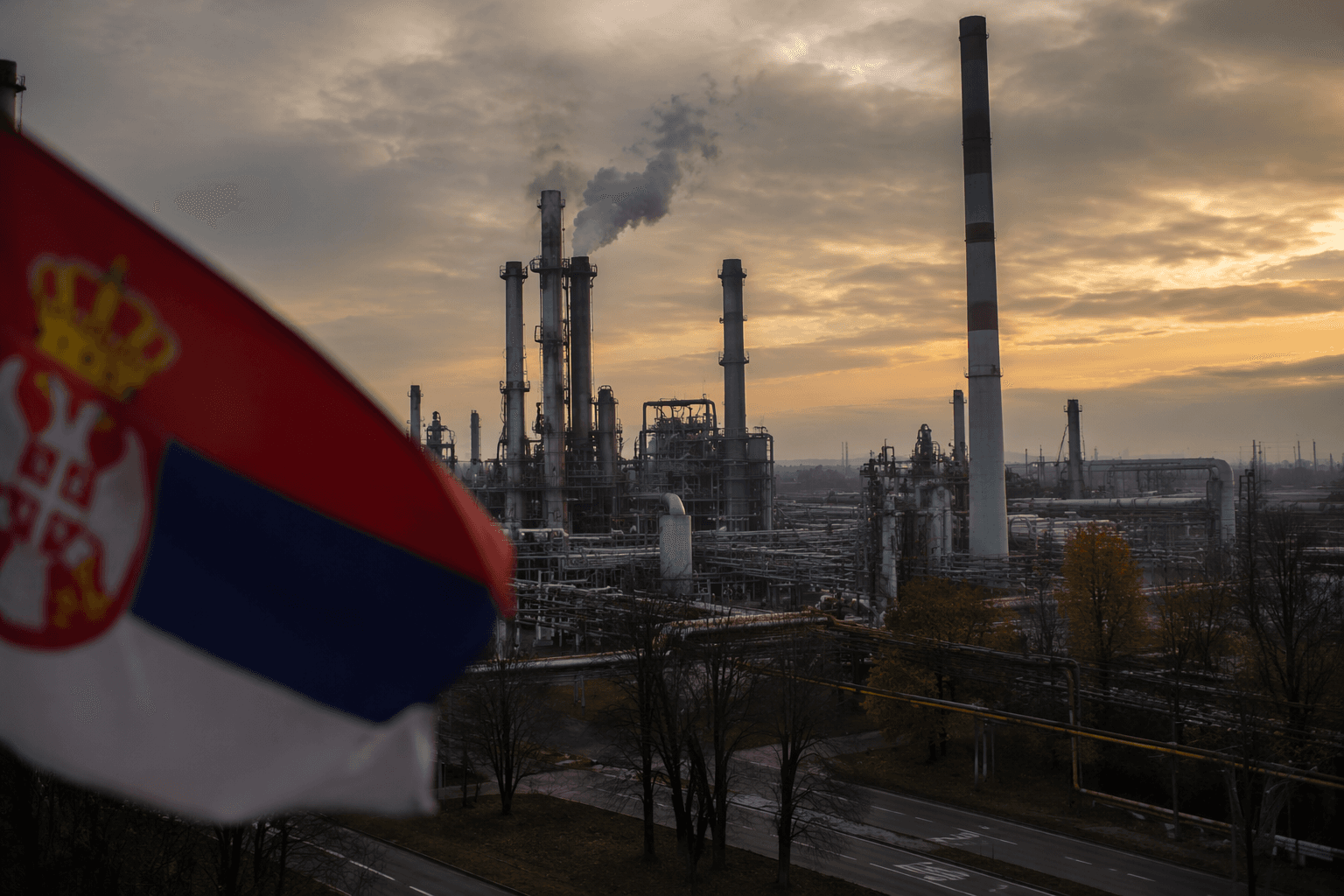
NIS is not a marginal prize. It supplies about 80% of Serbia’s fuel market, controls roughly half of the retail segment, operates Serbia’s only refinery in Pančevo, and runs 388 active retail sites, 331 of them in Serbia. The company employs more than 13,500 people and one regional analysis estimated that it contributes about €2 billion a year to the Serbian state budget through taxes and fees. For Belgrade, that makes the company a fiscal pillar as well as an energy one.
The pressure has built for more than a year. Washington moved against Russia’s oil sector on January 10, 2025 and initially gave Gazprom Neft 45 days to exit NIS ownership. President Aleksandar Vučić has warned since mid-December 2024 that sanctions on NIS could become unavoidable unless ownership changed, while the Croatian pipeline operator JANAF has said it would stop transporting oil for NIS if restrictions took effect. Serbia has tried to avoid forced renationalisation, but the latest extension showed that the bigger question remains unresolved: whether a sale to MOL would truly reduce Moscow’s leverage, or simply repackage it through a different ownership structure.
This article was produced by Prism’s automated news system from verified source data, official records, and press releases, then run through automated quality and moderation checks before publishing. The system is built and supervised by the people who set the standards it runs under. Read our full AI policy.
Did this article answer your question?


