Molly Jong-Fast Faces Her Mother's Dementia, and a Family Without Easy Healing
Molly Jong-Fast’s memoir rejects a neat Mother’s Day reconciliation, turning her mother’s dementia into a portrait of love, distance, and unfinished repair.
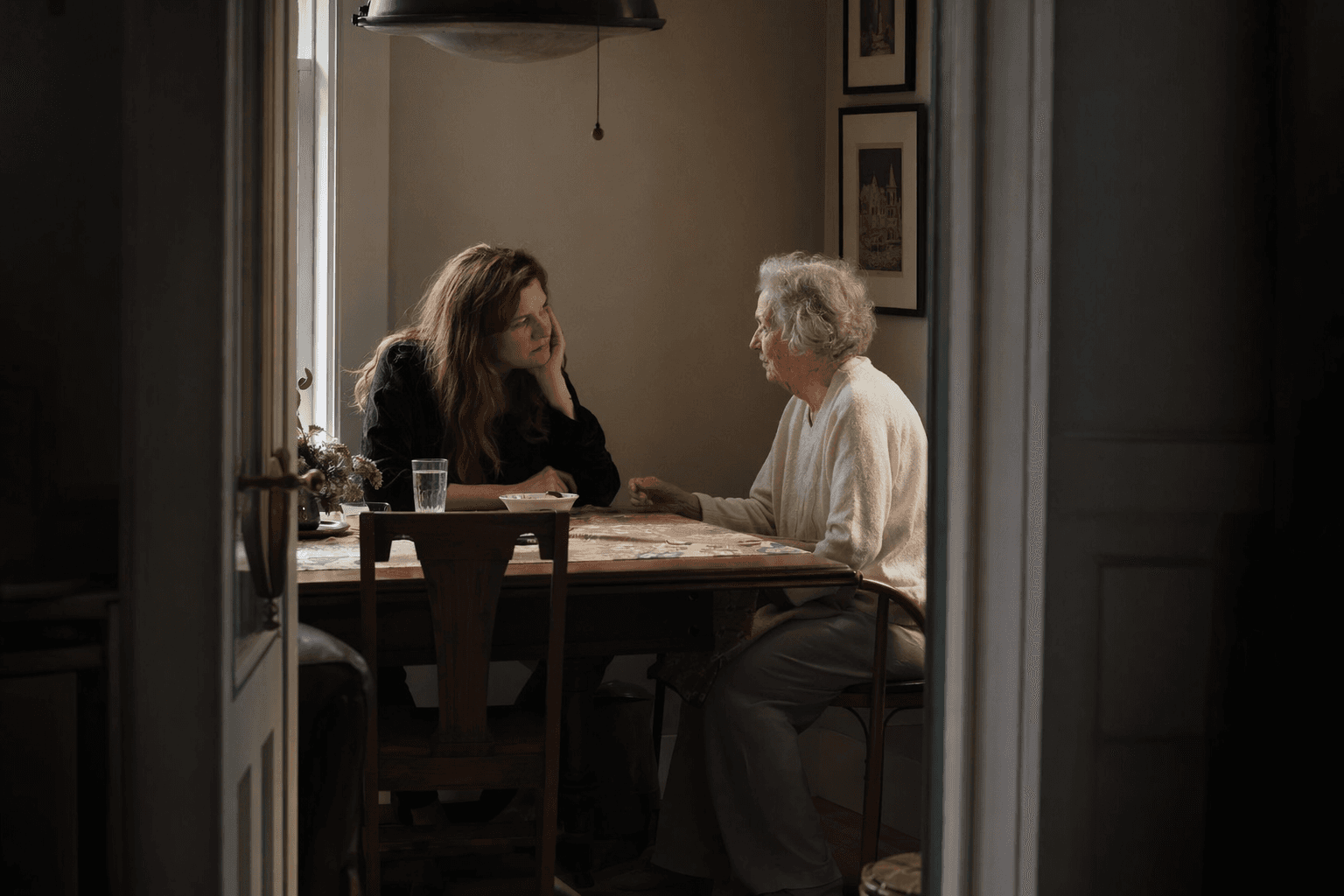
A Mother’s Day story without the usual ending
Molly Jong-Fast’s new memoir lands in a space where sentimental family narratives usually take over, and then refuses to follow them. Instead of offering the comforting arc of late-in-life healing, it places dementia, disappointment, and emotional distance at the center of a mother-daughter relationship that never became easy.
That refusal is what gives the book its force. On a holiday built around gratitude and closeness, Jong-Fast’s story feels more honest because it does not pretend that love automatically produces reconciliation.
The family story behind the memoir
Jong-Fast is the only child of Erica Jong and Jonathan Fast. Born in 1978, she grew up in Manhattan in the long shadow of a mother who was already a public figure, not a private parent. Her memoir, *How to Lose Your Mother*, turns that public-private imbalance into the subject itself, tracing how fame can shape a household as much as it shapes a career.
Erica Jong became a cultural force with her 1973 novel *Fear of Flying*, a breakthrough work of second-wave feminist literature. The book has been described as selling more than 18 million copies worldwide, and some publishers have put the figure closer to 20 million. That scale matters here because Jong-Fast is not just writing about a difficult mother, but about a mother whose name carried outsized cultural weight long before the family relationship was ever fully understood on its own terms.
Dementia, caregiving, and the emotional record
At the center of *How to Lose Your Mother* is Erica Jong’s encroaching dementia. Coverage of the memoir presents Jong-Fast not as someone retroactively settling scores, but as someone trying to account for what it means to care for a parent who is changing in front of you while the old injuries remain intact.
That is part of why the book lands as more than a celebrity memoir. It becomes a record of caregiving under strain, where memory is unstable and affection does not erase neglect. Jong-Fast has said in interview coverage that she knew her mother loved her, but that Erica Jong never seemed particularly interested in her, a distinction that cuts to the heart of the memoir’s emotional logic.
A hard year made harder
The memoir also places family crisis inside a difficult 2023. According to coverage of the book, that year brought two major burdens at once: Erica Jong and Jong-Fast’s stepfather had to be moved into assisted living, and Jong-Fast’s husband, Matt, was diagnosed with cancer. The result is a story of overlapping care obligations, where one generation’s decline and another’s illness collide in the same household orbit.
That detail changes how the memoir should be read. It is not only about looking back at an imperfect childhood, but about what happens when adult children are forced to manage multiple emergencies at once, with no clean separation between the personal and the practical. The emotional weight comes from accumulation, not revelation.
Why the book resists a reconciliation script
Many family memoirs move toward a final embrace, a last conversation, or a tidy acceptance that redemptive love can smooth over old harm. Jong-Fast’s book does not appear interested in that script. The governing insight is simpler and less comforting: a parent can be loved, can even love back, and still remain emotionally unavailable.
That is why the memoir’s honesty may resonate more strongly than a polished ending would. Readers who have lived with complicated parents often know that healing is not the same as resolution. Acknowledging that difference gives the book its credibility, especially when so much holiday storytelling depends on pretending otherwise.
The publication context and why it matters now
*How to Lose Your Mother* was covered in spring 2025 and published in 2025, with Publishers Weekly noting the book’s June release through Viking. The Wrap described it as a memoir about Erica Jong’s life with dementia, while other coverage tied the project directly to Jong-Fast’s role as a journalist and political commentator.
That context matters because it keeps the book from being reduced to a private family anecdote. It is part memoir, part cultural accounting, and part commentary on how public reputations can obscure the interior lives of the people closest to them. Jong-Fast writes from inside that contradiction, where a famous mother can be both historically significant and personally difficult.
What readers take from the story
The most striking lesson in Jong-Fast’s memoir is not about forgiveness, and it is not about closure. It is about accuracy. She is naming a relationship in which love existed, but attention did not arrive with the same consistency, and time has not magically corrected that imbalance.
That is what makes the book especially well suited to a Mother’s Day reading, even if it resists the holiday’s usual mood. It treats motherhood as a real relationship shaped by power, ambition, illness, and neglect, not as a polished symbol. In doing so, it offers something sharper than reassurance: the dignity of telling the truth when the truth does not end neatly.
This article was produced by Prism’s automated news system from verified source data, official records, and press releases, then run through automated quality and moderation checks before publishing. The system is built and supervised by the people who set the standards it runs under. Read our full AI policy.
Did this article answer your question?