Monarch butterfly migration rises, despite habitat loss threats
Monarchs are still moving in huge numbers, but the route depends on milkweed, clean habitat and land choices from Mexico to the Corn Belt.
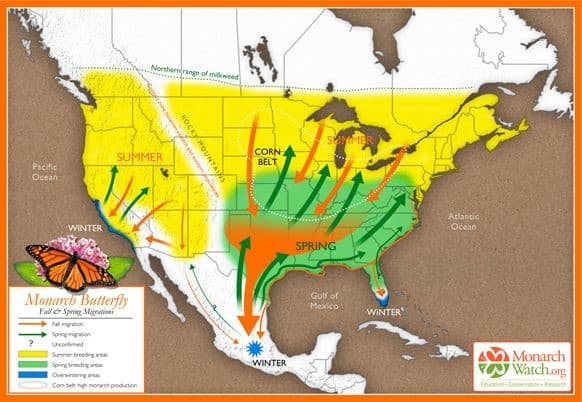
Millions of monarch butterflies cross borders each year, yet no single butterfly makes the full round trip. The routes that guide monarchs from Mexico to the United States and Canada are being narrowed by habitat loss, pesticide exposure and land management decisions that reach from farm fields to backyard gardens.
The route monarchs still follow
Monarchs move north from Mexico in the spring and south from the United States and Canada in the fall. WWF puts the eastern population’s journey at roughly 1,200 to 2,800 miles or more, moving from the northeast United States and southeast Canada to mountain forests in central Mexico, where the climate is right for overwintering. Monarch Watch estimates that hundreds of millions of monarchs make that fall journey to central Mexico, though its migration map still leaves some parts of the species’ distribution and abundance incomplete.
Monarchs are not tied to a single corridor. Monarch Watch’s map covers fall and spring movement east and west of the Rocky Mountains, and NatureServe said in 2024 that new research had mapped migratory habitats essential to western monarch butterflies.
What the winter survey is showing
Every winter, WWF Mexico and partners survey the sites where the eastern monarch butterfly spends the season in central Mexico. In March 2025, WWF said in its Monarch Butterfly Survey Report 2024-2025 that the eastern monarch butterfly population had increased, nearly doubling.
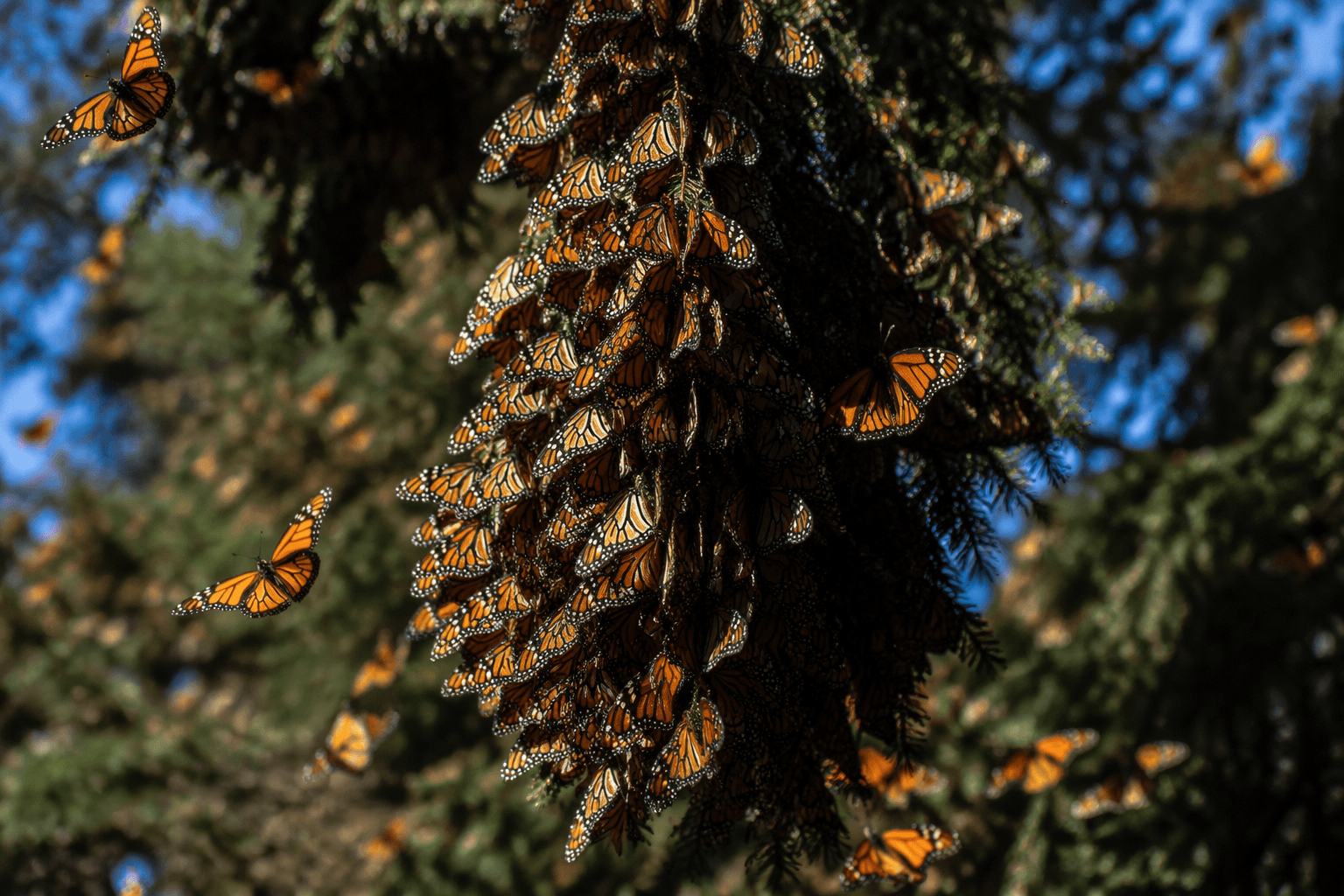
Habitat loss across breeding grounds, migration stopovers and overwintering sites still shapes the species’ future.
Why habitat loss still dominates the story
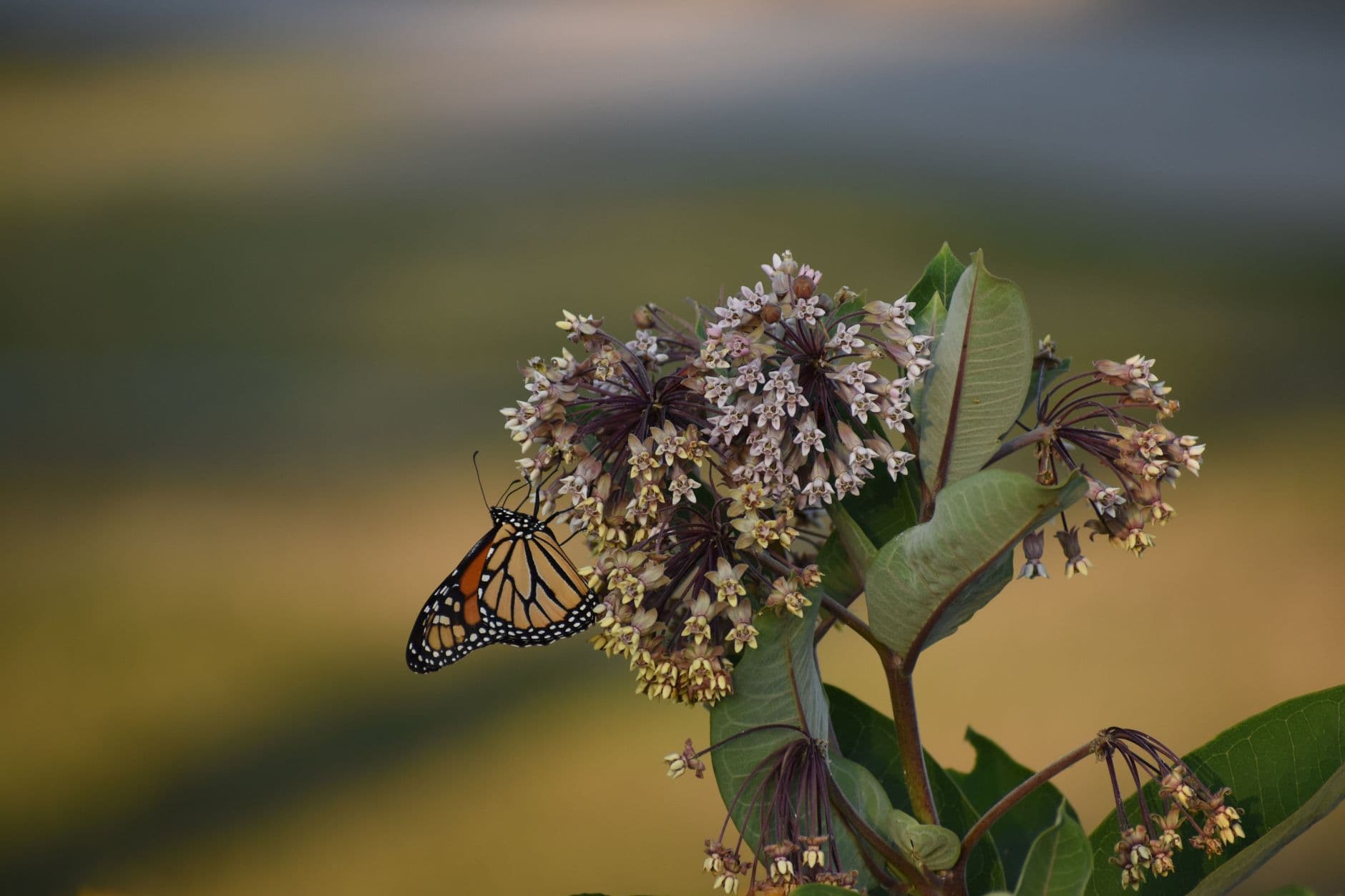
The monarch’s life cycle depends on milkweed and flowering plants at different stages. Female monarchs lay eggs on milkweed, caterpillars eat milkweed leaves, and adults feed on nectar from a range of flowering plants. Monarchs cannot survive without milkweed, and shifting land management practices have removed much of it from the landscape.
Agriculture is central to that change. Vast areas now used for agriculture were once breeding grounds, and the Corn Belt once supplied abundant milkweed habitat for eastern monarchs. In the West, California’s Central Valley once played a similar role for western monarchs. When those landscapes are simplified, monarchs lose not just food plants but the breeding sites that let successive generations move north each year.
The same pressure reaches the mountain forests in central Mexico, where monarchs overwinter. Habitat loss there reduces the safety of the final destination, while habitat loss in the United States and Canada strips away the breeding base that makes the whole migration possible.
What pesticide use changes on the ground
Pollinators such as bees and butterflies are vanishing because of toxic pesticides and habitat loss. In agricultural settings, insecticide use is especially consequential, where exposed eggs, larvae and pupae face the greatest risk before adulthood. The problem is not only direct exposure. When milkweed disappears from crop fields and field margins, monarchs lose the plants on which their earliest life stages depend.
Neonicotinoids remain a particular concern in monarch habitat. Neonicotinoid insecticides should be avoided in monarch habitat because of their persistence and systemic nature. Pesticide contamination can reach habitat at levels harmful to native bees and butterflies, which is why land managers are urged to limit and carefully manage pesticide use when protecting pollinator areas.
Herbicide and insecticide decisions made for weed or pest control can ripple far beyond one field edge. When those decisions reduce milkweed or contaminate flowering habitat, they shrink monarch breeding and feeding sites across the route.
What farming practices can protect or erase habitat
On farms, simple management choices can help decide whether monarchs find usable habitat. Agricultural land once supported widespread breeding grounds, and conservation work has focused on helping managers recognize and preserve milkweed in working landscapes. In roadside and field-edge settings, the U.S. Forest Service and related conservation partners have also emphasized best management practices that protect roadside habitat where milkweed and nectar plants can persist.
Milkweed also supports other pollinators, including honey bees, and those insects matter to agriculture. That means monarch-friendly land management can overlap with wider pollinator conservation, especially where growers, road crews and land managers keep flowering habitat intact instead of clearing it outright.
What backyard planting choices matter most
Home landscapes can either add stepping-stone habitat or become dead ends. The most important step is to plant milkweed, but not just any milkweed. Native milkweed is recommended, while non-native tropical milkweed is discouraged in butterfly gardens. Monarch adults also need nectar plants, so a useful garden includes both host plants for caterpillars and flowering plants for adult feeding.
- Plant native milkweed suited to your region.
- Add nectar plants that bloom at different times so adults have food through the season.
- Avoid routine pesticide use in monarch habitat.
- Keep plants together in a patch that monarchs can actually find.
- Choose native species rather than tropical milkweed where native options are available.
A practical backyard setup looks like this:
This article was produced by Prism’s automated news system from verified source data, official records, and press releases, then run through automated quality and moderation checks before publishing. The system is built and supervised by the people who set the standards it runs under. Read our full AI policy.
Did this article answer your question?