Moody’s lifts China outlook to stable, citing resilient economy and fiscal strength
Moody’s put China back on a stable outlook as industrial profits jumped 15.5%, but weak consumption and slowing exports still cloud the recovery.
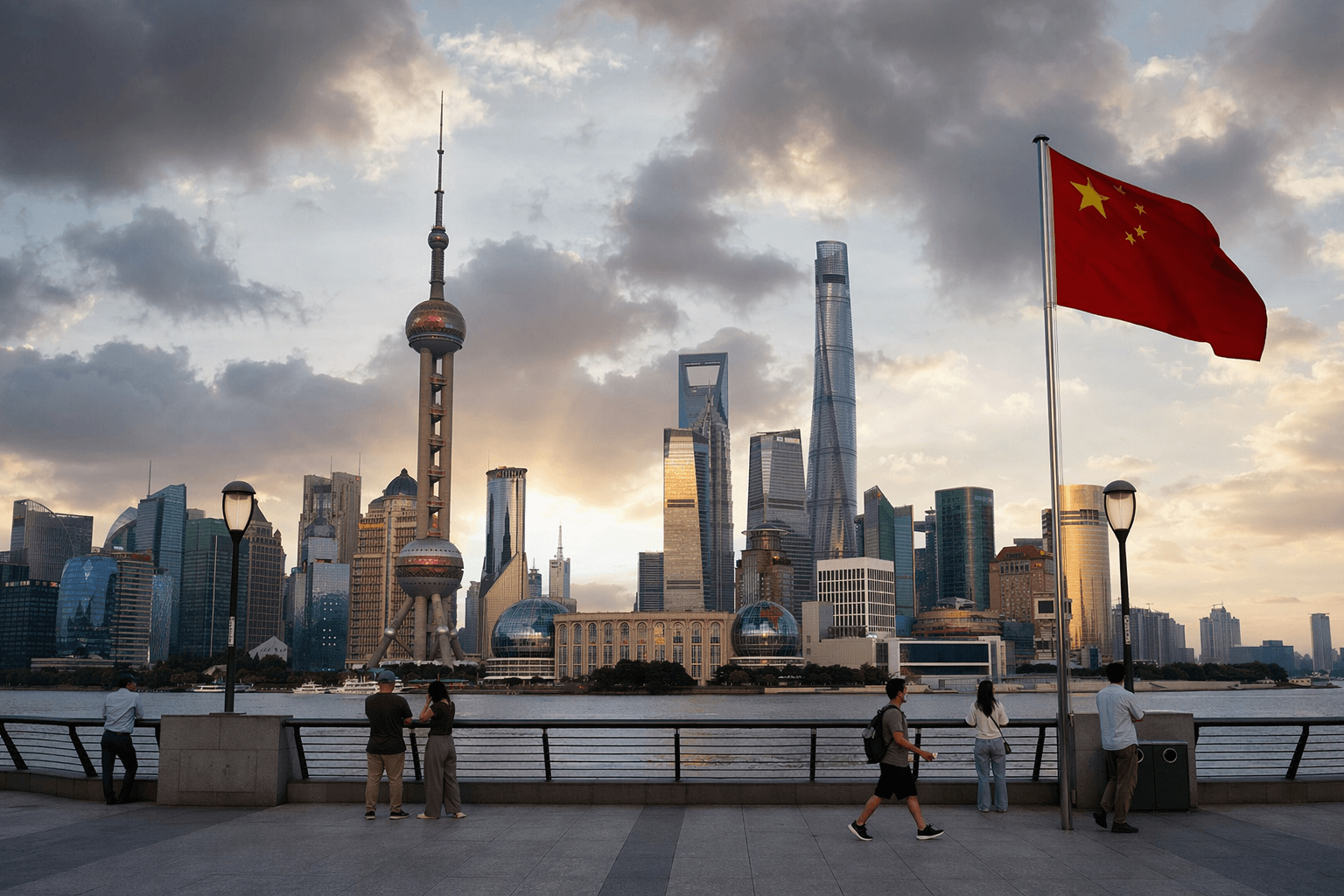
Moody’s lifted China’s sovereign outlook to stable from negative on April 27, affirming the country’s A1 long-term local- and foreign-currency issuer and senior unsecured ratings. The shift signaled that China’s economy and public finances remain resilient enough, for now, to absorb domestic strain, even as trade frictions and geopolitical tensions continue to hang over growth.
The rating agency said export growth is likely to moderate, but China’s competitiveness should cushion the slowdown and allow GDP growth to ease only gradually. That view matters because it stops short of declaring a turnaround. It is instead a judgment that Beijing can still contain pressure without a sharper deterioration in credit conditions.
China’s Ministry of Finance welcomed the move and said it would keep transforming the economy and improving fiscal sustainability. The response underscored the political value of the decision in Beijing, where officials have been trying to steady confidence as growth remains uneven and the property slowdown continues to weigh on demand.
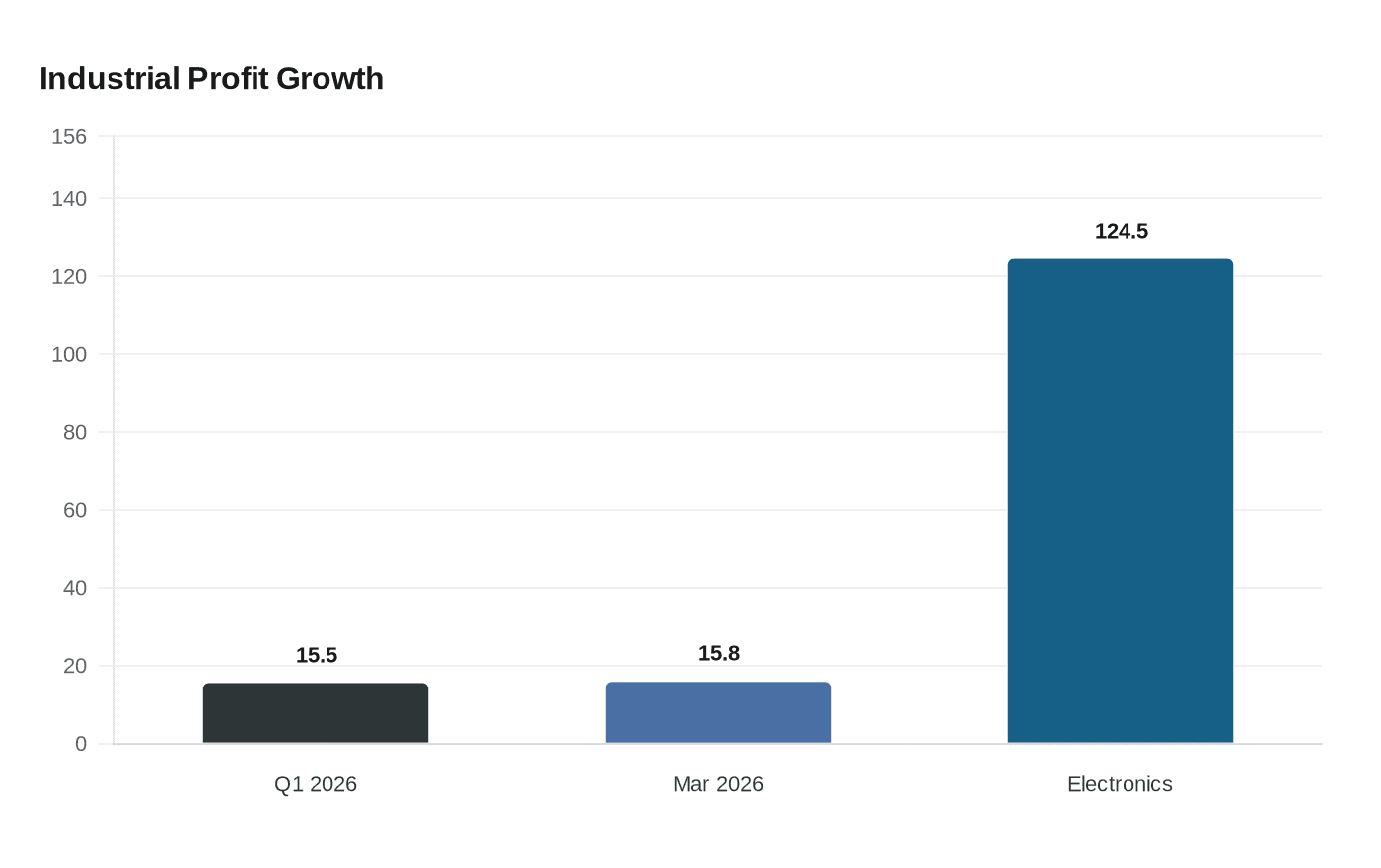
The outlook change landed alongside a stronger-than-expected industrial earnings reading. China’s major industrial firms posted 15.5% year-on-year profit growth in the first quarter of 2026, reaching 1.696 trillion yuan, while March profits rose 15.8% from a year earlier, the fastest pace in six months. Equipment manufacturing and high-tech manufacturing were the main drivers, and electronics profits surged 124.5% in the quarter. The figures covered firms with annual revenue of at least 20 million yuan from their main operations, meaning the gain reflected larger industrial players rather than the whole economy.
Even so, the recovery remained patchy. Consumption was still weak, exports were slowing and higher costs were beginning to bite. The National Bureau of Statistics of China warned that external uncertainties remained elevated and that domestic supply-demand imbalances still needed attention. The industrial profit rebound pointed to pockets of strength, but it did not erase the broader strain in household spending and private-sector demand.
Moody’s reversal also marked a notable change from December 5, 2023, when it cut China’s outlook to negative from stable while affirming the A1 ratings. At the time, it cited rising support for regional and local governments and state-owned enterprises, structurally lower medium-term growth and the ongoing downsizing of the property sector. China’s finance ministry said then that it was disappointed by the decision.
This latest move gives Beijing a modest credibility boost, but it is not a clean bill of health. Moody’s is signaling that China remains large, adaptable and capable of weathering shocks, even if the underlying growth model is still under pressure.
This article was produced by Prism’s automated news system from verified source data, official records, and press releases, then run through automated quality and moderation checks before publishing. The system is built and supervised by the people who set the standards it runs under. Read our full AI policy.
Did this article answer your question?

