Moonshot AI unveils Kimi K3, claims largest open model yet
Moonshot AI rolled out Kimi K3, a 2.8-trillion-parameter open-weight model with a 1M-token window and pricing aimed well below premium U.S. rivals.
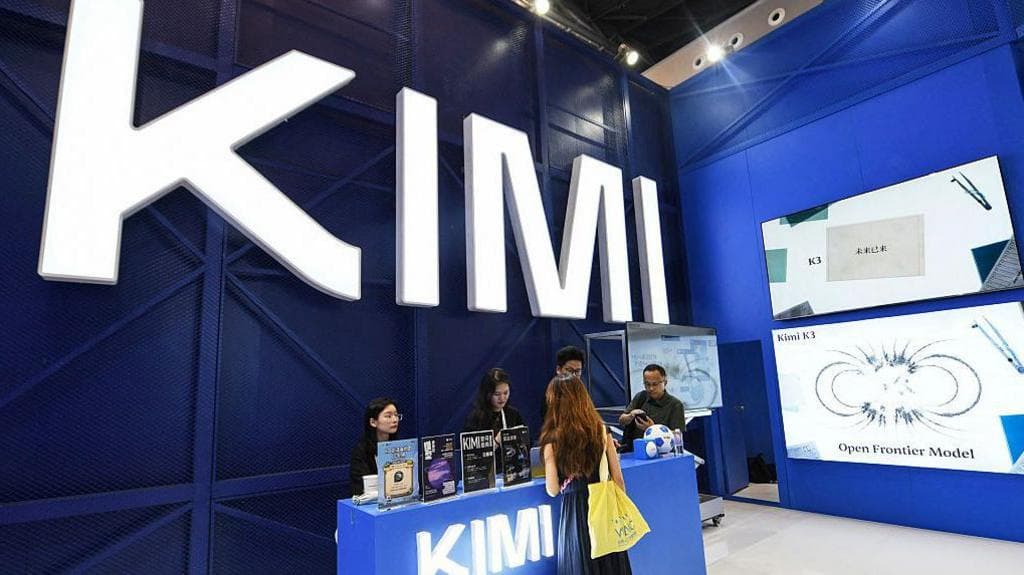
Moonshot AI unveiled Kimi K3 on Friday, a 2.8-trillion-parameter open-weight model that the Chinese startup described as the largest open AI system yet. The launch puts fresh pressure on U.S. rivals at a moment when model scale, access and price are all part of the global AI power race.
OpenRouter listed Kimi K3 as released July 16, with a 1M-token context window and pricing set at $3 per million input tokens and $15 per million output tokens. Its listing described the system as an ultra-large-scale, open-weight multimodal reasoning model built for complex coding, knowledge work and long-horizon agentic workflows. One report said the model weights were not immediately available and would arrive about two weeks later, a detail that matters because openness in AI depends on more than a marketing label.

Moonshot is pitching Kimi K3 as a direct challenge to Anthropic’s Opus 4.8, a comparison that places a Chinese startup inside the same frontier conversation as the most advanced U.S. labs. The claim is not just about parameter count. It is about whether a Chinese company can match elite performance while keeping the model open enough to attract developers, researchers and businesses that want lower costs and more control over deployment.
The release follows Moonshot’s earlier open-source push. In July 2025, the company released an open-source model to reclaim market position, and later coverage of Moonshot’s trajectory described a Chinese AI sector under pressure to monetize even as open-source development remains part of the competitive strategy. Yang Zhilin, Moonshot’s founder, has become the public face of that approach. Kimi K3 extends it with a model large enough to force direct comparisons with U.S. firms on capability, access and price.
For U.S. tech policy, the debut is a reminder that competition with China is no longer limited to closed models from a handful of Silicon Valley firms. Moonshot’s mix of scale, openness and aggressive token pricing shows how Chinese AI companies can still narrow the gap in the market, even while the full impact of the model will depend on whether developers can use the weights once they arrive.
This article was produced by Prism’s automated news system from verified source data, official records, and press releases, then run through automated quality and moderation checks before publishing. The system is built and supervised by the people who set the standards it runs under. Read our full AI policy.
Did this article answer your question?