Moonshot pauses Kimi subscriptions as K3 rattles U.S. AI stocks
Moonshot paused new Kimi subscriptions after K3 demand strained capacity, while analysts said the model may signal a shift toward memory efficiency over brute force.
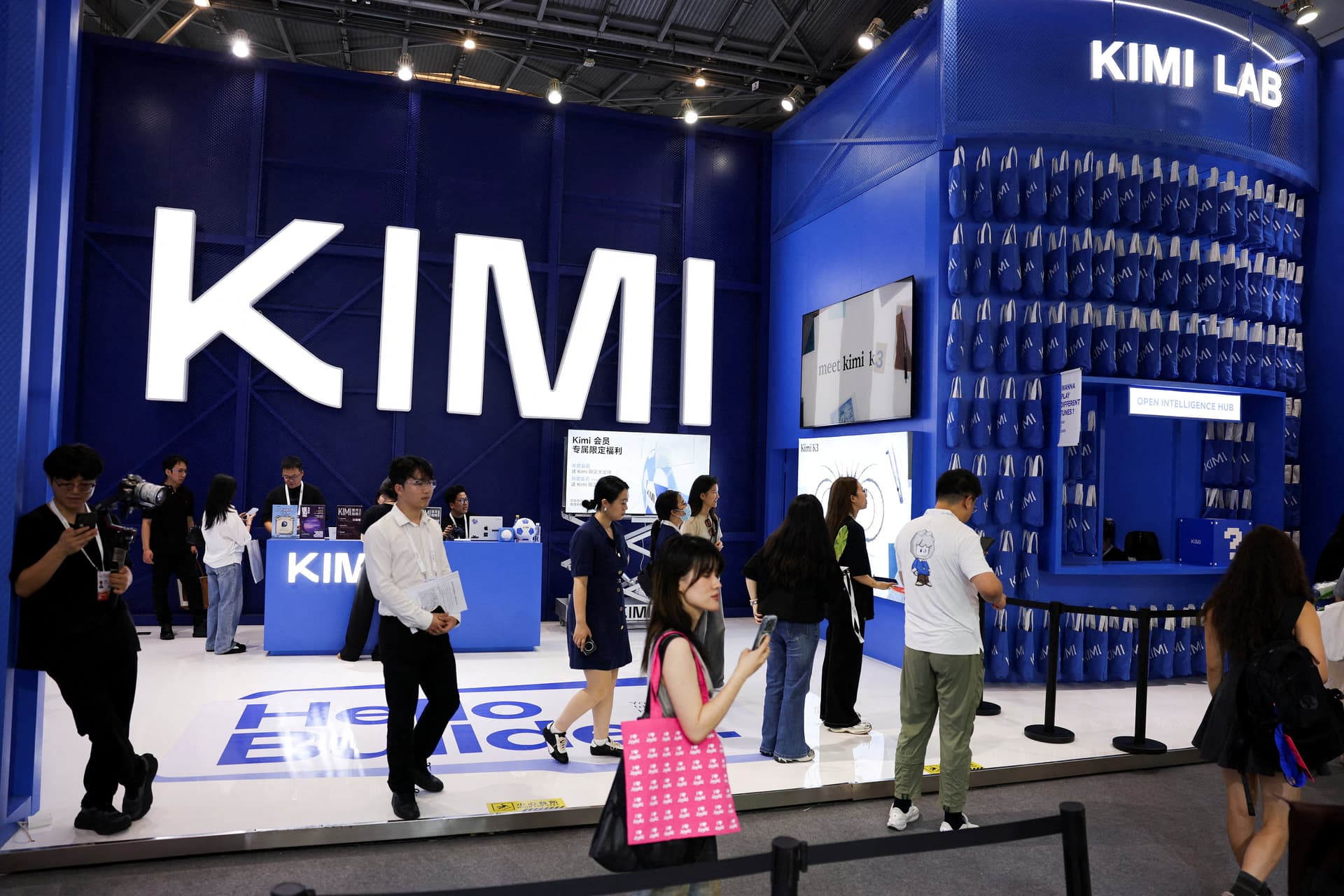
Moonshot AI temporarily paused new Kimi subscriptions after demand for its Kimi K3 model strained capacity and pushed the startup’s current GPUs close to their limits over 48 hours. The 2.8-trillion-parameter open-weight system has also rattled AI and semiconductor stocks, sharpening a new debate over whether the next phase of the AI race will be won by raw compute or by more efficient memory design.
Moonshot unveiled Kimi K3 on July 17 at the World AI Conference in Shanghai, pitching it as a model that rivals leading systems from OpenAI and Anthropic. Reuters said the company suspended new subscriptions because the surge in interest was outstripping what its infrastructure could handle, while current paid users would remain unaffected as available computing power was redirected to them.

The pause came as Moonshot was also pressing ahead with an IPO push and weighing a Hong Kong listing within about six months. That combination of surging consumer demand and capital-market ambitions has made Kimi more than a product launch: it is now a test of whether a Chinese AI startup can scale a frontier model under tight hardware limits and still convince investors it can grow fast enough to justify a public offering.
Kimi K3’s market impact has been immediate. Reuters reported that the launch contributed to declines in AI and semiconductor stocks, feeding concern that Chinese open-weight models could undermine the capital-spending assumptions behind the U.S. AI boom. Quartz said Kimi K3 outperformed several leading U.S. systems on some benchmarks while pricing below top-tier American rivals, a combination that puts pressure on the idea that the most expensive models will automatically stay ahead.
Bloomberg’s latest framing suggests the more important question may be memory, not just compute. In plain terms, that means the battle is not only about how many chips a model can throw at a problem, but how efficiently it stores, retrieves and uses information while answering. That matters because better memory architecture can lower the cost of serving each query, reduce strain on limited GPUs and let a company squeeze more performance out of the same hardware.
For China’s AI firms, that shift carries added weight under chip constraints. If models like Kimi K3 can compete through efficiency rather than brute-force scale, they may narrow the gap with U.S. firms even when access to the latest chips remains restricted. Bloomberg had already said Moonshot’s Kimi breakthrough was changing market perceptions of the U.S.-China AI divide, and K3 has now taken that argument from investor chatter into the stock market itself.
This article was produced by Prism’s automated news system from verified source data, official records, and press releases, then run through automated quality and moderation checks before publishing. The system is built and supervised by the people who set the standards it runs under. Read our full AI policy.
Did this article answer your question?