UK backs CuspAI and Bezos in $450 million materials AI round
The UK government and Jeff Bezos are backing CuspAI in a $450 million bet that AI can find better materials for batteries, semiconductors and carbon capture.
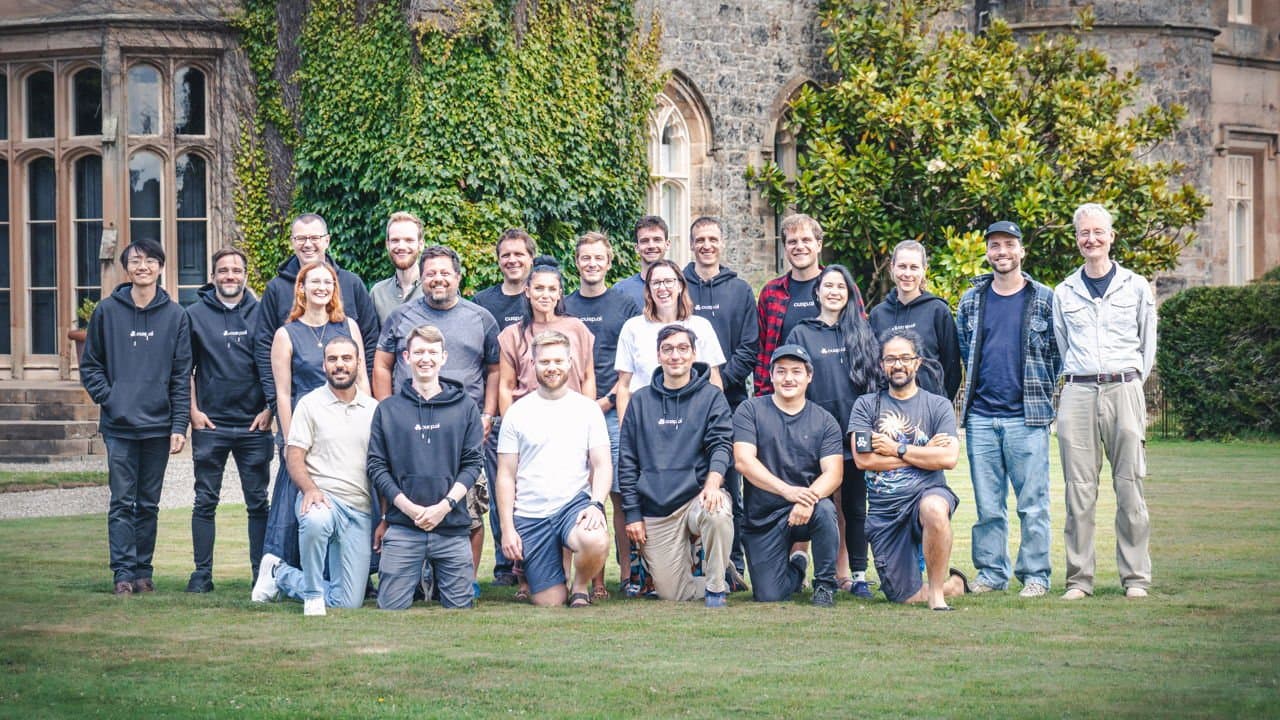
CuspAI has drawn backing from the UK government and Jeff Bezos in a reported $450 million funding round that pushes AI farther into industrial policy and materials science. The Cambridge startup is pitching machine learning as a faster way to discover new materials for batteries, semiconductors, carbon capture, manufacturing and energy storage.
The company’s core claim is straightforward: AI can search vast design spaces faster than traditional trial-and-error in the lab. That matters because many of the hardest bottlenecks in modern industry are not software problems at all, but material problems, from durability and efficiency to sustainability and performance.
The government’s involvement gives the deal a national-strategy edge. It suggests Britain sees CuspAI as more than another private AI investment and as part of a broader effort to attract frontier technology capital, deepen AI research and turn academic strength into commercial output. Bezos’ participation adds global weight to that bet, tying the round to one of the world’s best-known technology investors.

The funding also shows where the AI money is moving. After the first wave of attention around chatbots and coding assistants, investors are increasingly rewarding companies that promise measurable gains in science and manufacturing. In CuspAI’s case, the promise is that better prediction tools can shorten the path to commercially useful materials, whether the need is lighter components, better storage or lower-emissions industrial processes.
The size of the round signals confidence that materials AI could become one of the more valuable niches in the broader artificial intelligence boom. It also raises the practical question that now follows every large AI raise: how long it takes for model-driven discovery to produce materials that can survive testing, scale-up and factory use. For the UK, the payoff would be an AI company that does not just generate text or images, but helps invent the building blocks of the next generation of infrastructure and products.
This article was produced by Prism’s automated news system from verified source data, official records, and press releases, then run through automated quality and moderation checks before publishing. The system is built and supervised by the people who set the standards it runs under. Read our full AI policy.
Did this article answer your question?