Mor Spirit Dies in South Korea at 13; Reported Colic, Conflicting Dates
Mor Spirit, a Grade 1-winning sire, died in South Korea at 13; reports cite colic and conflicting dates, a sharp blow to breeders and international racing connections.
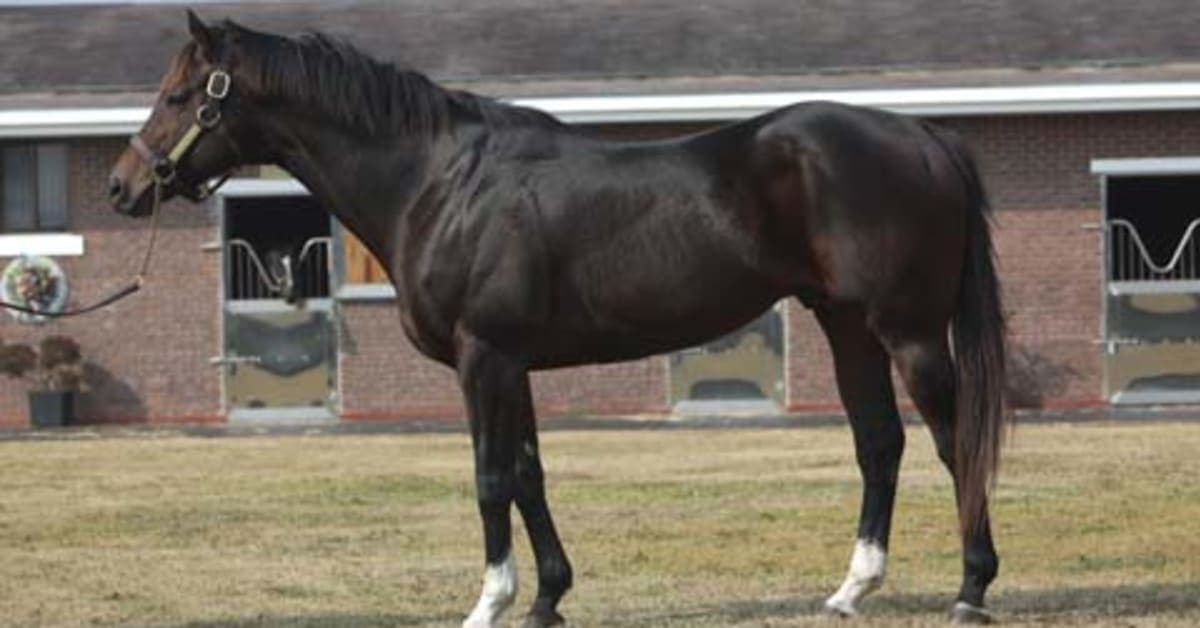
Mor Spirit, the Grade 1-winning son of Eskendereya who stood at Spendthrift Farm and later Swifty Farms, has died in South Korea at age 13, with media and studbook records offering conflicting dates and an unconfirmed cause. Korea Racing Authority studbook entries cited in reporting list a date of death that various outlets record as either Jan. 2 or Feb. 1, and KRA’s database does not list a cause of death. An industry source who asked not to be identified told BloodHorse the stallion died from colic and that “this latest bout of colic was reportedly the second for the stallion since he arrived in Korea Nov. 11.”
The discrepancies in dates and arrival reporting are material for breeders and buyers because Mor Spirit had been exported to stand on Jeju Island after a U.S. stud career. Some accounts list his arrival as Nov. 11, others as Nov. 13, and at least one report said he died “ahead of his debut breeding season in the country.” Paulick Report phrased the situation this way: “Mor Spirit, a Grade 1 winner who competed in the 2016 Kentucky Derby, died on Feb. 1 in Korea ahead of his debut breeding season in the country, according to Korea Racing Authority records.”
On the racetrack Mor Spirit was a high-profile juvenile and classic-hopeful. Bred by the Elkstone Group and purchased for $650,000 at the 2015 Fasig-Tipton Gulfstream Selected 2-Year-Olds in Training Sale, he broke his maiden by 4 1/2 lengths at Santa Anita, won the G1 Los Alamitos Futurity at two, and at three won the G3 Robert B. Lewis Stakes with runner-up finishes in the G2 San Felipe Stakes and the G1 Santa Anita Derby. He ran 10th in the 2016 Kentucky Derby under Gary Stevens for owner Michael Lund Petersen and trainer Bob Baffert.
As a stallion he entered stud in 2019. He stood five seasons at Spendthrift Farm near Lexington, then two seasons at Swifty Farms in Indiana before being sold to Korean interests and slated to stand for the Korea Thoroughbred Breeders' Association on Jeju Island. His offspring showed commercial and international utility: BloodHorse reports his runners have won 423 races and earned $14,819,724 worldwide, while Paulick notes he left five crops of racing age with 159 winners and progeny earnings in excess of $14.8 million. His leading runners include Chancheng Glory, a gelding who has raced at the top level in Hong Kong and Korea, winning the Centenary Vase Handicap G3 at Sha Tin and earning more than $3 million, and Velocitor, a multiple stakes winner who captured the Coronation Futurity and the Prince of Wales Stakes.
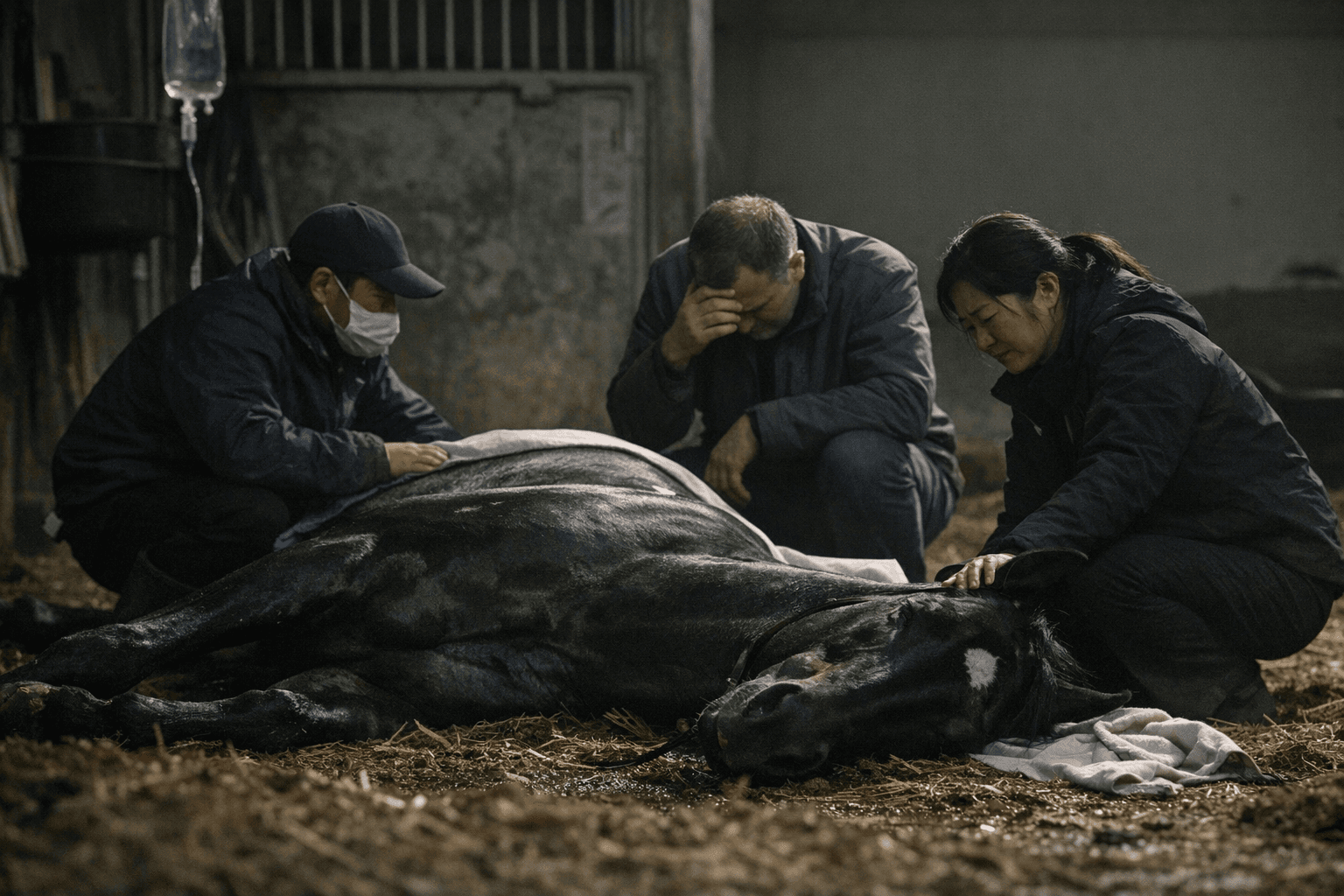
The immediate business impact is tangible. Mare owners who were planning books with Mor Spirit now face uncertainty about bookings and refunds, and the KTBA’s breeding program on Jeju will lose a U.S.-market stallion whose stock had already shown international promise. The episode also raises questions about export timing, veterinary care during trans-Pacific transfers, and the robustness of studbook records for cause of death reporting.
Next steps for connections and breeders are verification and transparency: obtain the official KRA studbook entry, a KTBA statement on acquisition and planned duties at Jeju, and any veterinary or necropsy reports that confirm whether colic was the cause and whether the stallion had prior episodes after arrival. For breeders and racehorse investors, Mor Spirit’s death underscores the risks inherent in the international stallion market and the value of clear, prompt records when a sire’s availability changes suddenly.
Know something we missed? Have a correction or additional information?
Submit a Tip