More artists quit Trump-linked Freedom 250 concerts over politics, threats
A Trump-linked 250th anniversary spectacle lost four acts in under two days, after Martina McBride said assurances that it was nonpartisan were misleading.
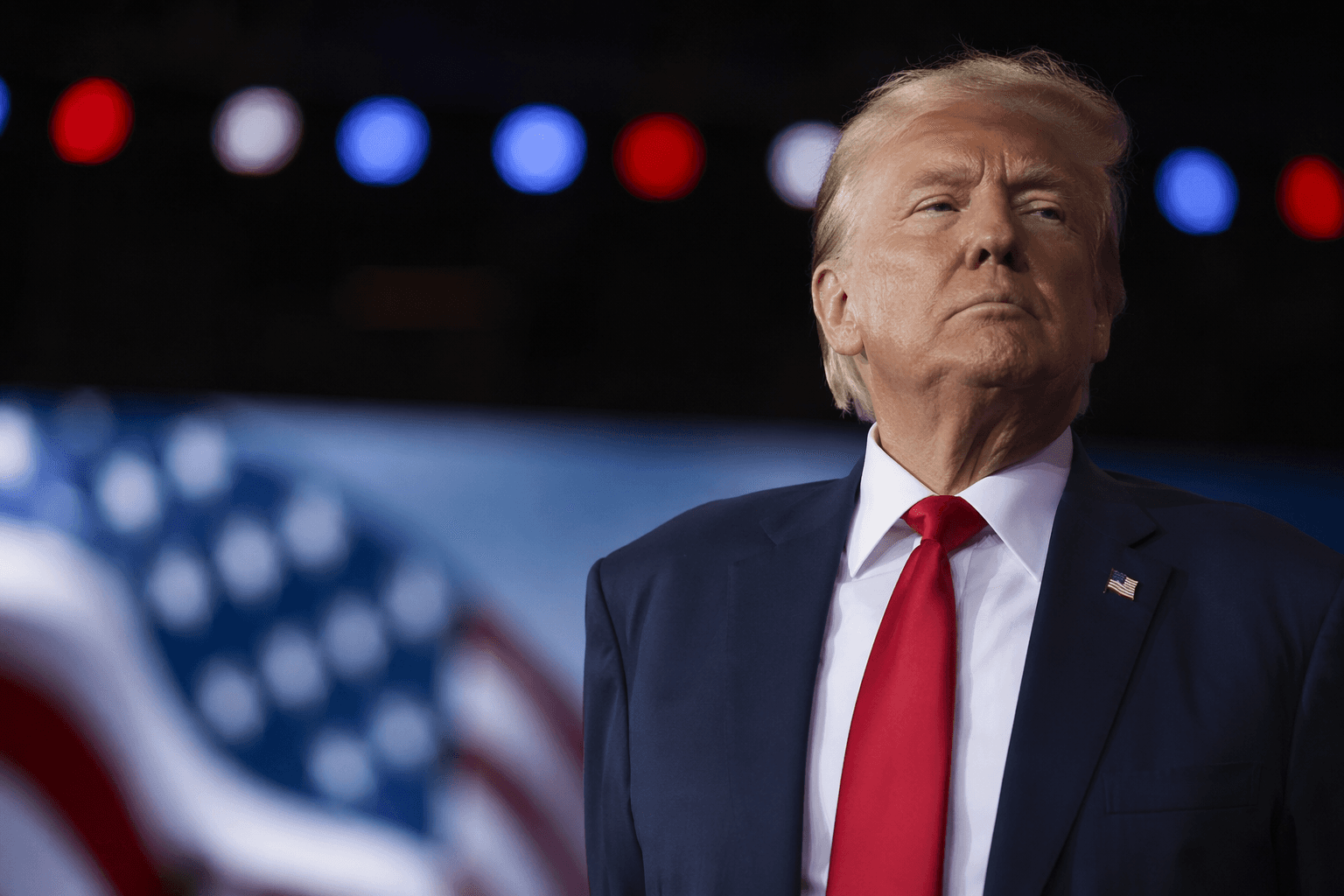
A Trump-linked plan to turn the National Mall into a 16-day Great American State Fair has already run into a blunt political test: four artists walked away almost as soon as the first lineup was announced, and another was still wavering.
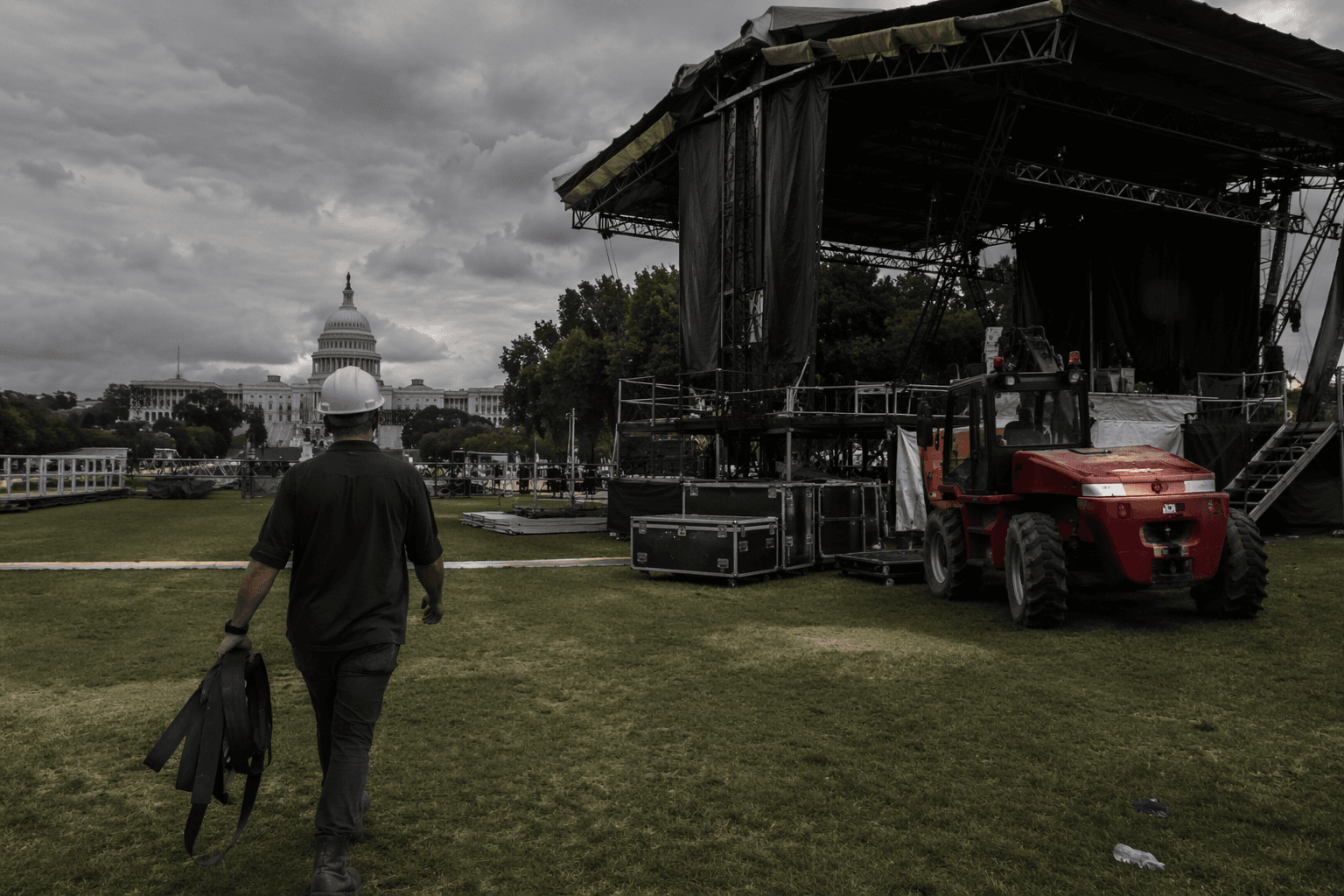
Freedom 250 has scheduled the fair for June 25 through July 10, 2026, on the stretch of grass and monuments running from the U.S. Capitol to the Washington Monument. The group says it is a nonpartisan organization created to celebrate America’s 250th birthday, and it has cast the event as a World’s Fair-scale tribute to traditions, innovation, music, military heritage, freedom and entrepreneurship. Keith Krach, a former Trump administration under secretary of state, is Freedom 250’s chief executive. Rachel Reisner, a spokesperson for the organization, said it is “dedicated to uniting Americans around the nation’s 250th anniversary.”
Instead of that unifying message, the first wave of performer announcements triggered a rapid retreat. Young MC, Morris Day, the Commodores and Martina McBride all said they would not perform. Freedom Williams of C&C Music Factory was still undecided, adding to the sense that the lineup was already fracturing under political pressure.
McBride said she had agreed only after being assured the event was nonpartisan, then said what she was told was “misleading.” Young MC said the artists were never told about any political involvement and said he hoped to perform in Washington in the future at an event that was not politically charged. Morris Day also said his group would not appear.
The dispute has become sharper because the fair is not a small concert series but a civic spectacle anchored to the National Mall and tied to the country’s 250th anniversary. One of the early announcements included an “I Love the ’90s” concert on June 26, a booking that made the lineup feel more like a pop nostalgia tour than a neutral national celebration. Yet even that framing has not insulated the event from scrutiny over who is being asked to stand on stage and what political meaning the booking carries.
Jodie Rocco, one of the singers associated with Milli Vanilli after the group’s scandal, said she and other vocalists who performed under that name had not been asked to appear. Vanilla Ice remained on board, with a representative saying he was proud to help celebrate America’s 250th anniversary.
The backlash fits a longer pattern of artists objecting when their music or image is pulled into Trump-related events without consent. Celine Dion, Elton John and Guns N’ Roses have all raised objections in similar disputes. At the center of this one is a deeper question about public space: whether a national commemoration can still feel open to everyone when politics, intimidation and ideological litmus tests decide who is willing to show up.
This article was produced by Prism’s automated news system from verified source data, official records, and press releases, then run through automated quality and moderation checks before publishing. The system is built and supervised by the people who set the standards it runs under. Read our full AI policy.
Did this article answer your question?