More retirees return to work as high costs strain budgets
High costs are pushing more retirees back to work, and nearly half say money or a weak outlook is the reason.

Retirement is becoming a detour for many older Americans as the math on housing, healthcare and everyday expenses keeps getting harder to manage. An AARP survey found that 7% of retirees had returned to work in the past six months, and 48% of those who went back said they needed money or faced a poor economic outlook.
The survey points to a shift that looks less like a lifestyle choice than a financial necessity. Smaller shares of returnees cited boredom, 15%, or helping others, 14%, suggesting that earnings, not extra purpose, are driving most of the movement back into the labor market. AARP said the pattern has stayed fairly steady, with 6% reporting a return to work in summer 2025 and 7% in winter 2025.
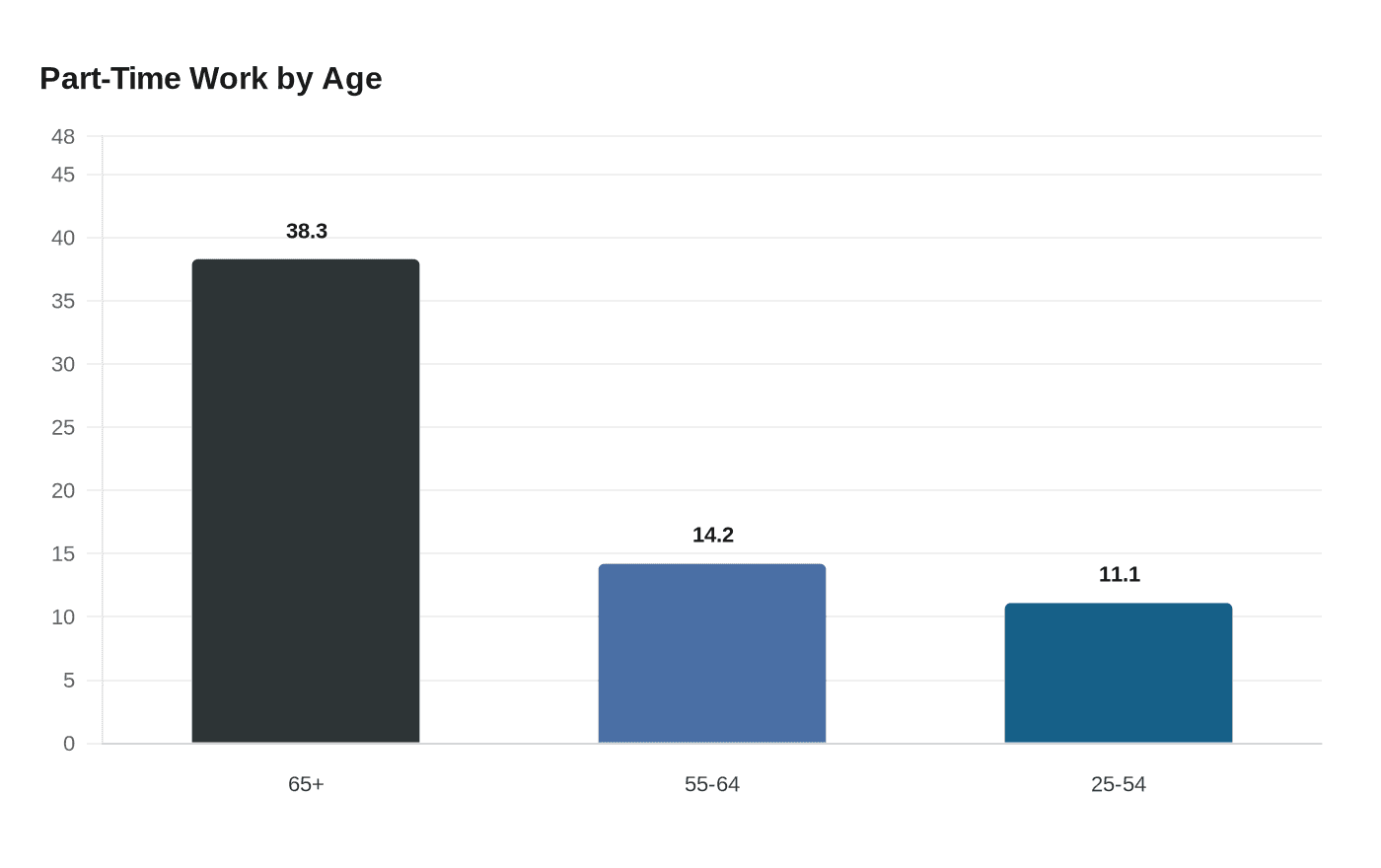
For many older workers, the return comes in reduced hours rather than a full-time job. The U.S. Bureau of Labor Statistics said 38.3% of employed people age 65 and older worked part time in 2024, far above the shares for workers ages 55 to 64, at 14.2%, and ages 25 to 54, at 11.1%. That part-time pattern helped push the labor force participation rate for people 65 and older to 19.5% in 2024, with about 11.6 million people in that age group in the labor force.
That participation rate is still well below the modern high-water mark for older Americans, but it has climbed sharply over the long run. BLS data show the rate bottomed at 10.8% in 1985. The longer arc matters: more people are staying on the job longer, yet recent research suggests the post-pandemic recovery among older workers has been incomplete.
Researchers at the Federal Reserve Bank of San Francisco estimated that workers age 55 and older remained nearly 2 million below pre-pandemic participation trends, with the gap concentrated among people without a college degree. The U.S. Government Accountability Office found the unemployment rate for workers ages 55 to 64 peaked at 12.6% in April 2020 and returned to 2.2% by April 2023. It also found retirement account balances held relatively steady during the pandemic, while Social Security claiming initially fell and then rose above pre-pandemic levels in late 2020.
Taken together, the numbers show a retirement system under strain. For many older Americans, unretirement is no longer about staying busy. It is becoming a way to cover essentials that pensions, savings and Social Security no longer fully meet.
This article was produced by Prism’s automated news system from verified source data, official records, and press releases, then run through automated quality and moderation checks before publishing. The system is built and supervised by the people who set the standards it runs under. Read our full AI policy.
Did this article answer your question?