More than 12 attacks hinder Ebola response in Congo
More than 12 attacks hit Ebola responders in Congo, injuring 45 aid workers and slowing the tracing, vaccination and burials needed to stop spread.
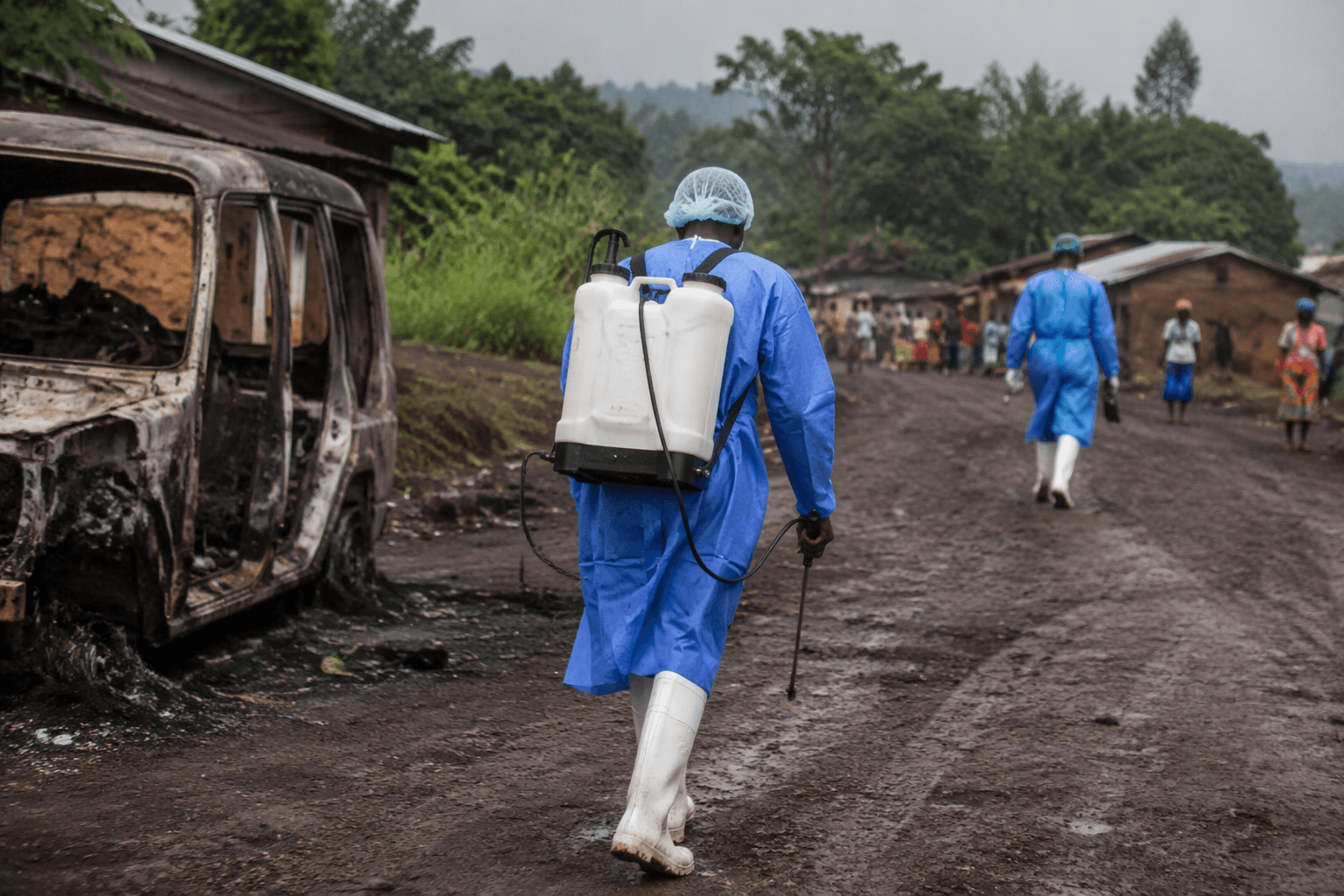
More than 12 attacks were recorded against Ebola responders or response operations in Congo, a level of insecurity that has already injured 45 response and aid workers and left health teams unable to work safely in key areas. The violence is compounding an outbreak in eastern Democratic Republic of the Congo that began in Ituri Province and has now spread into Uganda.
The outbreak was first flagged after the World Health Organization was alerted on May 5 to a high-mortality illness in Mongbwalu Health Zone, Ituri Province. Laboratory analysis on May 15 confirmed Bundibugyo virus disease, a species of Ebola, and WHO declared the epidemic a Public Health Emergency of International Concern on May 17 for both the DRC and Uganda.
The toll on responders is being tracked closely by the UN Office for the Coordination of Humanitarian Affairs, which said partners recorded 76 security incidents tied to the outbreak. In the same period, escalating violence injured 45 health and aid workers, a sign that the threat is not limited to isolated clashes but is directly shaping how the outbreak can be contained on the ground.
When responders cannot move safely, Ebola surveillance slows, contact tracing breaks down and vaccination teams face delays reaching exposed families. Safe burials and community outreach become harder to organize, and people who fear violence or mistrust outside teams may wait longer to seek care. In an outbreak of a virus that spreads through direct contact with bodily fluids, those delays can give transmission more room to grow.
WHO said this was the 17th Ebola outbreak in the DRC since the virus was first identified in 1976, and the agency’s regional office for Africa said it remained active in northeastern Congo with cross-border spread into Uganda. A humanitarian brief described the outbreak as unfolding amid a major conflict-induced humanitarian emergency and displacement crisis, conditions that make access and trust even harder to secure.
The history in eastern Congo makes the current attacks especially alarming. Earlier Ebola responses in the country were disrupted by armed violence that killed health workers and forced evacuations, and in 2019 WHO warned that violence in the region was a “very dangerous and alarming development” that could reignite the epidemic. That warning now reads as operational reality: every attack on responders narrows the space for surveillance, treatment and vaccination, and raises the risk that the outbreak will outpace the response.
This article was produced by Prism’s automated news system from verified source data, official records, and press releases, then run through automated quality and moderation checks before publishing. The system is built and supervised by the people who set the standards it runs under. Read our full AI policy.
Did this article answer your question?