Women describe endometriosis's toll on careers as workplace inquiry begins
Women with endometriosis say years of missed diagnosis, disbelief at work and weak leave rules pushed them out of jobs as MPs open an inquiry.
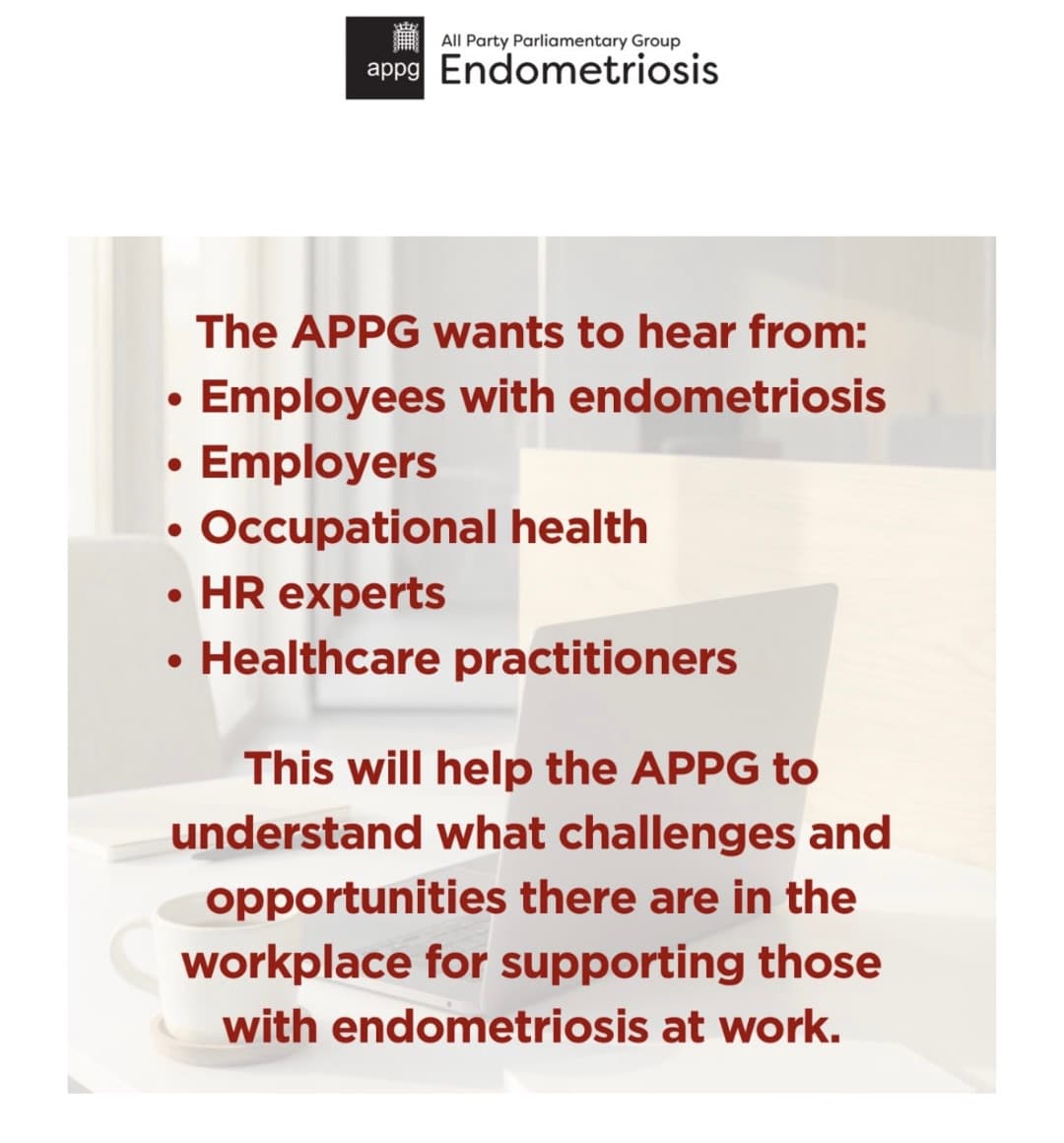
The All-Party Parliamentary Group on endometriosis has launched an inquiry into endometriosis in the workplace as women describe the condition costing them jobs, careers and pay. The House of Commons has also published material on Endometriosis in the workplace, reflecting public contributions to a parliamentary debate.
Endometriosis, where tissue similar to the lining of the womb grows outside it, affects one in 10 women in the UK and can cause debilitating pain, fatigue and heavy periods. Diagnosis can take eight to 10 years on average from a patient's first GP appointment, because formal confirmation usually requires invasive surgery. Endometriosis UK says one in six women and those assigned female at birth with the condition have to leave the workplace because of it.

The career damage is visible in the accounts of women speaking about the illness. Samantha Hartin said endometriosis has affected every job she has had and has also affected motherhood. Dee Montague-Coast said disbelief from colleagues, combined with the years it took to get a diagnosis, forced her to change career after people questioned whether her symptoms were fabricated.
The employment impact has been backed by official data. The Office for National Statistics analysis of women aged 25 to 54 in England, covering April 2016 to December 2022, found that women diagnosed with endometriosis tend to earn less and are at greater risk of job loss. The Royal College of Obstetricians and Gynaecologists responded to those findings on 6 February 2025, while Endometriosis UK highlighted the effect on wages and work retention.
Delayed treatment also spills into the workplace. Another BBC report said one woman was left waiting years for surgery, while 59,733 women in Northern Ireland were on gynaecology waiting lists, almost 18% more than 12 months earlier. With the parliamentary inquiry now under way, pressure is building on the NHS and employers to address diagnosis delays, inadequate leave policies and workplace disbelief before more women are forced out of work.
This article was produced by Prism’s automated news system from verified source data, official records, and press releases, then run through automated quality and moderation checks before publishing. The system is built and supervised by the people who set the standards it runs under. Read our full AI policy.
Did this article answer your question?