More than 4,200 NewYork‑Presbyterian nurses return after 41‑day strike
More than 4,000 nurses at NewYork‑Presbyterian returned to work after ratifying a three‑year contract that ends a 41‑day walkout and secures staffing and pay gains.

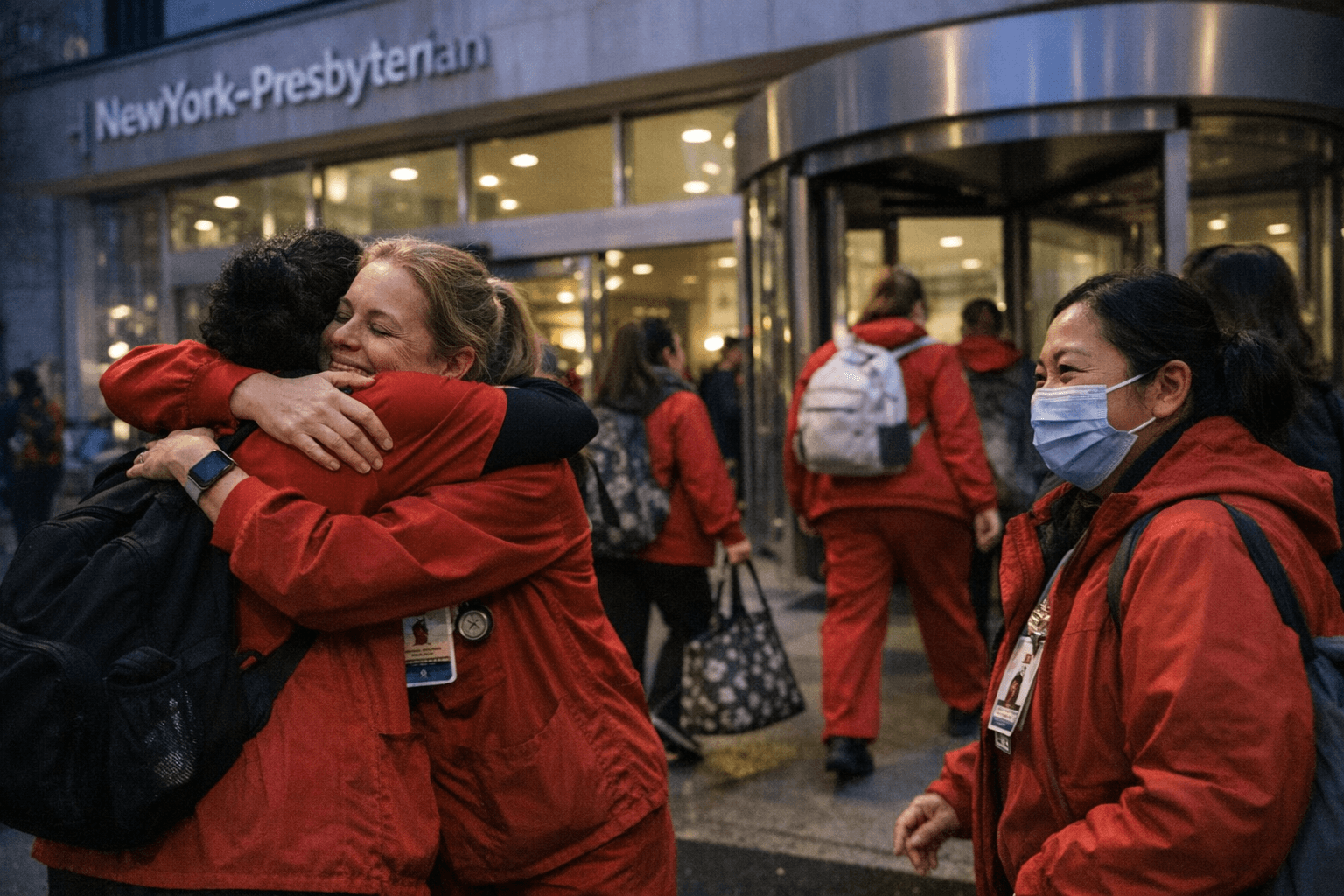
More than 4,000 nurses at NewYork‑Presbyterian returned to work Thursday after the New York State Nurses Association said members ratified a three‑year contract that ended a 41‑day strike that began Jan. 12. The union put the number at roughly 4,200 and said the vote brought an end to the longest and most widespread nurses’ walkout in the city’s recent history.
Union leaders described the agreement as a hard‑won package of staffing and safety protections, including safe‑staffing standards and increases in nurse hiring, workplace violence safeguards, protections for immigrant nurses and patients, and new limits on the use of artificial intelligence in clinical decisions. The contract also includes pay gains the parties and union summaries described as roughly 12 percent over three years, with some reports saying raises top 12 percent across the term.
Nurses at Montefiore and Mount Sinai, who had joined NewYork‑Presbyterian in the coordinated action in January, ratified separate deals earlier in the month and returned to their jobs on Feb. 14. NewYork‑Presbyterian nurses rejected an earlier contract that union leadership had endorsed and pressed for a revised offer that secured the staffing ratios and workplace protections they had demanded, the union said. NYSNA did not provide the full contract text; union leaders say they voted to ratify the revised agreement over the weekend. One local broadcaster reported the yes vote at 93 percent.
Hospitals said they maintained critical services during the strike by hiring thousands of temporary nurses, transferring some patients and canceling select procedures. Hospital officials insisted care, including complex surgeries, continued without interruption, though some patients and families reported longer waits for routine tasks and disruptions in service. Union members had argued the departures reflected chronic understaffing and threatened patient safety, framing the strike as an effort to preserve care quality in strained public‑health settings.
The return to work follows weeks of outdoor picketing in rain, snow and freezing temperatures. “People going to the next week and being like, oh, wow, the boss isn't coming to the table. Or the boss isn't moving. And just having to sit with that, and work through it,” Loudin said. “The only way you can do that is with each other, and in communities.” NYSNA did not supply Loudin’s full title in the statement provided to reporters.
NewYork‑Presbyterian released a statement after ratification saying the contract “reflects our respect for our nurses and the critical role they play as part of our exceptional care teams.” Hospital leaders and the union offered competing portrayals of the dispute: management characterized some union demands as unaffordable, while nurses said the deal was necessary to curb burnout and staffing shortfalls that disproportionately strain public‑facing units and safety‑net care.
Public‑health experts and labor advocates said the settlement could influence staffing policy debates nationwide by linking enforceable staffing standards to contract language and requiring monitoring of workplace violence and technology safeguards. For communities that rely on these hospitals, the agreement promises more consistent nurse availability and potentially shorter waits for routine care, but implementation and enforcement will determine whether the gains translate into measurable safety and equity improvements.
Union and hospital officials said administrative steps would take a few days, and nurses expected a short transition period to complete paperwork and return to regular assignments. Journalists and policymakers will be watching for the contract’s enforcement mechanisms, the precise structure and timing of raises, and whether staffing improvements reduce turnover and improve care in historically underserved units.
This article was produced by Prism’s automated news system from verified source data, official records, and press releases, then run through automated quality and moderation checks before publishing. The system is built and supervised by the people who set the standards it runs under. Read our full AI policy.
Did this article answer your question?