Moscow mayor calls restaurant blast a terrorist attack, 3 dead
Moscow mayor Sergei Sobyanin called the Balzi Rossi blast a terrorist act after three people died and at least 21 were injured in central Moscow.
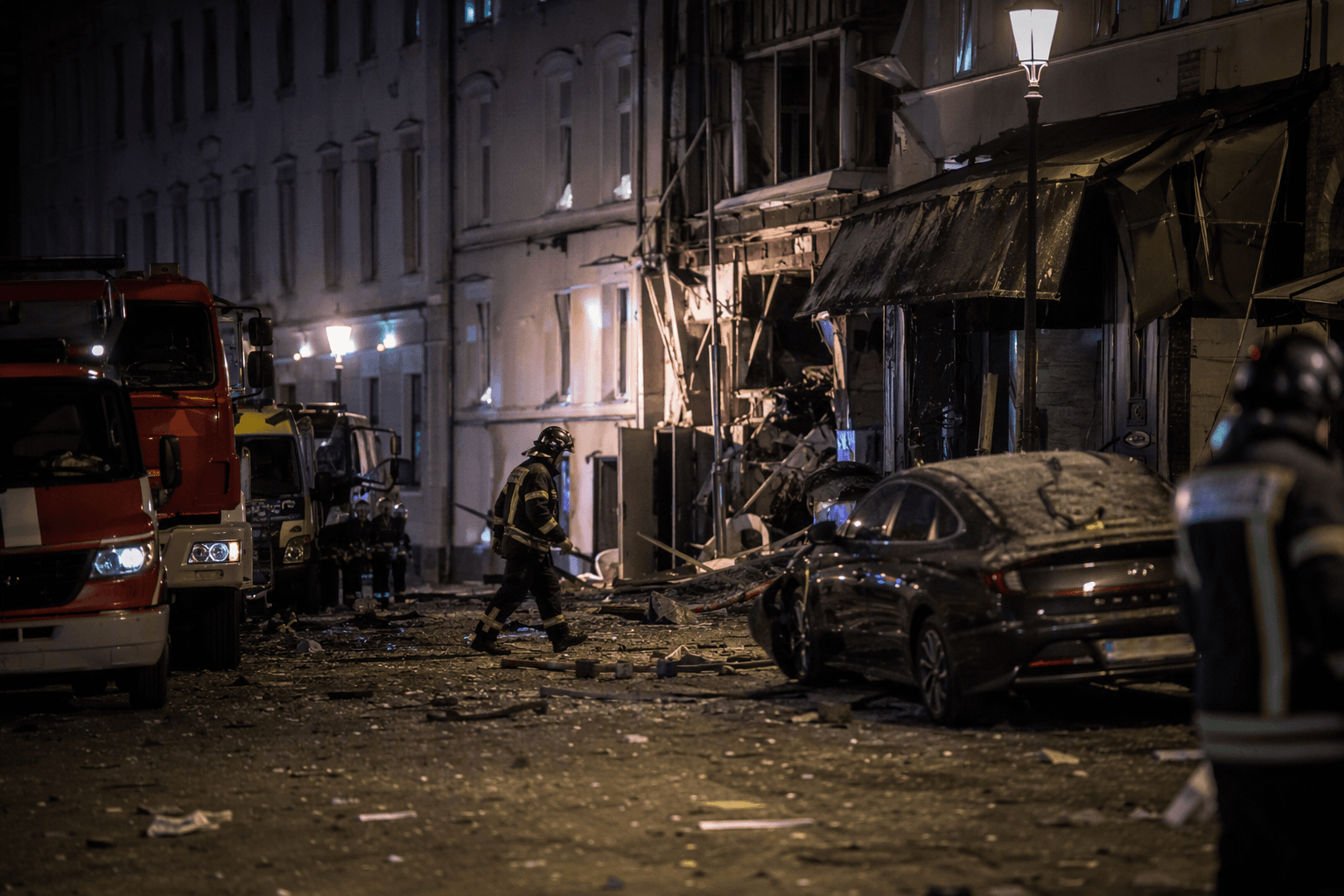
Moscow mayor Sergei Sobyanin called the blast at Balzi Rossi a “terrorist act” and later a “brutal terrorist act” after an explosion on Kudrinskaya Square killed three people and injured at least 21 in central Moscow. The attack struck the upscale Italian restaurant on Saturday evening, and emergency services, police and investigators were seen at the scene the next day.
Russian officials said an improvised explosive device detonated inside the restaurant. Multiple reports said one of the dead was the suspected bomber, described as an unidentified woman. The National Anti-Terrorism Committee said the woman tried to enter a private banquet on the terrace and was stopped by a security guard who became suspicious of the package she was carrying before the device exploded.
The terrorist label matters because it changes the frame around the case. It moves the blast from a routine criminal investigation into a counterterrorism matter, giving authorities broader scope to examine possible accomplices, track explosive materials and widen the inquiry beyond the restaurant itself. It also changes public messaging: instead of describing an isolated explosion, Moscow city officials are now presenting the attack as deliberate violence against civilians in the capital’s center.
Investigators had not publicly said who they believed was the target. That uncertainty leaves open basic questions about whether the device was meant for the banquet, the restaurant, or someone else inside the venue. The unanswered target question is central to the inquiry because it will shape whether officials treat the blast as a targeted attack, a failed assault on a specific person or a broader act of intimidation.
The scene on Kudrinskaya Square also underscored the visible security response that follows such a designation. In a city already marked by heavy policing, the label can justify sharper security sweeps, tighter checks around restaurants and entertainment districts, and a more aggressive public show of control. Sobyanin’s choice of words was therefore more than a description of the blast; it was an early political judgment that Moscow is confronting the attack as a domestic security test, not just a tragic explosion.
This article was produced by Prism’s automated news system from verified source data, official records, and press releases, then run through automated quality and moderation checks before publishing. The system is built and supervised by the people who set the standards it runs under. Read our full AI policy.
Did this article answer your question?