Uganda unveils Entebbe memorial to Israeli raid hero Yonatan Netanyahu
Uganda unveiled a memorial to Yonatan Netanyahu at Entebbe Airport, 50 years after the raid that killed him and freed 102 hostages.
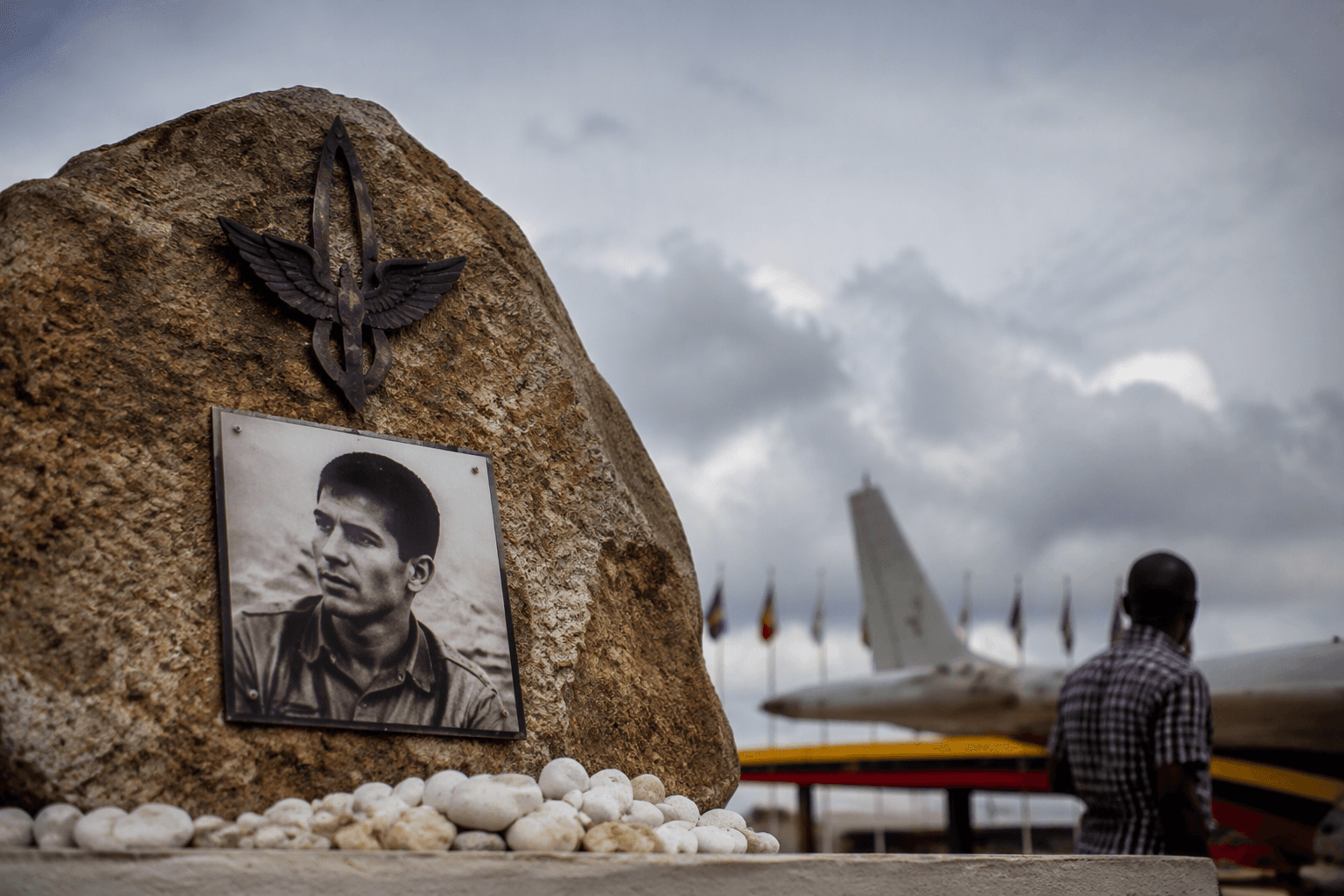
Uganda’s military chief, Gen. Muhoozi Kainerugaba, unveiled a memorial to Yonatan “Yoni” Netanyahu at the Old Entebbe Terminal, placing the tribute at the airport linked to one of Israel’s most famous hostage rescues. The ceremony came 50 years after Operation Entebbe, the raid in which Netanyahu was the only Israeli soldier killed.
Kainerugaba cast the memorial as a diplomatic gesture as well as a commemoration. He described it as a testament to Uganda and Israel’s “enduring friendship, security partnership, and mutual trust,” and said the move was meant to “strengthen our close blood relations with Israel.” The monument honored the Israeli commando commander killed while leading the rescue mission, and one account said it was intended to stand at the exact spot where Netanyahu was shot.
The 1976 raid began after four terrorists hijacked Air France Flight 139 on a route from Tel Aviv to Paris and diverted the plane to Entebbe Airport in Uganda, then ruled by Idi Amin. Israeli commandos launched Operation Entebbe, also known as Operation Thunderbolt, on July 4, 1976, and rescued 102 hostages. Yoni Netanyahu, the older brother of Israeli Prime Minister Benjamin Netanyahu, was fatally shot during the assault as he led the attackers toward the hijacked terminal.
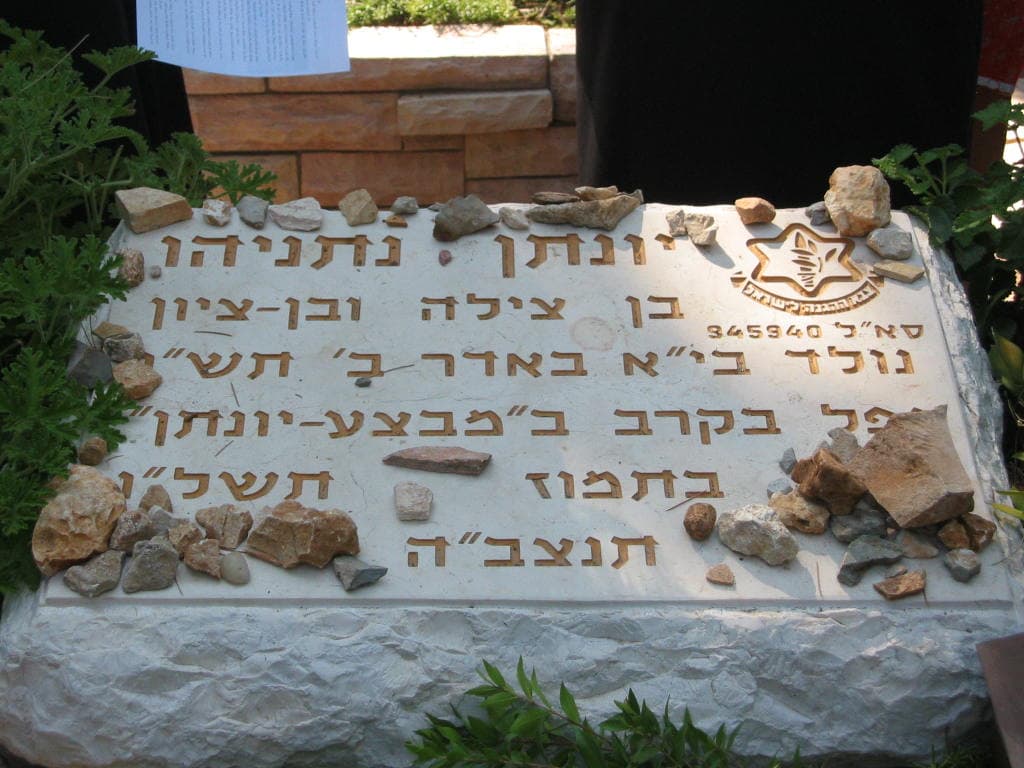
The unveiling pulled the Entebbe operation back into the center of Uganda-Israel relations. The airport site now carries two overlapping histories: the violence of the hijacking and raid, and the attempt by both governments to turn that history into a symbol of cooperation. In a region where hostage rescues and counterterrorism remain politically charged, the memorial gave concrete form to a relationship that Uganda’s military leadership has chosen to present as part memory, part statecraft.
This article was produced by Prism’s automated news system from verified source data, official records, and press releases, then run through automated quality and moderation checks before publishing. The system is built and supervised by the people who set the standards it runs under. Read our full AI policy.
Did this article answer your question?