Moscow Signals Slow Progress, Mixed Messages in U.S. Peace Talks
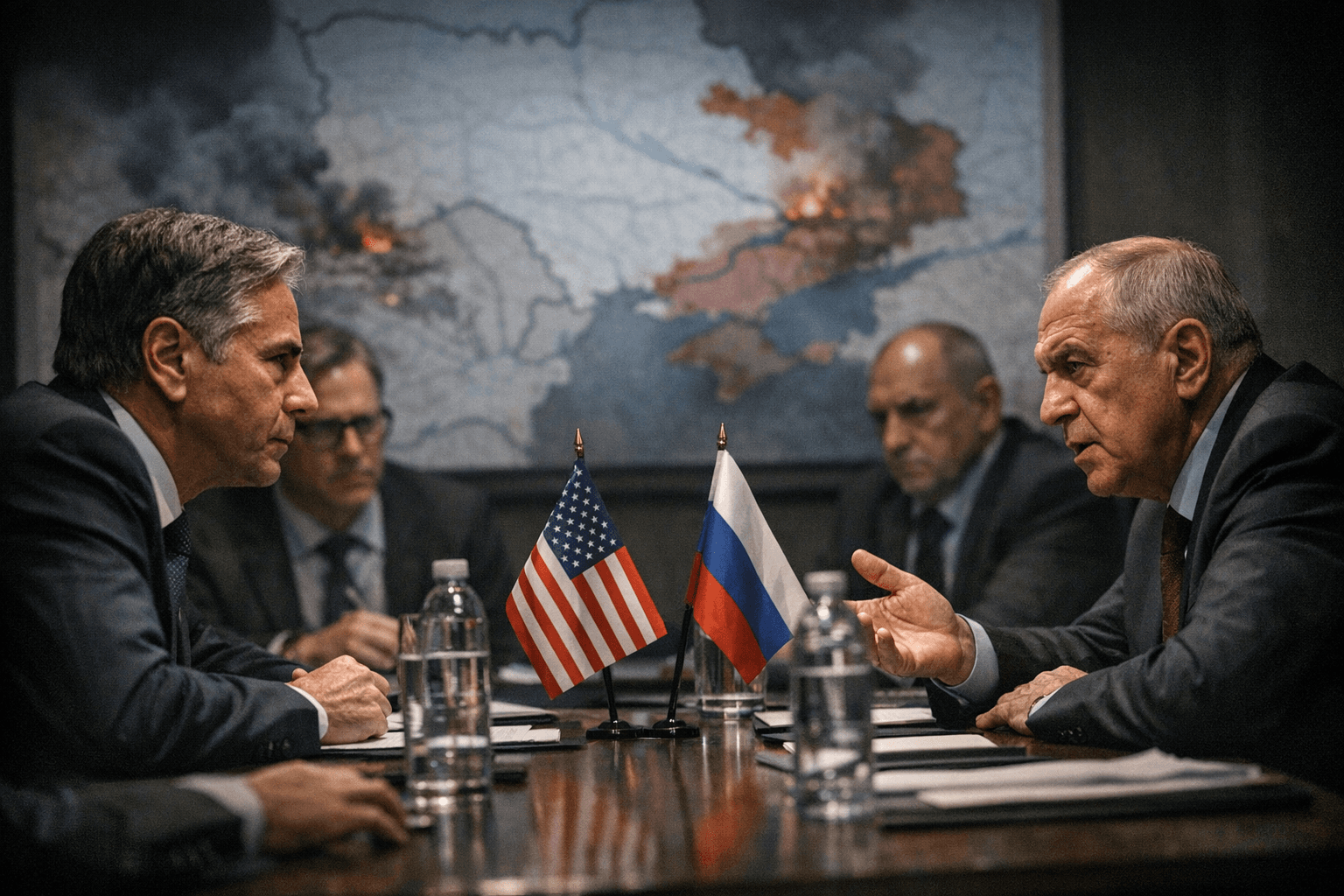
Russia says there is "slow but steady progress" in talks with the United States over a settlement in Ukraine, but Kremlin messaging is uneven as Kyiv, Washington and battlefield events complicate any diplomatic breakthrough. The conflicting public tones inside Moscow and unresolved issues over Donbas and the Zaporizhzhia nuclear plant underscore how fragile a negotiated settlement remains.
Maria Zakharova, the Russian Foreign Ministry spokeswoman, told reporters in Moscow that there has been "slow but steady progress" in the negotiation process with the United States over a settlement of the Ukraine conflict. Her comment, made on December 25, is the clearest positive public remark from the Foreign Ministry amid a stream of more cautious and sometimes critical statements from other Kremlin-aligned voices.
The contrast in tone is stark. A Kremlin official described proposals emerging from the recent exchanges as "rather unconstructive" even as another official identified in state media initially characterized the discussions as constructive. Moscow has in places framed the process as proceeding constructively, but the lack of a unified line reflects internal differences about what concessions can be accepted and how to manage domestic opinion as talks advance.
On the ground, the diplomatic channel exists against continued violence. Ukrainian and other sources report a strike on an ammunition depot in a Russian controlled area of Donetsk, damage to a Russian drone launch site, and that Ukrainian partisans set fire to two Russian jet fighters at a base near Lipetsk, according to Ukrainian military intelligence. These incidents underscore the real time contest over territory and influence that any document must address.
Ukrainian President Volodymyr Zelenskyy has urged that the bilateral document being discussed with the United States be reviewed by the U.S. Congress, with some details and annexes kept classified, and U.S. representatives have reportedly asked for no public release of certain elements. Reported accounts say Ukraine and the United States have agreed on most points of a proposed 20 point plan, yet the status of Donetsk and Luhansk and control over the Zaporizhzhia nuclear power plant remain deeply contentious and unresolved.
Any agreement will have to grapple with a fraught legal and historical record. Earlier efforts such as the Minsk accords required Russia to withdraw foreign armed formations and equipment from Ukrainian territory, commitments that were not fully implemented and preceded further collapse of the framework. Those failures are a live memory in Kyiv and among European capitals, shaping skepticism about Moscow's willingness to abide by future arrangements and complicating trust between the negotiating parties.
The diplomatic choreography also raises questions about the United States role. Washington is serving as a direct interlocutor with Moscow while simultaneously coordinating with Kyiv, a posture that gives it influence but also exposes it to political scrutiny at home. Calls for Congressional oversight of any bilateral document signal potential delay or modification, even if a broad framework emerges.
For now the negotiation remains incremental and opaque. Moscow’s public language of measured progress sits alongside grudging caveats and battlefield reminders of what is at stake. The next steps are likely to hinge on Moscow’s formal response to specific proposals, clarification of the contested items in the 20 point plan, and whether military incidents accelerate or retard political willingness to compromise. International legal obligations, the safety of nuclear facilities, and the durability of any enforcement mechanism will determine whether slow progress can become a sustainable peace.
This article was produced by Prism’s automated news system from verified source data, official records, and press releases, then run through automated quality and moderation checks before publishing. The system is built and supervised by the people who set the standards it runs under. Read our full AI policy.
Did this article answer your question?

