Most Americans oppose ending birthright citizenship, Reuters poll finds
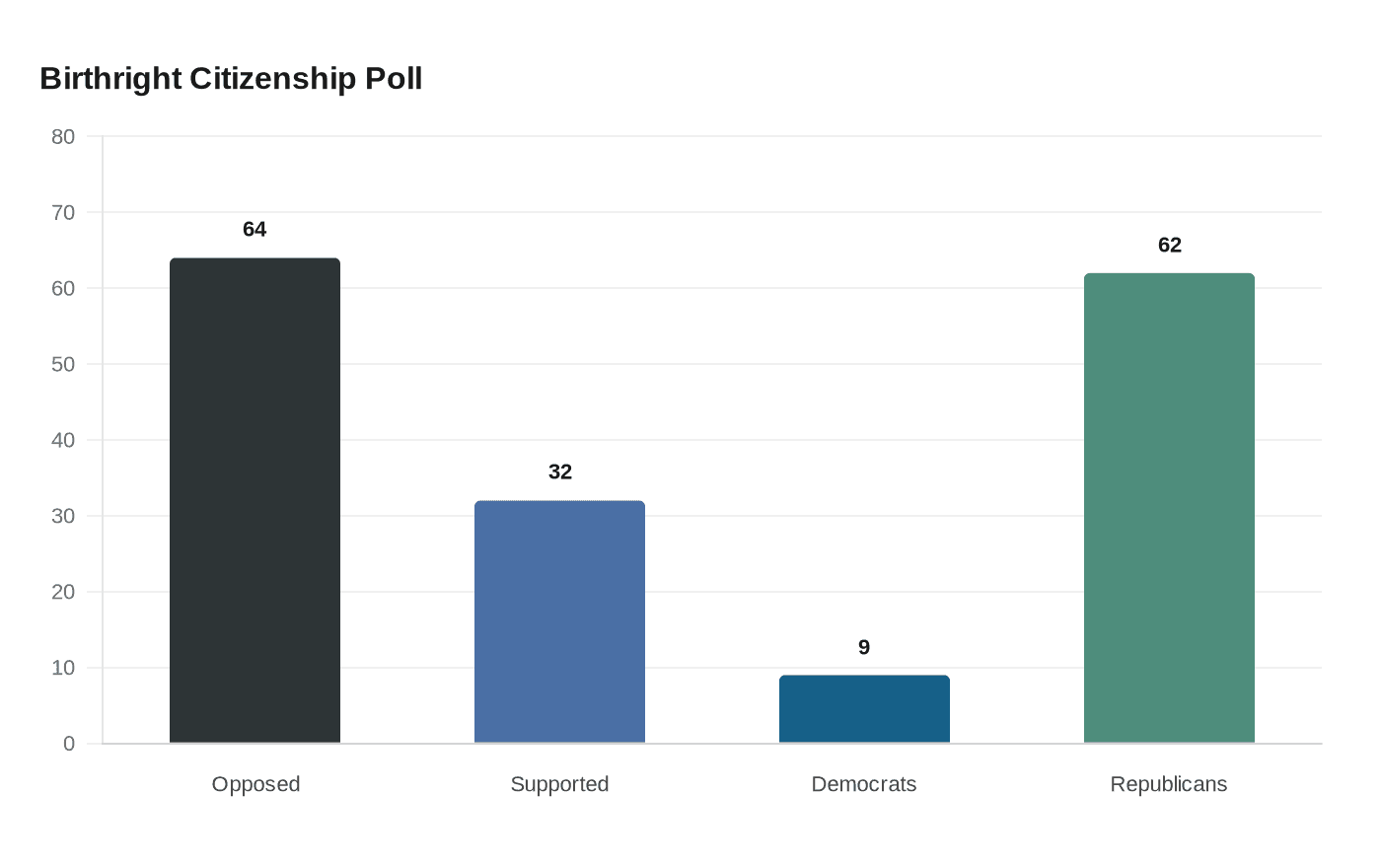
Most Americans rejected ending birthright citizenship as the Supreme Court weighed Donald Trump’s bid, with 64% opposed and 32% in favor.
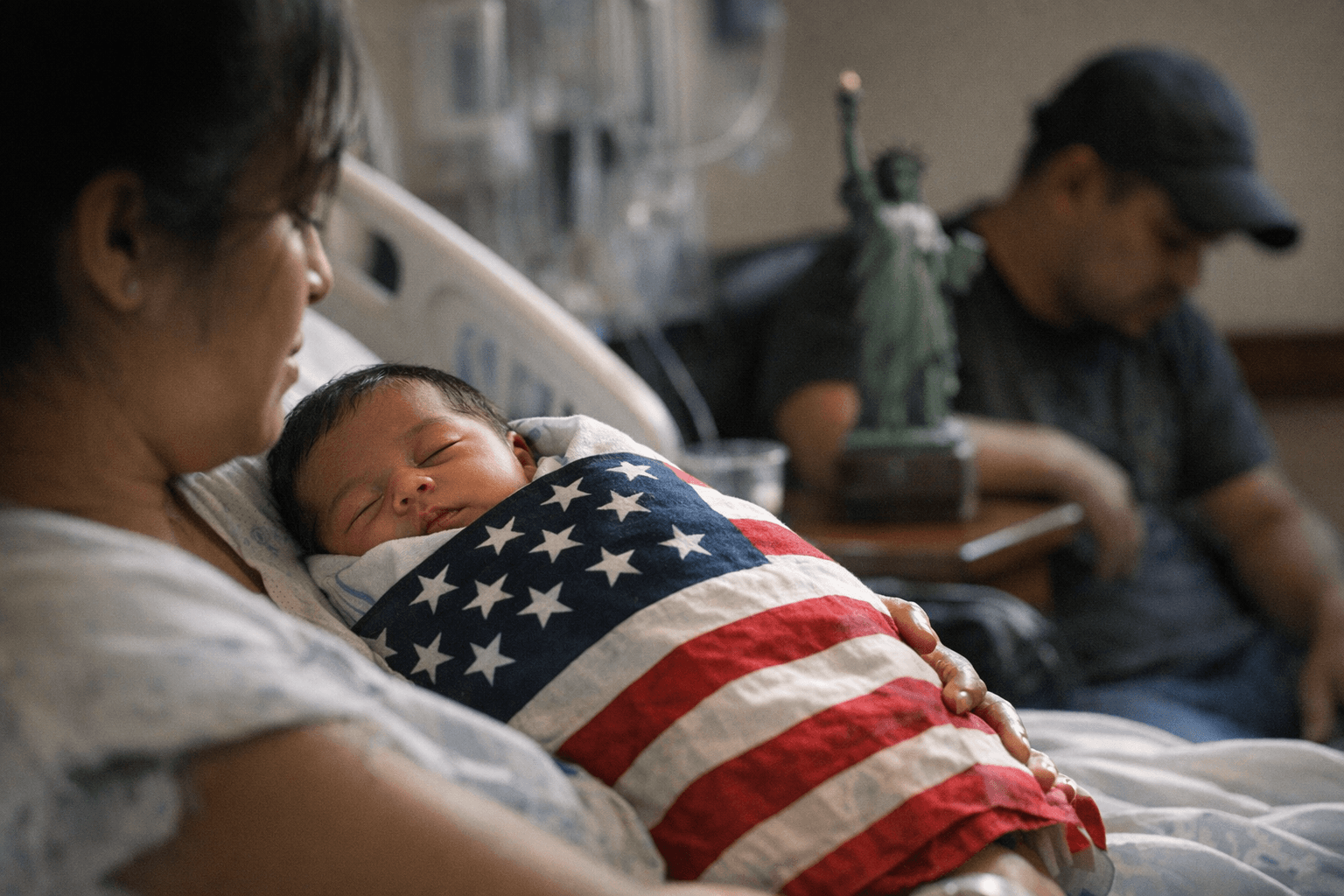
The Supreme Court is about to decide whether to let President Donald Trump narrow birthright citizenship, but the public is already far ahead of him. A national poll found 64% of Americans opposed ending automatic citizenship for babies born in the United States, a divide that could make the case a political liability as much as a constitutional test.
The Reuters/Ipsos survey, conducted April 15 to 20 among 4,557 U.S. adults with a margin of error of plus or minus 1.5 percentage points, found just 32% supported ending birthright citizenship. The split was sharply partisan: 9% of Democrats backed ending the practice, while 62% of Republicans supported it.
The timing raises the stakes. The court heard just over two hours of oral argument in Trump v. Barbara on April 1, and the justices appeared unlikely to side with Trump. Solicitor General D. John Sauer argued for the government, while ACLU National Legal Director Cecillia Wang represented affected children and families. Trump signed the birthright-citizenship order on January 20, 2025, his first day back in office.

At issue is the Fourteenth Amendment’s Citizenship Clause, long read to protect citizenship for children born in the United States regardless of their parents’ immigration status, with narrow exceptions such as children of diplomats. The Supreme Court’s 1898 decision in United States v. Wong Kim Ark is the central precedent. Any ruling upholding Trump’s order would unsettle a basic rule of citizenship and force federal agencies to redraw how they treat newborns whose parents are unauthorized immigrants or in temporary legal status.
That would not be a marginal problem. Pew Research Center reported March 31 that about 9% of U.S. births in 2023 were to mothers who were unauthorized immigrants or had temporary legal status. A ruling that weakens birthright citizenship could therefore affect a substantial number of families, from Social Security paperwork to passports and immigration status for children born on U.S. soil.
The poll also showed that public opinion is not uniformly conservative on the court’s other major social fights. About 67% supported bans on transgender girls and women competing in women’s school and college sports, and 65% backed counting mail ballots postmarked by Election Day even if they arrive days later. With major decisions on those issues also expected, the court’s term is poised to shape not only doctrine but the political landscape heading into the November 3 midterm elections.
This article was produced by Prism’s automated news system from verified source data, official records, and press releases, then run through automated quality and moderation checks before publishing. The system is built and supervised by the people who set the standards it runs under. Read our full AI policy.
Did this article answer your question?

