Most renters, including six-figure earners, say homebuying is out of reach
A new poll finds most renters doubt they could afford a home; median single-family prices more than doubled since 2012, squeezing middle-class milestones.
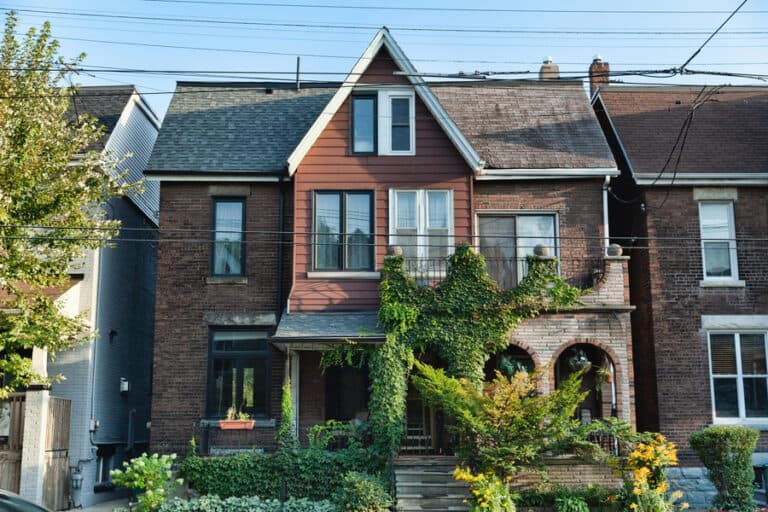
Most renters, including those earning six figures, doubt they could afford a home in the foreseeable future, a new poll finds. The sentiment underscores widening gaps between aspiration and economic reality as housing costs surge and other living expenses climb.
“If starting a family, buying a house, or just thinking about purchasing a car feels impossible, you’re definitely not alone,” Investopedia warned in a recent analysis that frames the poll’s finding within broader affordability trends. The analysis points to a mix of rising prices, weak wage growth and geography as the main pressures reshaping how Americans view traditional markers of middle-class life.
Housing is the clearest, quantifiable pressure. Investopedia reports that “the median U.S. single-family home price over doubled between just January 2012 and January 2026, jumping to $357,275 from $164,000.” That nominal increase, combined with mortgage rate volatility and local cost disparities, has pushed homeownership out of reach for many renters even when household income appears high on paper.
The pain is not limited to housing. Investopedia says that “rising costs, stagnant wages, and where you live all play huge roles in whether big life milestones feel doable, or merely like dreams.” The site also highlights generational differences: “What used to define ‘middle class’ feels further out of reach for Millennials and Gen Z than ever before.” Those cohorts carry disproportionate student debt, delayed family formation and higher exposure to expensive urban housing markets, factors that limit their ability to convert earnings into assets.
The trend aligns with long-run shifts in household composition and income distribution. “The Pew Research Center finds that the middle class now makes up a smaller share of households than it did a generation ago,” Investopedia notes, signaling structural change in the economy that goes beyond short-term price swings. Rising costs for necessities such as groceries, utilities and loans for homes and cars, the analysis adds, “lower how people feel about their standard of living, and how far their money is stretching.”

For markets, persistent renter pessimism could produce a lasting demand gap. If large shares of potential buyers remain sidelined, home sales volumes could stagnate even as prices stay elevated in supply-constrained metros, reinforcing regional disparities. Auto sales and household formation may also be deferred, with knock-on effects for retail, financial services and local tax bases.
Policymakers face a two-sided challenge: stem price pressures where they are most acute and shore up incomes where wages have lagged. The data cited here point to supply-side problems in housing markets and cost-of-living pressures that are not evenly distributed across the country. Without targeted interventions - from zoning reform and construction incentives to income supports and credit access for first-time buyers - the perception that middle-class milestones are unattainable may harden into long-term shifts in consumption, saving and demographic behavior.
The poll’s stark result, that even some high earners who rent see homeownership as unattainable, offers a practical test for policymakers and markets. If housing and living costs continue to outpace incomes, the line between aspiration and possibility for broad swaths of the population will continue to blur, reshaping the economic landscape for the coming decades.
This article was produced by Prism’s automated news system from verified source data, official records, and press releases, then run through automated quality and moderation checks before publishing. The system is built and supervised by the people who set the standards it runs under. Read our full AI policy.
Did this article answer your question?

