Mother’s search for answers leads to daughter’s rare diagnosis
For 18 years, Lucia Adarve lived with collapses, concussions and a stack of diagnoses. Whole-genome sequencing finally pointed to Jordan syndrome.
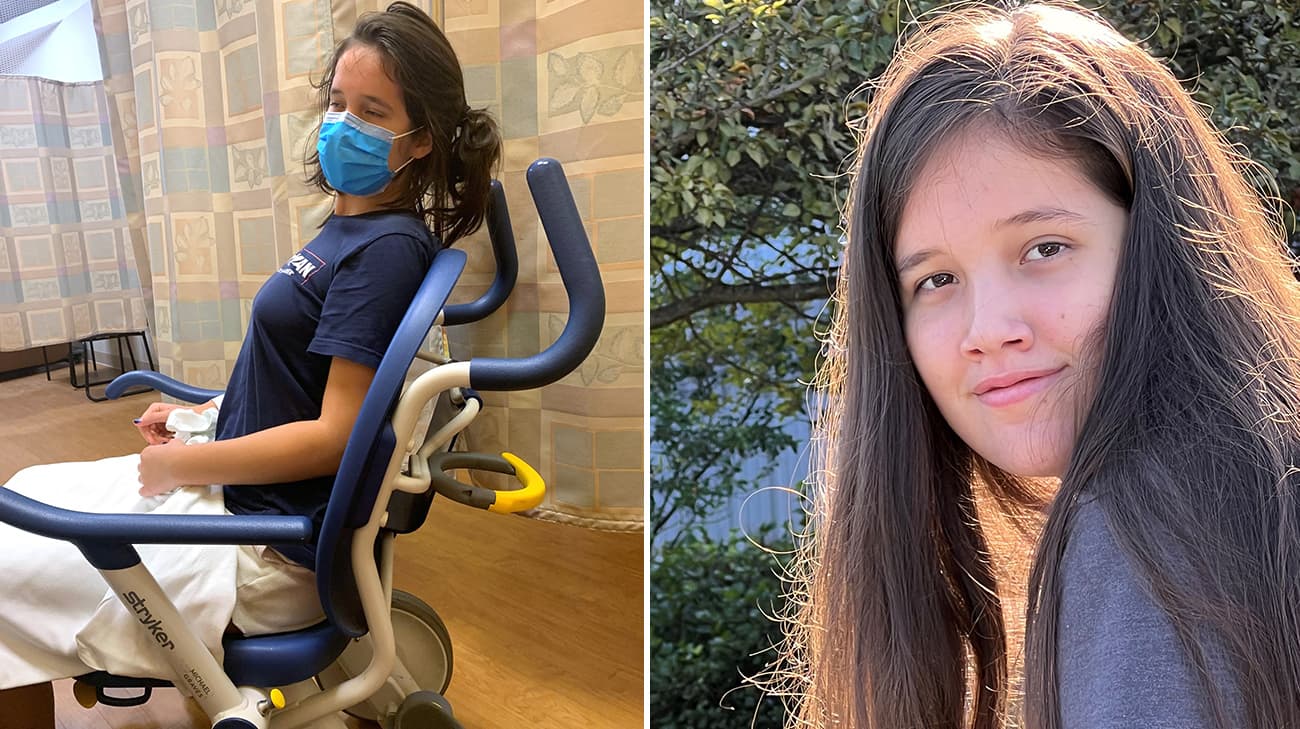
For 18 years, Lucia Adarve lived with symptoms no one could fit into a single diagnosis. The answer came only after nearly two decades of appointments, labels and referrals, when whole-genome sequencing finally identified a rare genetic disorder and gave her family a name for what had been missed.
Lucia’s health problems began shortly after a traumatic birth complicated by hypotonia. She scored low on her Apgar screening, then went on to miss developmental milestones, struggle to crawl and walk, and suffer frequent, unpredictable episodes that led to sudden collapses, concussions and repeated trips to emergency departments. Over the years, she was labeled with epilepsy, lupus, fibromyalgia, ADHD, dyslexia, vasculitis, blood sugar reactions, fructose intolerance, acid reflux, dysgraphia, dyscalculia and neurocardiogenic syncope, yet none of the diagnoses fully explained the pattern.
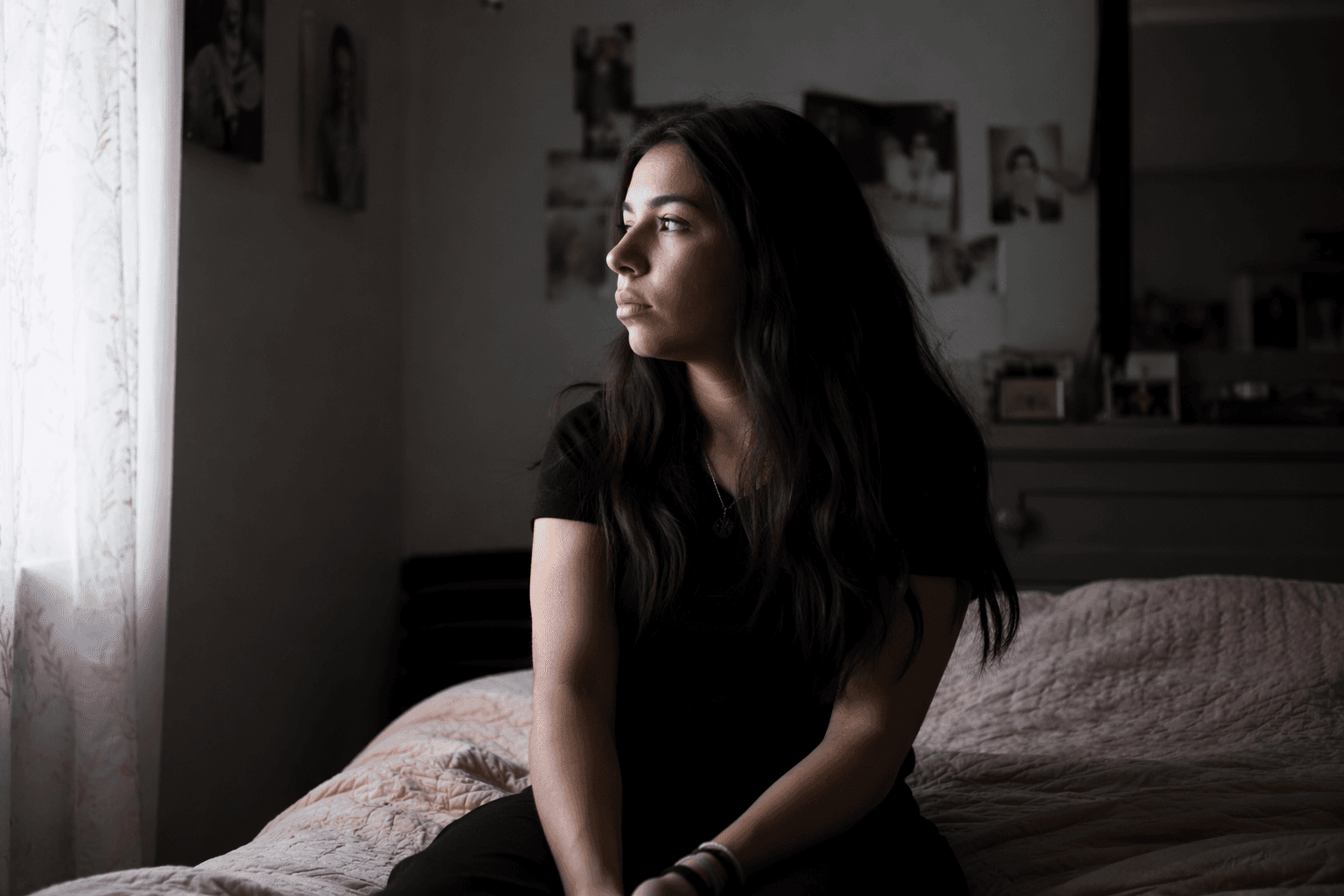
Lisa Adarve Schweikert said the paperwork kept piling up while the illness remained undefined. “Her stack of medical records was getting bigger and bigger,” she said. By third grade, after Lucia failed to thrive at multiple schools, Lisa began homeschooling her daughter and built supports around daily life. She taught Lucia to knit to improve fine motor skills, took her horseback riding to help her balance and even propped up a ladder so Lucia could climb over a backyard wall with her siblings and play in the woods.
The accommodations helped Lucia participate, but they did not solve the underlying medical mystery. She had fainting spells that sometimes caused concussions and injuries, along with balance problems and sensitivity to loud noises and bright lights. She became discouraged by the cycle of appointments and therapies. “No one listened to me. I didn’t see doctors as a good thing,” Lucia said. She said her service dog did more for her than the many clinicians she had seen.
The deadlock began to break in 2025, when Lisa and Lucia met Todd Arthur at Cincinnati Children’s Hospital Medical Center. Arthur spent time listening, reviewed pages of diagnoses and referred them to Cleveland Clinic’s Undiagnosed Disease Clinic. The clinic is designed for patients with congenital conditions or childhood-onset severe developmental delay, intellectual disability or intractable epilepsy, and it uses whole-genome sequencing, which can examine more than 20,000 genes.
That testing found a mutation in Lucia’s PPP2R5D gene, leading to a diagnosis of PPP2R5D-associated neurodevelopmental disorder, also known as Jordan syndrome. Adnan Alsadah, founder and director of the clinic, said the goal is to help patients who spend years moving from specialist to specialist before getting an answer. Cleveland Clinic says fewer than 500 cases of Jordan syndrome have been confirmed worldwide, while rare diseases collectively affect more than 25 million Americans and more than 7,000 rare diseases have been identified.
For Lucia and her mother, the diagnosis did more than explain a medical history. It exposed how easily complex, rare conditions can be obscured by fragmented care, delayed referral and years of treating symptoms as separate problems instead of one underlying disease.
Know something we missed? Have a correction or additional information?
Submit a Tip