Mother’s swelling and rising blood pressure led to rare cancer diagnosis
Years of swelling, rising blood pressure and missed signals ended in a multiple myeloma diagnosis after Cleveland Clinic biopsies found cancer in Michelle Williams' blood and kidneys.
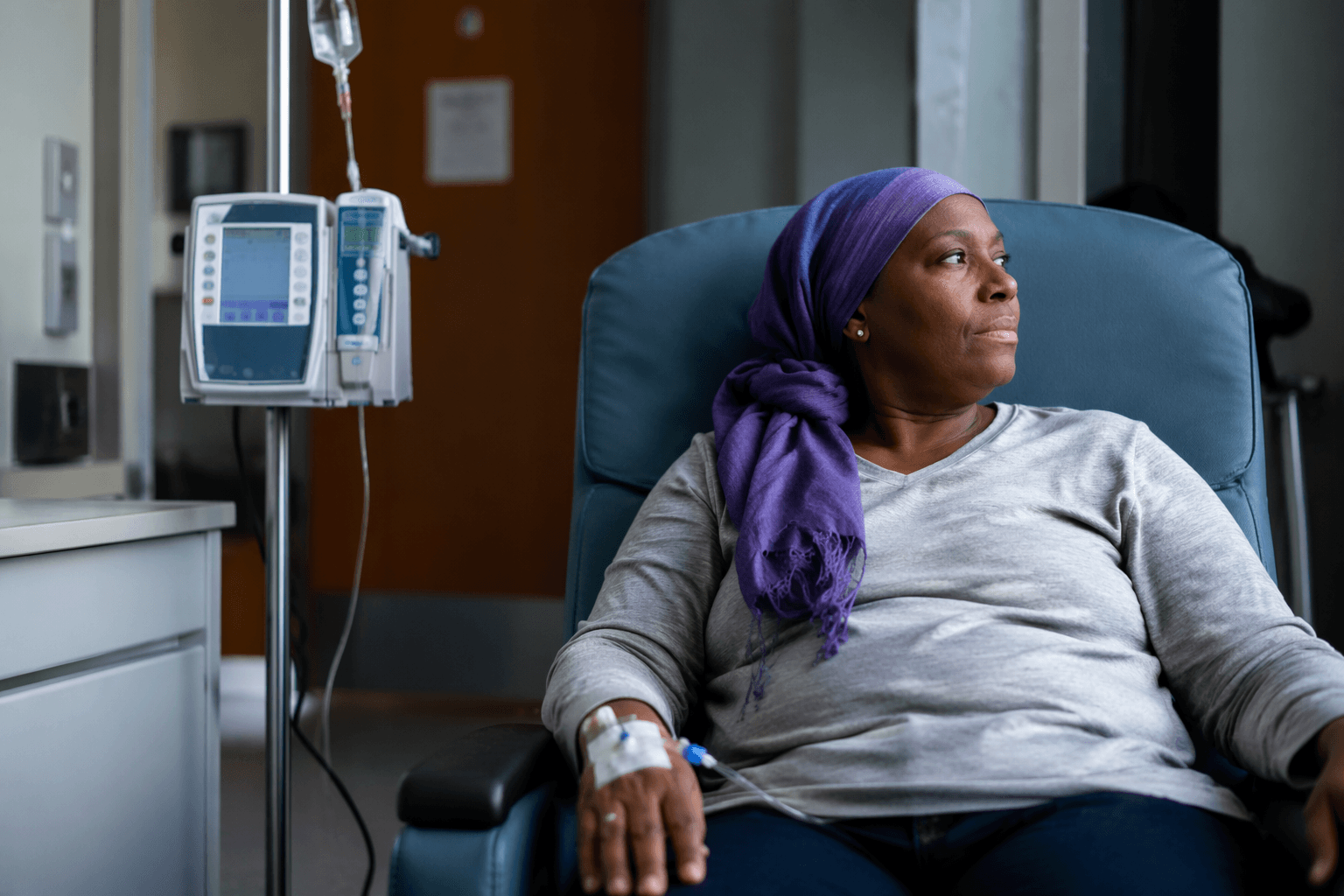
Bone marrow and kidney biopsies followed within 24 hours after Michelle Williams’ escalating blood pressure and swelling led to a July 2023 Cleveland Clinic evaluation and a multiple myeloma diagnosis. The mother of two then spent nearly six months on chemotherapy and immunotherapy after doctors found abnormalities in her urine and bone marrow.
Williams first noticed elevated blood pressure during the COVID-19 pandemic while she and her husband were renovating a farmhouse they had recently bought. At first, she treated the changes as stress and her doctor recommended only minor lifestyle adjustments. But the symptoms kept worsening. Her feet swelled enough that she had to buy larger shoes, and the swelling later moved into her ankles and legs. She also felt fatigued and woke up more often to use the bathroom.
By June 2023, Williams had reached a nephrology appointment that ended without a diagnosis. A physician assistant told her to lower her blood pressure and return in six months. Williams left feeling that something was wrong and that she had not been taken seriously.
A month later, she sent her records and a plea for help to Cleveland Clinic in Cleveland, Ohio, where her father-in-law had once undergone a kidney transplant. The clinic scheduled two full days of appointments, and blood work immediately raised concern. Dr. Jagmeet Dhingra, the Cleveland Clinic nephrologist involved in her care, said the lack of improvement forced doctors to ask what else they were missing. Bone marrow and kidney biopsies followed within 24 hours, and the tests pointed to multiple myeloma.
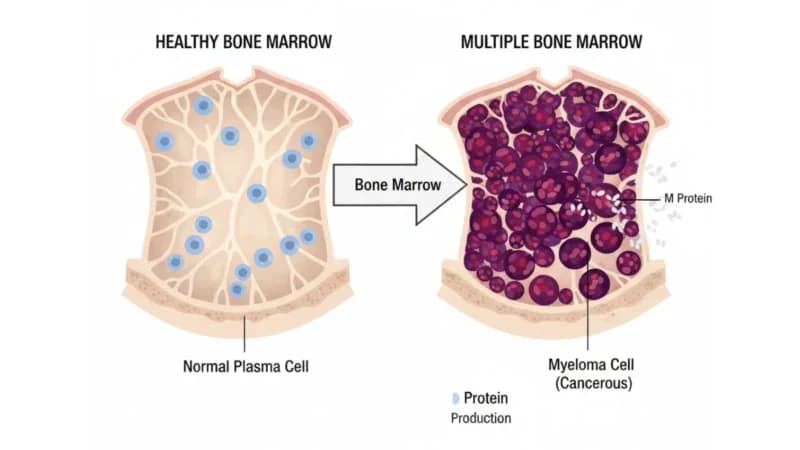
Multiple myeloma is a rare blood cancer that begins in plasma cells, a type of white blood cell. The disease can damage blood, bone and tissue, including the kidneys, and kidney injury can cause swelling that may not be obvious at first. Some people have no symptoms early on, while others develop weakness, infections or other subtle problems. In Williams’ case, the warning signs were there for years: rising blood pressure, fluid retention, fatigue and urinary changes that did not fit neatly into a routine hypertension visit.
This article was produced by Prism’s automated news system from verified source data, official records, and press releases, then run through automated quality and moderation checks before publishing. The system is built and supervised by the people who set the standards it runs under. Read our full AI policy.
Know something we missed? Have a correction or additional information?
Submit a Tip