MPs call for PFAS ban in school uniforms and non-stick pans
MPs want PFAS phased out of school uniforms and frying pans, as ministers face pressure to back bans, labelling and safer substitutes.

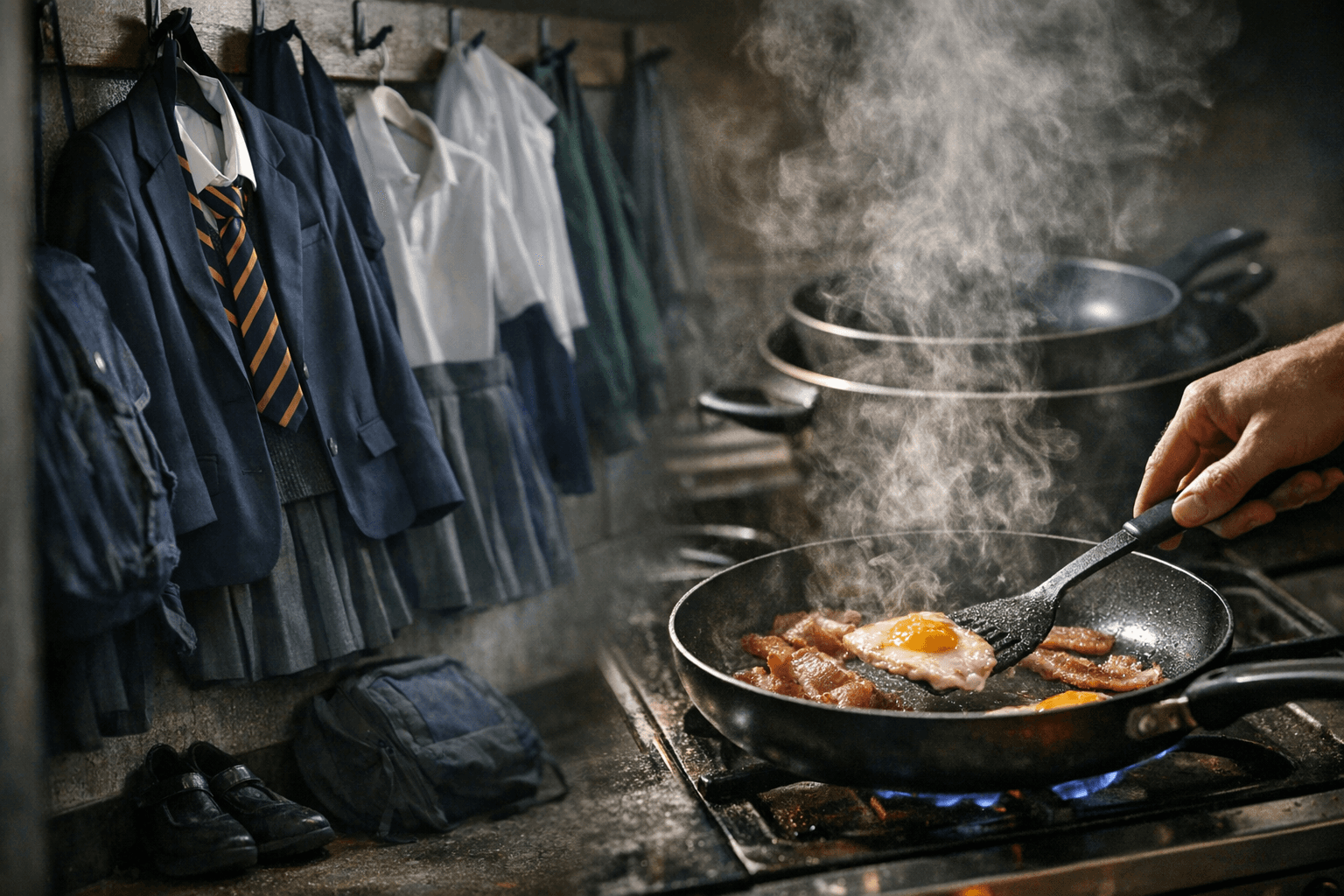
The pressure is now on the products families touch every day: school uniforms, frying pans, waterproof coats and food packaging. MPs on the Environmental Audit Committee have argued that PFAS, a family of more than 14,000 man-made chemicals, should be driven out of ordinary household goods because they do not break down easily and can build up in the environment and in people’s bodies for decades.
The committee opened its PFAS inquiry on 10 April 2025 and has heard evidence that the chemicals may be linked to decreased fertility, developmental delays in children, certain cancers and immune system suppression. PFAS are already used across cookware, cosmetics, waterproof clothing, food packaging and firefighting foam, which makes the issue especially hard to contain once the chemicals enter supply chains and waste streams.
Ministers have begun to respond. The government published its first PFAS Plan on 3 February 2026, describing it as a cross-government, science-led approach aimed at understanding sources, tackling spread through regulation and industry support, and reducing exposure. One action in the plan says the Department for Education should review guidance for schools on buying uniforms and recommend PFAS-free alternatives, a sign that Whitehall now sees classrooms as part of the problem as well as part of the solution.
Parliament has already pushed further. In July 2025, Amendment 202A to the Children’s Wellbeing and Schools Bill proposed banning PFAS in school uniforms within three months of the Act coming into force. It also would have required producers to provide a digital product passport listing the chemicals used in each item. The amendment’s explanatory statement said branded school uniform items should not contain PFAS and that non-branded items should disclose whether PFAS had been used, a move designed to make hidden chemical use visible to parents and schools.
The question now is how far regulation should go, and how it would be enforced. The European Food Safety Authority says PFAS can enter food through water, fish, shellfish, plants, animals, processing equipment and packaging, and has set a tolerable weekly intake of 4.4 nanograms per kilogram of body weight for a group of four PFAS in food. The World Health Organization began work on PFAS drinking-water guidance in 2017, underlining how long regulators have been grappling with the problem.
Industry evidence to Parliament has warned against a blanket restriction, arguing that fluoropolymers used in cookware and other products provide resistance to heat, water, oil and chemicals and can support durability and safety. That leaves ministers weighing a familiar trade-off: whether to keep relying on chemicals built into everyday goods, or to accelerate a switch to PFAS-free alternatives that can be identified, procured and enforced at scale.
This article was produced by Prism’s automated news system from verified source data, official records, and press releases, then run through automated quality and moderation checks before publishing. The system is built and supervised by the people who set the standards it runs under. Read our full AI policy.
Did this article answer your question?

