Munich Airport halts flights after smoke smell evacuates control tower
A smoke smell in Munich Airport’s control tower forced a nearly two-hour shutdown, delaying and diverting flights. Firefighters found no fire, and the cause was traced to a technical malfunction.
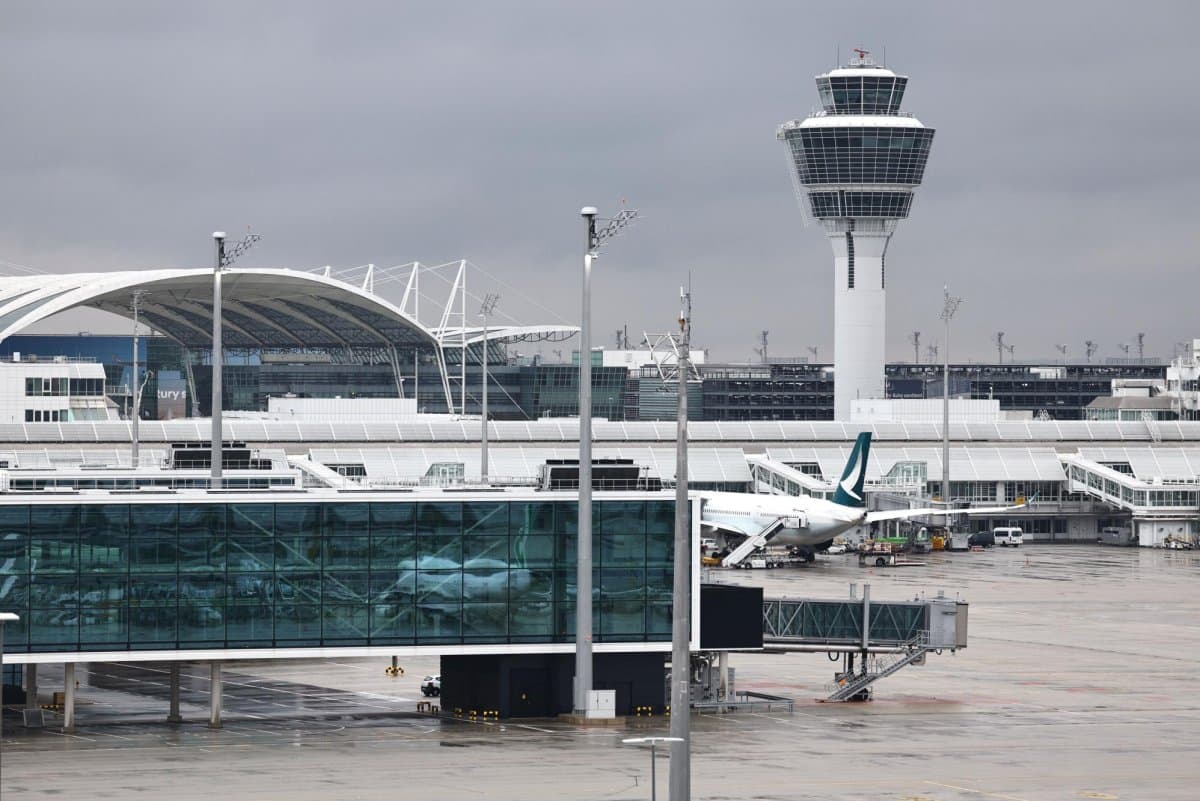
A smell of smoke in Munich Airport’s control tower was enough to stop takeoffs and landings for nearly two hours, briefly freezing one of Germany’s busiest aviation gateways. The tower was evacuated at 8:33 p.m. local time on June 7, and flight operations resumed at 10:15 p.m. after the fire department gave the all clear.
Firefighters found no fire and no visible smoke in the tower. Airport officials said the odor came from a technical malfunction that had already been solved, turning what first looked like a possible fire emergency into a precautionary shutdown built around safety rules rather than damage or flame.
Even a short interruption at a hub like Munich can ripple fast through the network. Some inbound and outbound flights were delayed, while others were diverted as German Air Traffic Control and airport staff worked through the closure. When the tower is evacuated, the airport cannot safely coordinate sequencing, gate use, ground movements, or arrival slots, which means disruption can spread well beyond the minutes the building is empty.
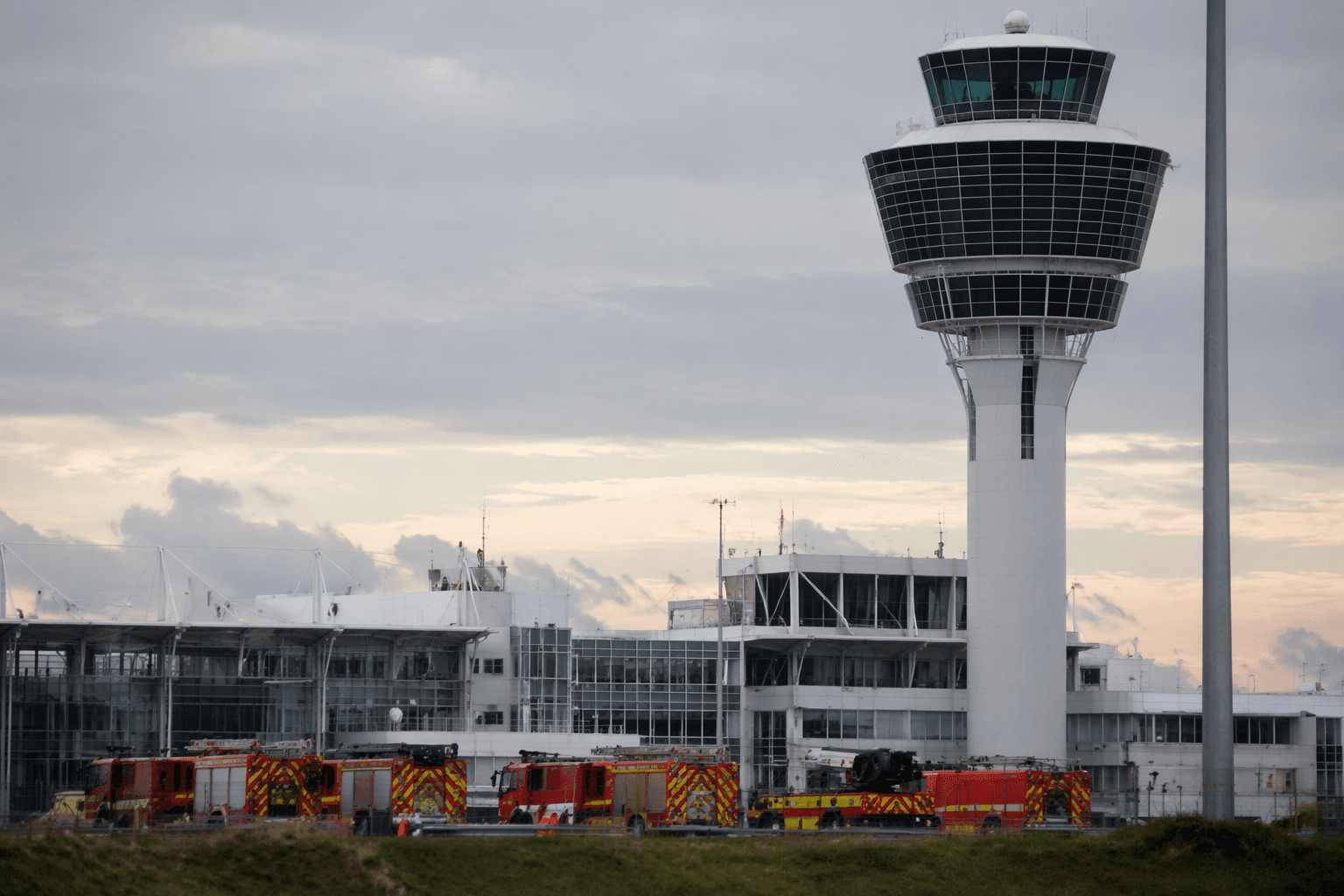
The episode also highlighted how conservative aviation safety procedures are when a control center may be at risk. Officials treated the smoke smell as serious enough to suspend operations immediately, a response that can protect staff and passengers but also leaves airlines scrambling to protect connections and crew schedules. Once service restarted, the backlog did not disappear at the same pace as the smell, and travelers were warned to expect continued delays.
Munich Airport’s scale explains why the incident mattered beyond Bavaria. It is Germany’s second-busiest airport after Frankfurt and, according to its 2025 traffic report, defended tenth place among Europe’s busiest airports for a second straight year. One 2025 traffic report put its passenger count at about 43.4 million, a reminder that even a brief control tower evacuation can affect a very large share of Europe-bound traffic.

The shutdown came only about a week after another disruption on May 30, when pilots reported a drone sighting and the airport briefly halted flights again. Taken together, the two incidents show how a major hub can be thrown off by very different triggers, one in the airspace and one inside the control tower, and how quickly contingency planning is put to the test when operations are under strain.
This article was produced by Prism’s automated news system from verified source data, official records, and press releases, then run through automated quality and moderation checks before publishing. The system is built and supervised by the people who set the standards it runs under. Read our full AI policy.
Did this article answer your question?


