Mushers and Arctic Communities Keep Sled-Dog Racing Thriving Despite 2026 Olympic Exclusion
Sled-dog racing remains vibrant across Arctic communities despite being left off the 2026 Olympic program; mushers and local networks keep teams, traditions, and events alive.
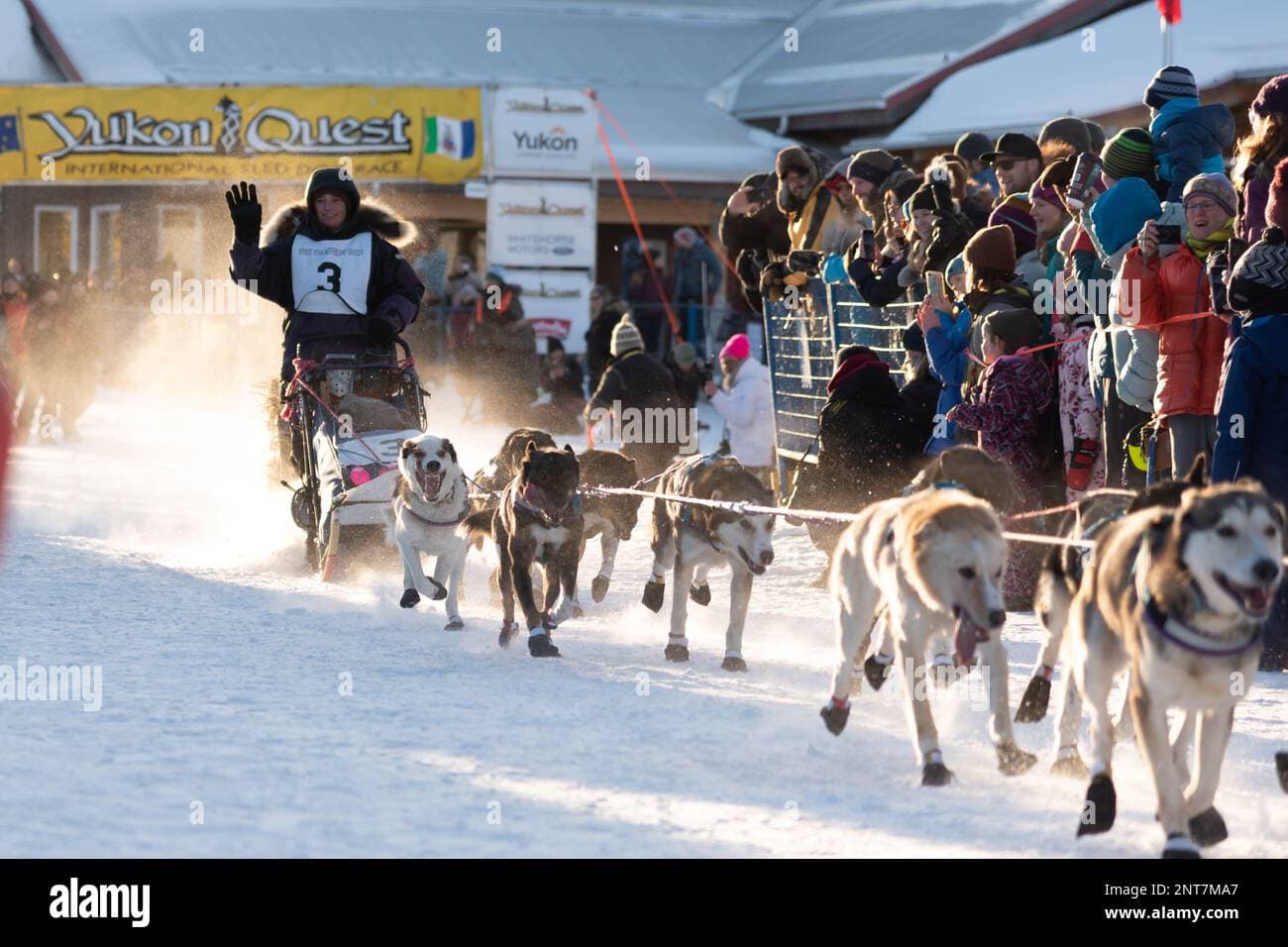
Sled-dog racing did not make the 2026 Winter Olympic program, but the sport is far from over. Mushers, handlers, and Arctic communities continue to run dog teams, host local circuits, and pass on trail skills that date back generations, keeping mushing a living tradition rather than a museum piece.
A Feb. 3 profile traced the arc of modern sled-dog racing from its roots to the present and reminded readers that sled dogs were a demonstration sport at the 1932 Winter Games. That long history matters to people who live and work on the trail: racing ties together subsistence skills, tourism income, and community gatherings. For towns where dog yards and checkpoints are part of the winter landscape, exclusion from a global event does not erase the social and economic value of teams and races.
Practical effects are immediate and local. Without Olympic attention, funding streams tied to international visibility may tighten, but grassroots funding, sponsorships from local businesses, and volunteer networks fill gaps. Mushers focus on regional calendars, endurance training, kennel management, and dog health. Lead dogs and team dynamics remain the core of competition and community identity, and handlers continue to emphasize humane care, seasonal conditioning, and injury prevention to keep teams fit for long trails and sprint courses alike.
Community relevance shows up in how races are organized and experienced. Local race directors prioritize accessible entry fees, family-friendly checkpoints, and volunteer-run timing to keep events inclusive. Visitors who travel north for a race bring lodging, dining, and local commerce, support that sustains small towns even when global spotlight is elsewhere. For mushers, maintaining visibility means hosting demo runs, youth clinics, and open kennel days to recruit the next generation of handlers and fans.
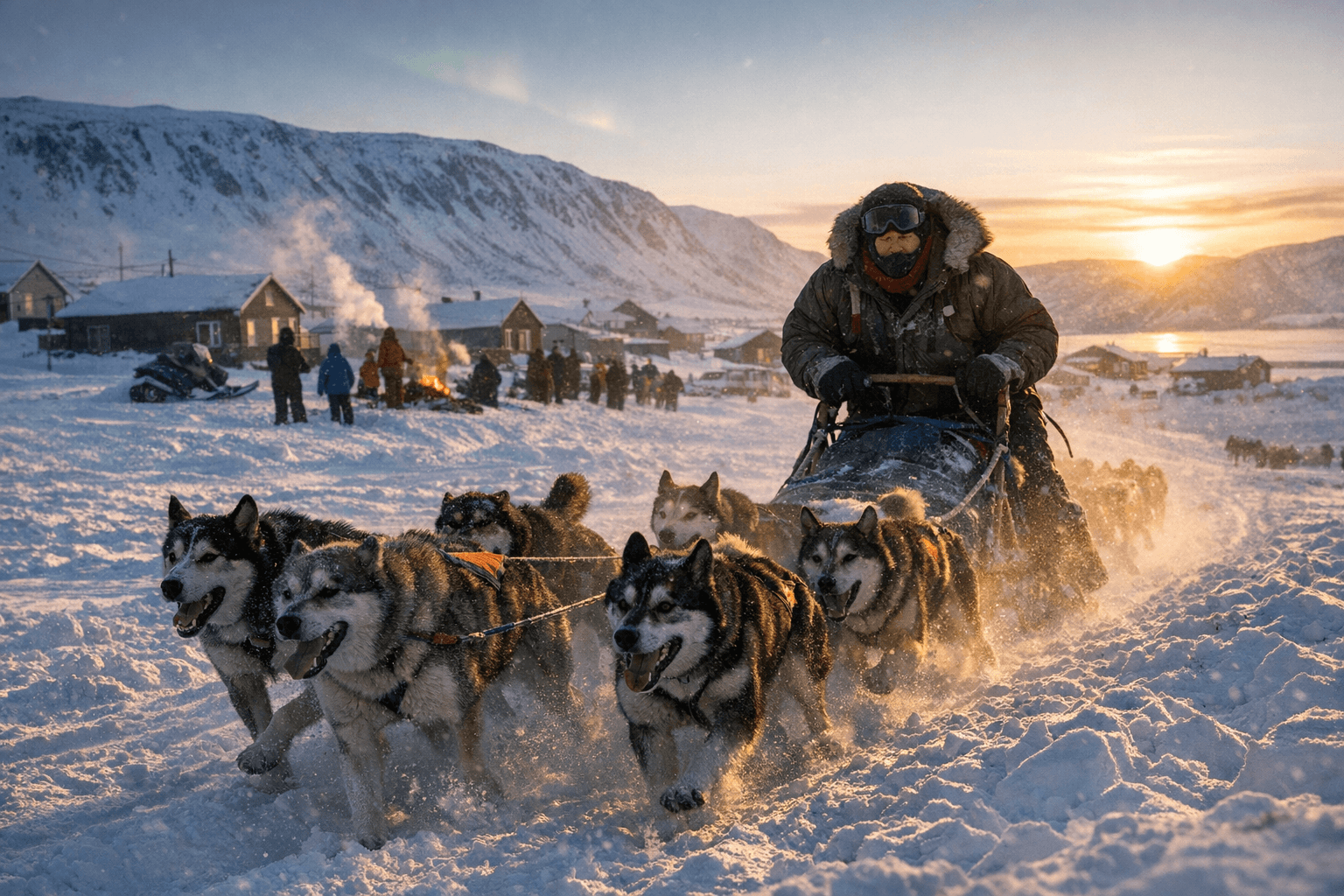
For readers who want to engage, attend a regional race, volunteer at a checkpoint, or offer services to a musher. Gear clinics, trail etiquette workshops, and dog-welfare fundraisers are practical ways to help. If you travel to a race, respect handlers’ schedules, bring warm layers, and learn basic commands so you can safely interact with teams at a distance.
Sled-dog racing’s absence from the 2026 Olympic program alters the narrative but not the heartbeat of the sport. The next season will show how regional leadership, community funding, and everyday mushers adapt; expect more local innovation, renewed focus on dog health, and continued celebration of the unique partnership between humans and dogs that keeps mushing alive.
Know something we missed? Have a correction or additional information?
Submit a Tip