Musk Denies Reports SpaceX IPO Would Exclude Robinhood, SoFi
Musk called reports "false" that SpaceX's IPO would shut out Robinhood and SoFi, but the episode exposed how little retail investors know about who controls access to blockbuster offerings.
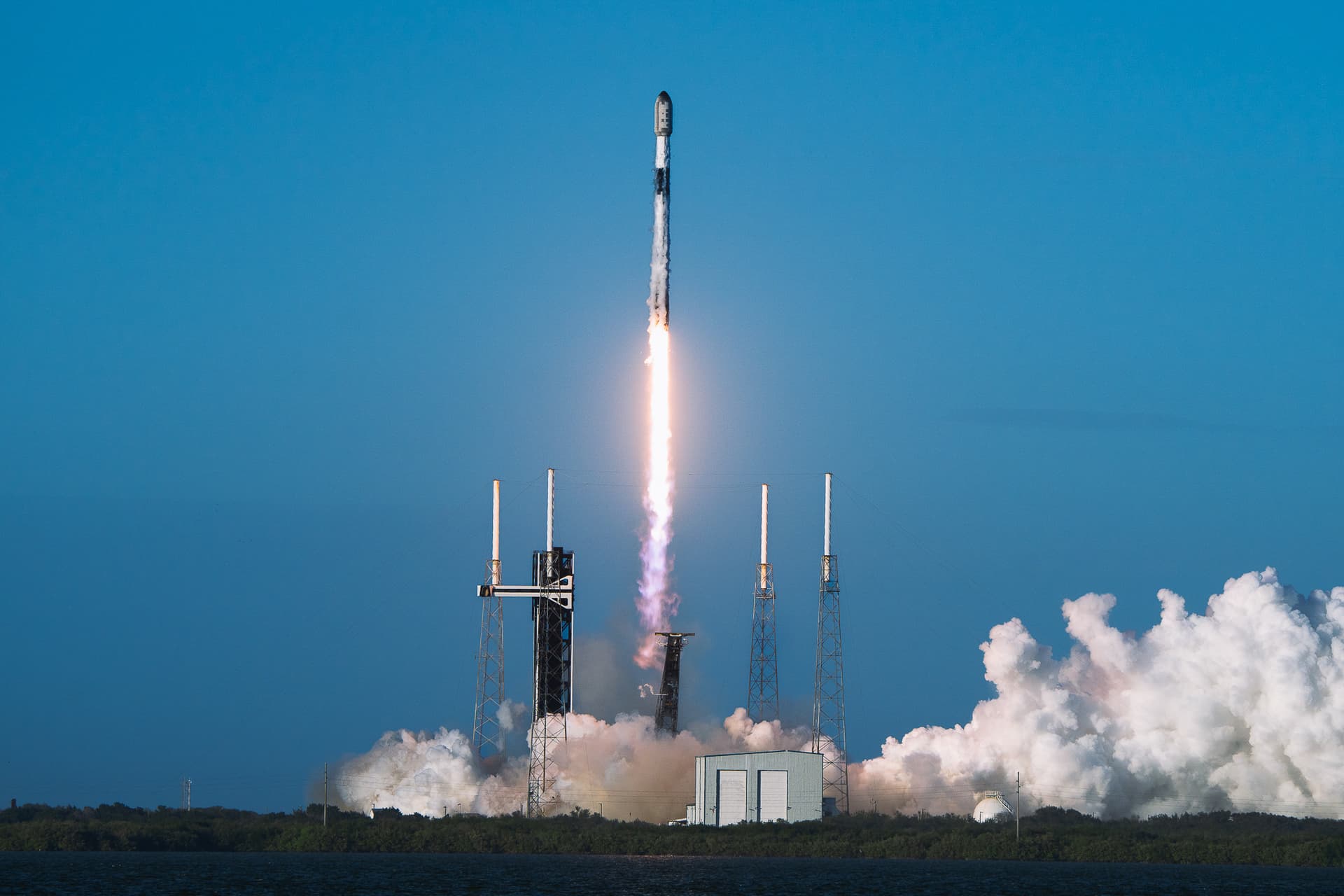
Elon Musk moved swiftly to contain a damaging narrative about SpaceX's planned IPO, posting "These reports are false" on X on March 31 in response to reporting that Morgan Stanley's E*Trade unit was in talks to serve as the exclusive retail distribution channel for what may become the largest public offering in history. The denial, arriving just one day after the original Reuters story circulated widely, was enough to stabilize share prices for Robinhood Markets and SoFi Technologies, both of which had dropped sharply on the news. Robinhood fell roughly 2%, hitting $64.72, while SoFi slid 1.08% to $15.06 before Musk's post appeared.
The underlying story, however, is less about a single social media correction and more about who controls the on-ramp to a $1.75 trillion listing. SpaceX has reportedly assigned distinct distribution roles to several major banks. Bank of America is handling family offices and high-net-worth U.S. investors. UBS is managing global distribution. Citigroup is expected to cover a mix of institutional and international retail clients. Morgan Stanley, one of the lead underwriters, would route smaller individual investors through its E*Trade platform. SpaceX CFO Bret Johnsen has already communicated this basic structure to Wall Street.
What remains unresolved is whether Robinhood and SoFi, which both actively pitched for roles, will receive any formal distribution allocation at all. That ambiguity is precisely what the Reuters report exploited, and precisely what Musk's two-word denial failed to address. Musk did not confirm which platforms would be included, who is making those decisions, or what disclosure retail investors can expect before shares begin trading.
The stakes are unusually high because SpaceX is reportedly planning to allocate as much as 30% of its offering to retail investors, a figure that dwarfs the typical 5% to 10% retail slice in a conventional IPO. Musk's stated goal is to encourage longer-term ownership rather than the fast institutional sell-offs that often follow strong opening days. That ambition puts the brokerage selection decision in a different category entirely: at 30%, the choice of which retail platforms participate directly shapes which segment of the investing public gets access at IPO prices, and which gets locked out until the secondary market opens, often at a significant premium.
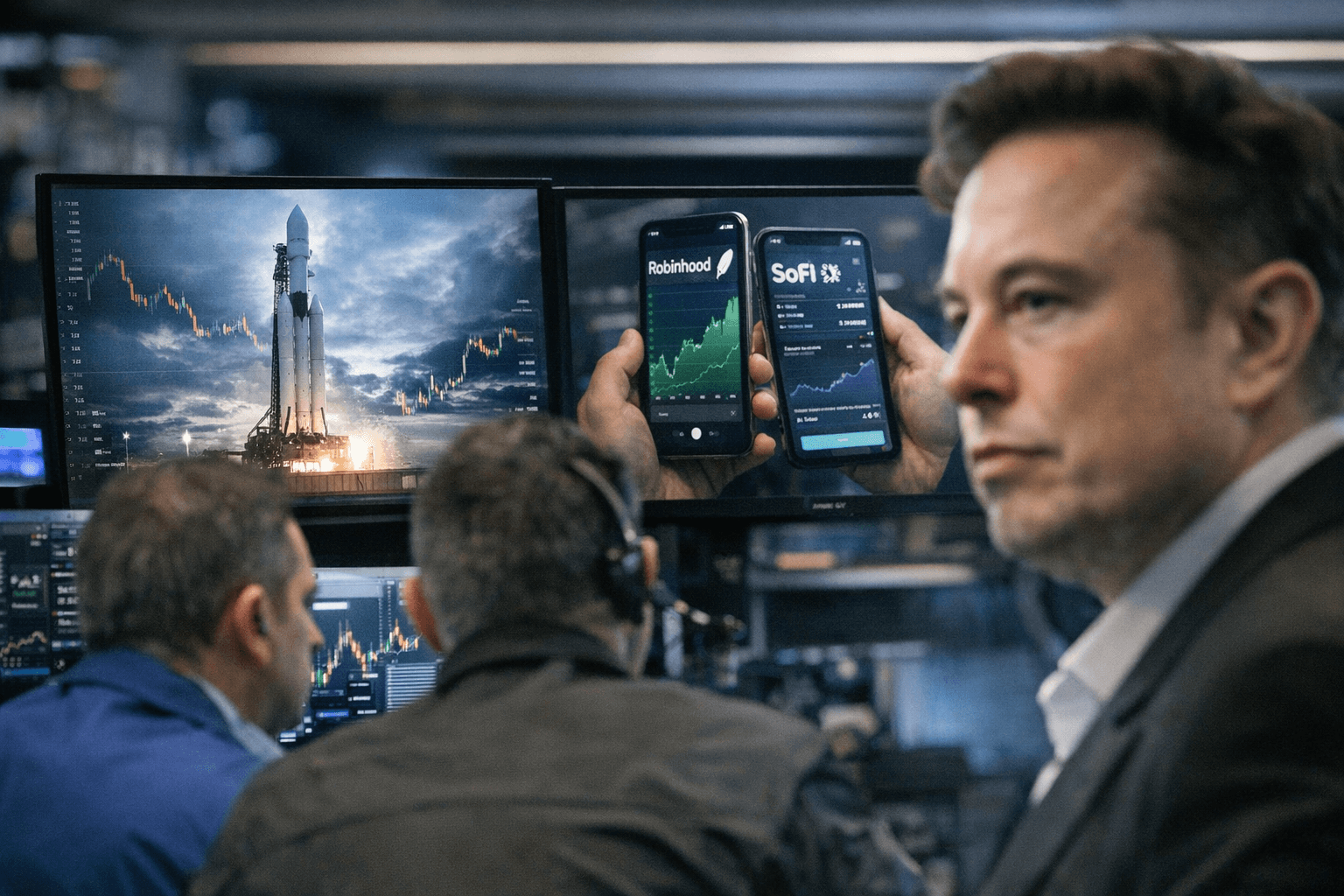
For Robinhood, the exclusion risk carries quantifiable consequences. The platform reported 27.4 million funded customers and $314 billion in total platform assets as of February 2026. Being part of the SpaceX listing at the IPO price would represent a major user engagement event; being left out would mean watching a competitor capture that moment and the order flow attached to it. SoFi faces a parallel calculus, having spent years positioning itself as a full-service financial platform capable of competing with traditional brokerages on high-demand product access.
The episode also surfaces a persistent structural problem in mega-IPO mechanics: the allocation process is almost entirely opaque to the retail investors it is supposed to serve. Underwriters negotiate distribution quietly, brokerages pitch behind closed doors, and the investing public typically learns the terms only after they are set. Regulatory frameworks require underwriters to disclose compensation arrangements in the prospectus, but not the criteria by which retail platforms are selected or excluded. With SpaceX targeting a June 2026 listing and reportedly seeking a $75 billion raise that would eclipse Saudi Aramco's 2019 record by a wide margin, investor advocates and regulators are likely to scrutinize those mechanics more carefully than in any previous offering.
Musk's denial may have calmed the immediate market reaction, but it answered the wrong question. The real question is not whether Robinhood and SoFi are currently excluded; it is who decides, on what terms, and when retail investors will know.
This article was produced by Prism’s automated news system from verified source data, official records, and press releases, then run through automated quality and moderation checks before publishing. The system is built and supervised by the people who set the standards it runs under. Read our full AI policy.
Did this article answer your question?

