Musk Grills OpenAI Over Nonprofit Mission in High-Stakes Trial
Musk pressed OpenAI's ties to Microsoft in court as jurors weighed whether a nonprofit mission bent under a $13 billion backer's influence.
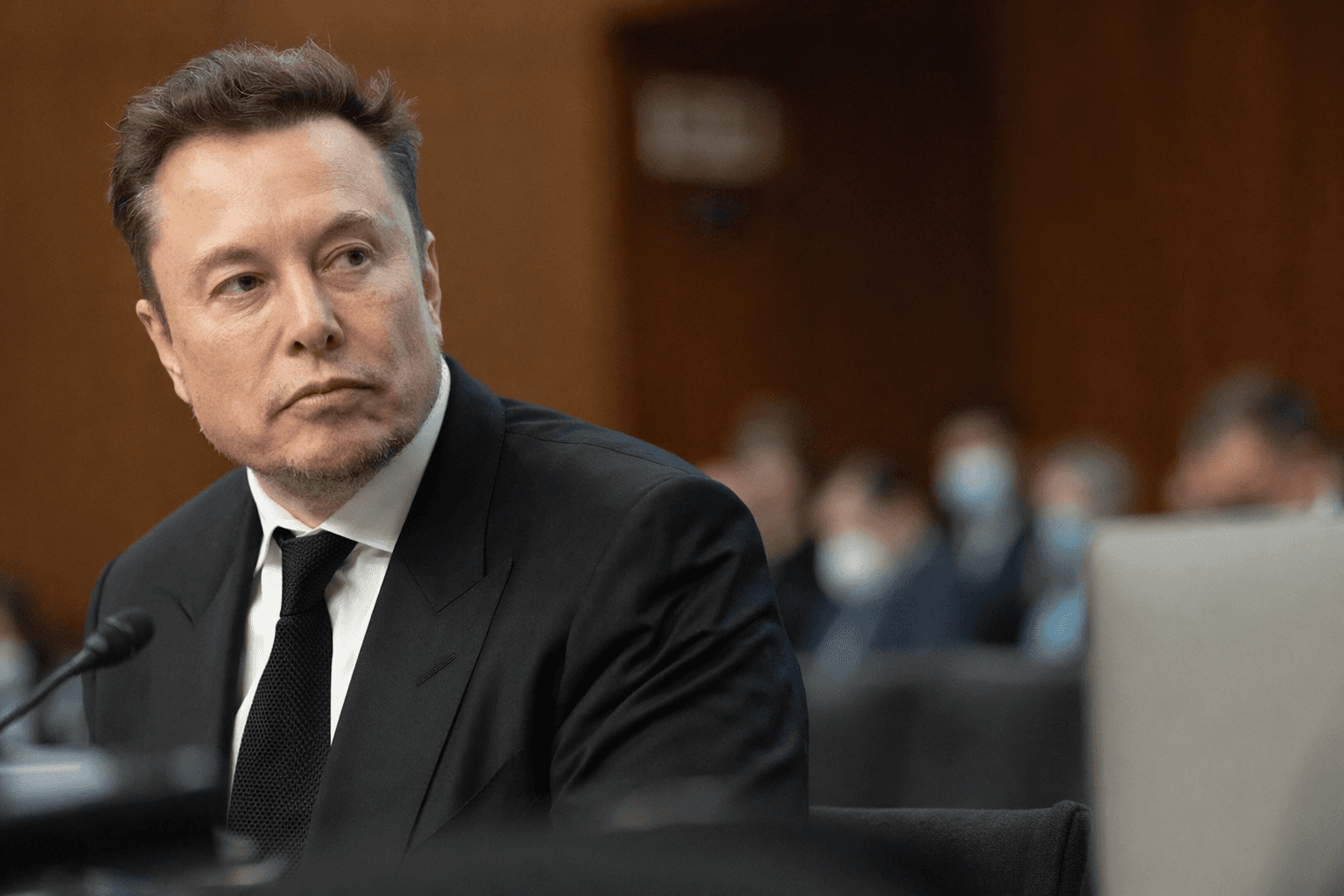
Microsoft Chief Executive Satya Nadella took the witness stand in Oakland as Elon Musk pushed a central question that could shape AI governance far beyond one company: who controlled OpenAI when its nonprofit mission collided with the power of a giant corporate backer.
The federal trial before U.S. District Judge Yvonne Gonzalez Rogers had nine jurors seated and no alternates, underscoring the stakes in a case that could hinge on how jurors interpret control, influence and loyalty inside one of the most valuable companies in the world. Musk, a co-founder of OpenAI, has accused the company, Sam Altman and Greg Brockman of abandoning the nonprofit mission for a profit-seeking model. He says roughly $38 million in donations he made to OpenAI were used for unauthorized commercial purposes.
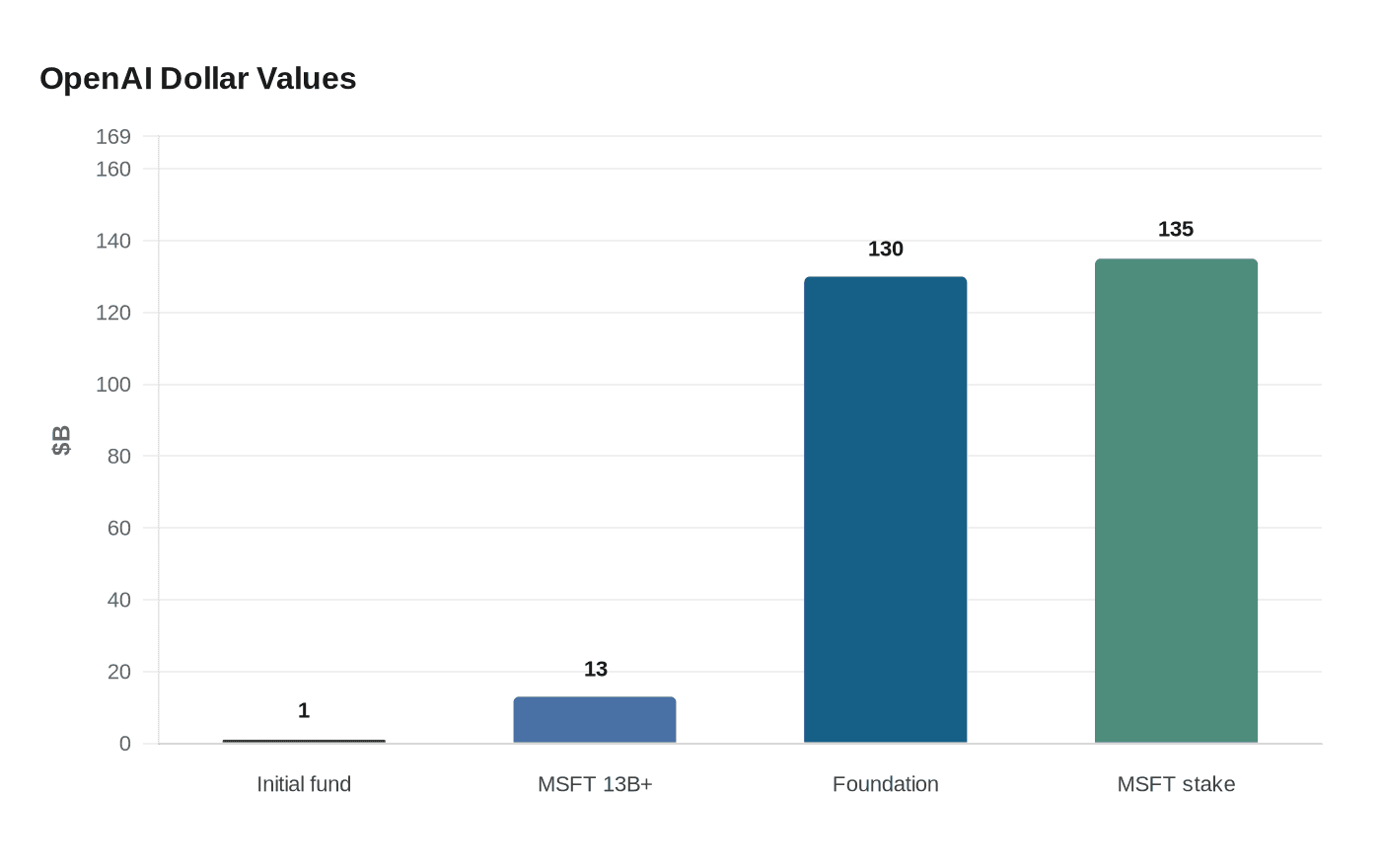
OpenAI began in December 2015 as a nonprofit with an initial funding commitment of $1 billion from Altman, Musk and others. Over time, Microsoft became the dominant outside financier, investing more than $13 billion in 2019, 2021 and 2023. In court, Nadella defended that relationship and said Microsoft’s investment in the nonprofit arm helped create what he described as one of the largest and most well-funded nonprofits in the world. Musk’s lawyer countered that internal Microsoft documents, along with the enormous increase in the value of Microsoft’s OpenAI stake, showed the company was focused on profit as well as mission.
Nadella also testified that he was never given clarity on why OpenAI’s board fired Altman in 2023. He said he moved quickly to shore up Altman after the ouster because he wanted to avoid the possibility that Altman and Brockman would build a competing company and take it to Microsoft. Musk’s lawyer argued that Microsoft played a role in getting Altman reinstated, a claim that sharpened the broader dispute over whether the company’s partnership gave it outsized influence over OpenAI’s governance.
The fight arrives after OpenAI completed a major restructuring in October 2025, creating OpenAI Group PBC as the for-profit company and renaming the nonprofit arm the OpenAI Foundation. Under that recapitalization, the foundation retained control of the for-profit entity and received a stake initially valued at about $130 billion. Microsoft’s stake was valued at about $135 billion, or roughly 27% on an as-converted diluted basis. The restructuring was reviewed by the California and Delaware attorneys general, reflecting the public concern now shadowing the case: whether a nonprofit can still meaningfully control an AI powerhouse once commercial incentives and strategic partners enter the center of decision-making.
This article was produced by Prism’s automated news system from verified source data, official records, and press releases, then run through automated quality and moderation checks before publishing. The system is built and supervised by the people who set the standards it runs under. Read our full AI policy.
Did this article answer your question?