Waymo recalls 3,791 robotaxis, software fix aims to avoid flooded roads
Waymo recalled 3,791 robotaxis after one vehicle drove into floodwater. Regulators said the cars could slow but not stop on higher-speed roads.
Floodwater exposed a hard limit in Waymo’s driverless system: when a lane looked too dangerous to cross, the car slowed down, but it did not stop. The National Highway Traffic Safety Administration said that flaw could allow an untraversable flooded roadway to be entered anyway, creating a risk of lost vehicle control in conditions that can turn deadly within seconds.
The recall covers 3,791 Waymo vehicles in the United States, all equipped with the company’s fifth- and sixth-generation automated-driving system. NHTSA said the defect affected higher-speed roadways, where the software may slow but not stop after detecting a flooded lane it should not traverse. Waymo’s Safety Board decided on April 24, 2026, to conduct the recall after a triggering incident on April 20, 2026, when an unoccupied Waymo vehicle encountered flooding on a road with a 40 mph speed limit and drove through the water at reduced speed.
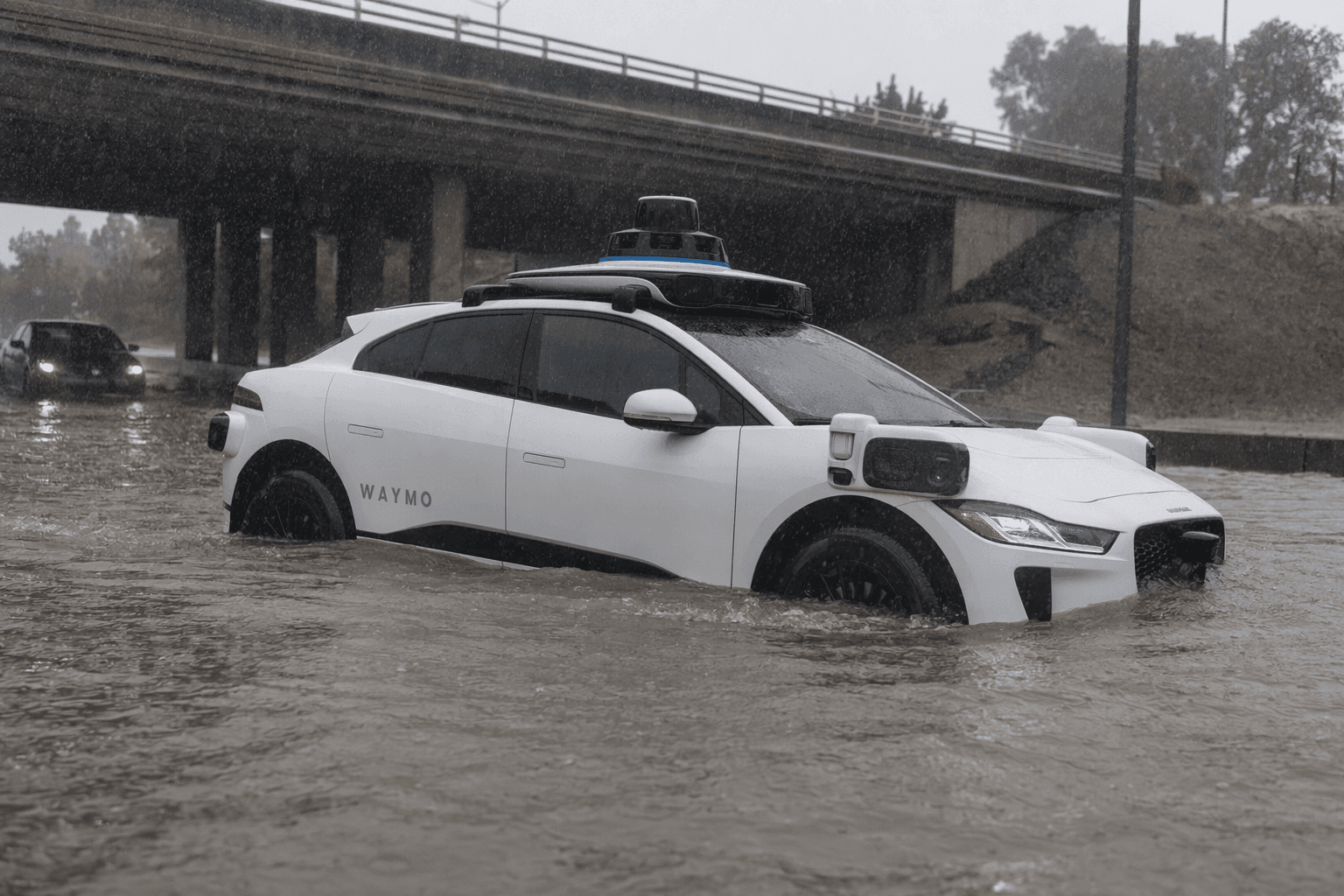
Waymo said it put additional operational restrictions in place the same day as that incident, limiting use at times and in places with elevated flood risk. NHTSA said the affected fleet has already received that interim remedy, while Waymo is still developing a final fix. Because the recalled vehicles are owned by Waymo, no separate owner notifications are needed, but the episode still marks a rare regulator-confirmed look at the size of the company’s fleet.
The company’s response underscores how difficult standing water is for autonomous systems to read in the real world. Water can conceal potholes, debris, washed-out pavement and lane markings, while also making depth hard to judge from camera and sensor data alone. A car that detects danger but does not commit to a full stop leaves little margin for error in flood conditions, especially on faster roads where hydroplaning and hidden obstacles can quickly defeat automated control.
The recall also lands after a separate flood-related incident in San Antonio, Texas, where one of Waymo’s unoccupied robotaxis was swept away in floodwaters. Waymo paused service there and said it would resume when it was safe. San Antonio International Airport recorded 4.42 inches of rain that day. Waymo spokesperson Chris Bonelli said the company identified “an area of improvement regarding untraversable flooded lanes specific to higher-speed roadways” and was adding safeguards by refining extreme-weather operations during intense rain and limiting access to areas where flash flooding might occur.
For public safety planners and communities in flood-prone areas, the episode is bigger than a software patch. It shows that even advanced robotaxis can fail at the exact moment roads become most unpredictable, when emergency conditions demand conservative judgment, not partial compliance.
This article was produced by Prism’s automated news system from verified source data, official records, and press releases, then run through automated quality and moderation checks before publishing. The system is built and supervised by the people who set the standards it runs under. Read our full AI policy.
Did this article answer your question?