Musk sues OpenAI over nonprofit origins as AI giant seeks profit structure
Elon Musk's lawsuit put OpenAI's nonprofit roots on trial as the company says its foundation still controls the business and its AI mission.
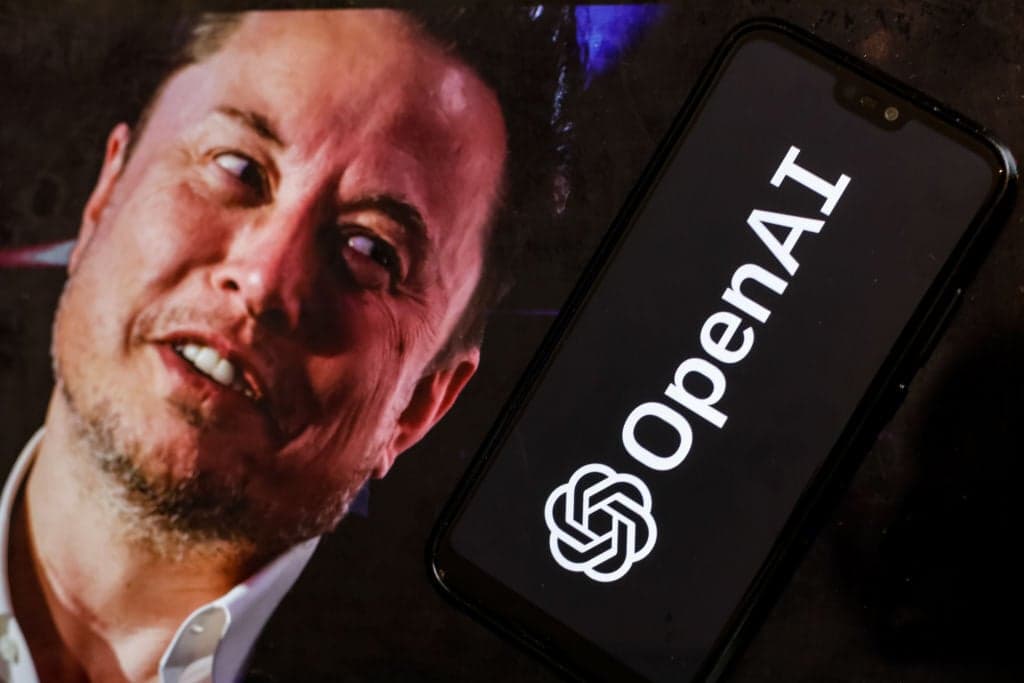
Elon Musk’s lawsuit has turned OpenAI’s corporate structure into a referendum on who controls the world’s most powerful AI systems. What began as a dispute over a founding promise now reaches into the mechanics of governance, profit, and public trust at a company valued in the hundreds of billions of dollars.
Musk sued OpenAI, Sam Altman and Greg Brockman in 2024, arguing that the company abandoned the nonprofit mission it announced in 2015 and began prioritizing commercial gains over broad public benefit. OpenAI has said it intends to dismiss all of Musk’s claims and insists its mission remains the same: to ensure artificial general intelligence benefits all of humanity.
The legal fight hinges on what OpenAI was supposed to be. When it introduced itself in December 2015, the company described itself as a nonprofit artificial intelligence research lab created to advance digital intelligence for humanity, not to generate financial return. OpenAI says its leaders later concluded in 2017 that building AGI would require more compute and talent than a charity could raise. That led to the 2019 creation of a capped-profit subsidiary, which OpenAI says allowed investors and employees to receive limited returns while the nonprofit kept control.
Musk’s camp says that evolution violated the founding bargain. OpenAI’s counter-narrative is that Musk wanted the lab to merge with Tesla or otherwise come under his control, and that he left in 2018 after that dispute. OpenAI has also said Musk’s $1 billion pledge was never fully paid. Those claims sharpen the case beyond a simple personal feud: each side is fighting over who owns the moral and strategic high ground in AI.
The dispute escalated further as OpenAI’s business structure changed again. On March 4, 2025, the company said a court rejected Musk’s latest attempt to slow it down, and in October 2025 OpenAI said its nonprofit had become the OpenAI Foundation, which now controls OpenAI Group PBC. OpenAI says the new structure is meant to keep mission and commercial success aligned. The foundation has also said it plans to invest at least $1 billion in curing diseases, economic opportunity, AI resilience and community programs.
That makes Musk’s case more than an attack on OpenAI’s past. It is a test of whether a nonprofit can still anchor accountability inside a capital-intensive AI giant, or whether the pressures of the market will eventually overwhelm the mission that launched it.
This article was produced by Prism’s automated news system from verified source data, official records, and press releases, then run through automated quality and moderation checks before publishing. The system is built and supervised by the people who set the standards it runs under. Read our full AI policy.
Did this article answer your question?