Musk travels to China during OpenAI trial despite judge’s order
Musk left for China with Donald Trump even after Judge Yvonne Gonzalez Rogers said he was not excused from trial. His absence sharpened questions about whether powerful litigants face the same courtroom rules as everyone else.
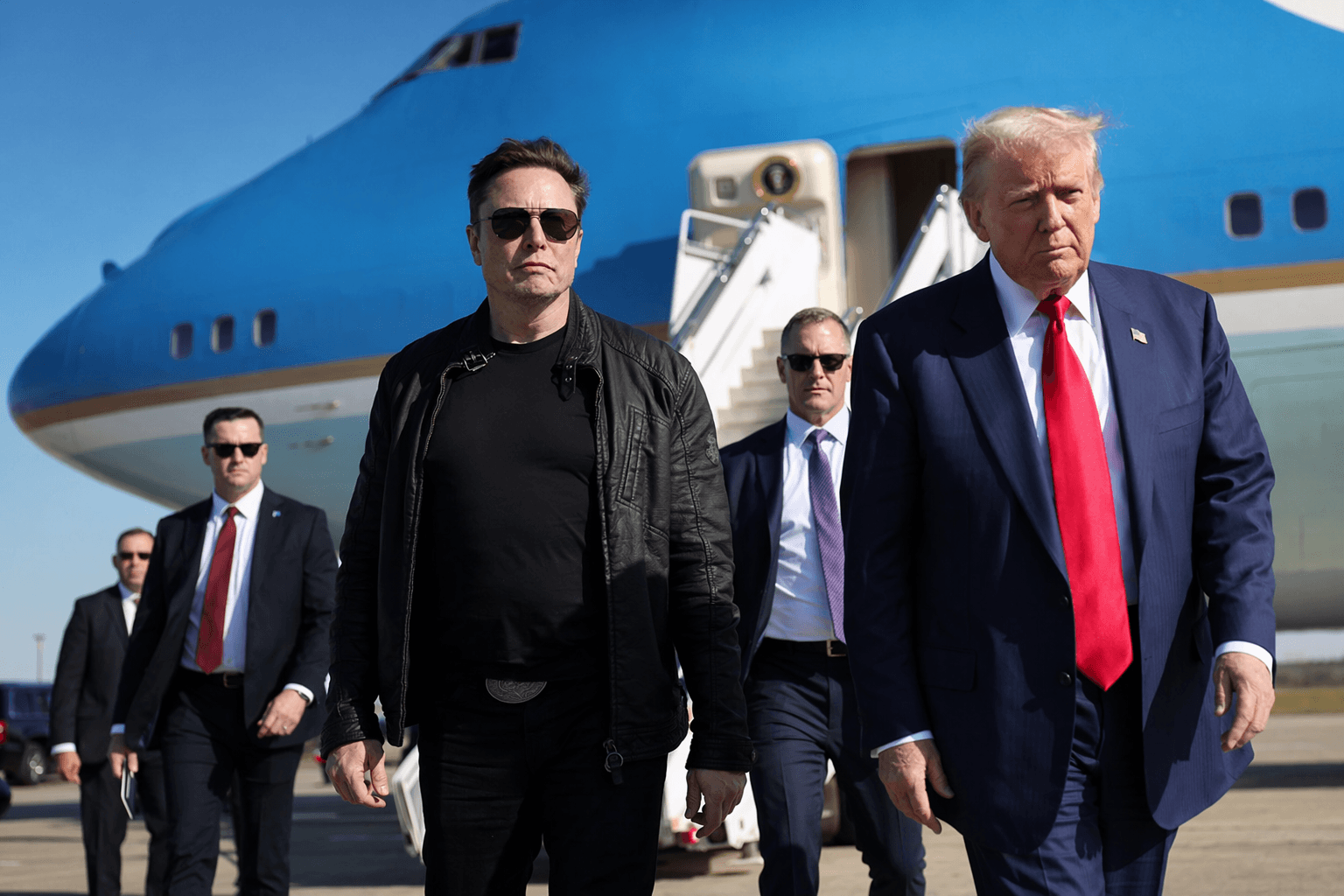
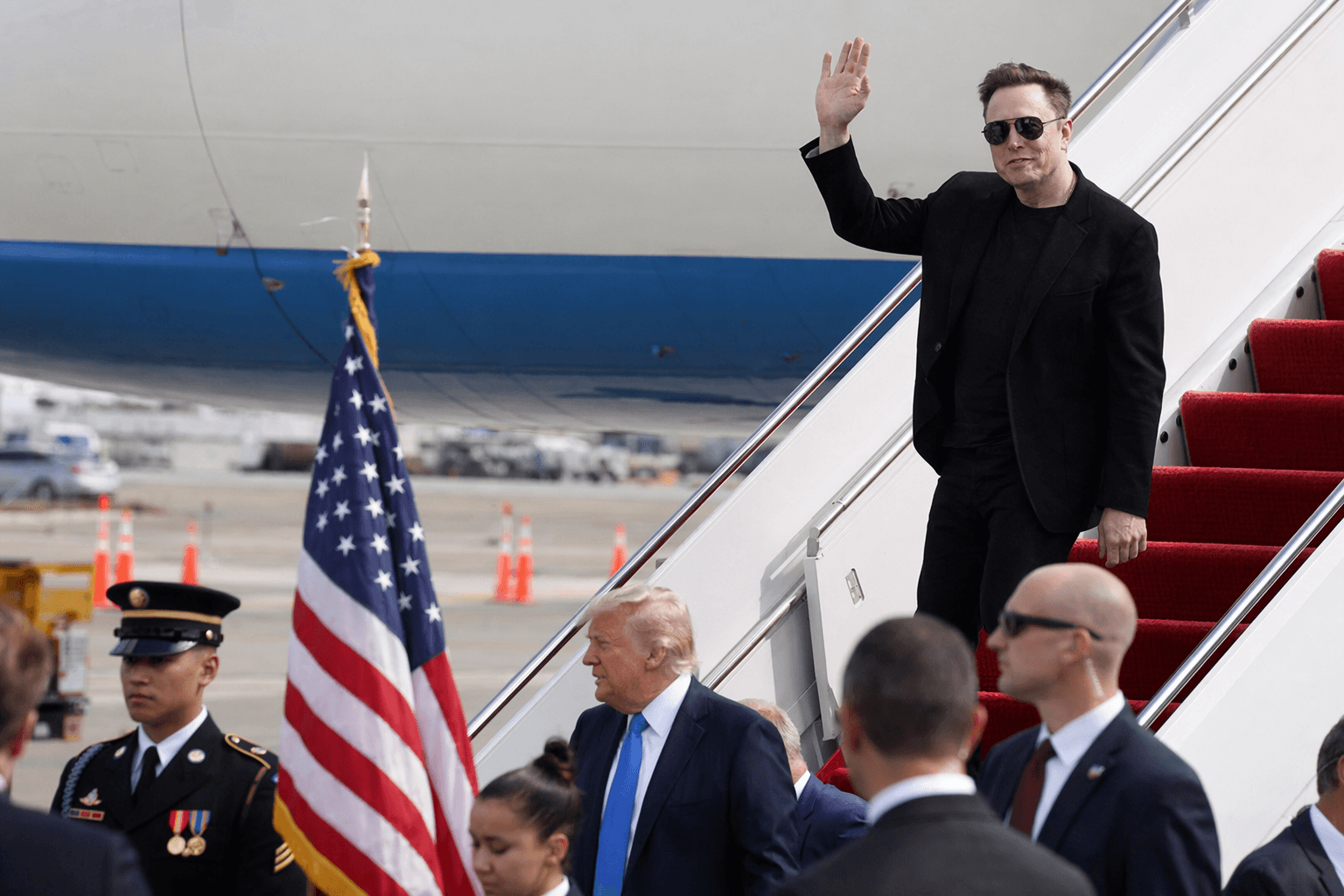
Elon Musk traveled to China with President Donald Trump while the judge overseeing his OpenAI trial had already said he was not excused from court, a move that put the billionaire’s courtroom obligations on collision course with his public profile.
In Oakland federal court, Musk’s lead counsel, Steven Molo, apologized to the jury for Musk’s absence during closing arguments and told jurors, “This is something he is passionate about.” Judge Yvonne Gonzalez Rogers had placed Musk on “recall status” after his testimony on April 30, meaning he was expected to remain available to return on short notice if the court needed him again. At the end of that testimony, she told him, “you are not excused, but you can leave for the day.”
The stakes are unusually high for a civil case that has become a referendum on OpenAI’s origins and direction. Musk sued OpenAI co-founders Sam Altman and Greg Brockman in 2024, alleging they violated a promise to keep the company nonprofit and later enriched themselves by restructuring it into a commercial enterprise. CNBC reported that Musk claims roughly $38 million he donated to seed OpenAI was used for unauthorized commercial purposes. OpenAI has rejected the claims as “sour grapes” and argues Musk is trying to weaken the company while building up his own artificial intelligence venture, xAI.
The question of whether Musk could simply leave the country without judicial approval sharpened the optics. NBC News reported that two sources said Musk did not obtain permission from the judge before departing, and the court spokesperson said it did not know whether he had. CNBC reported that witnesses who are subject to recall would normally need to file a motion and obtain judicial approval before traveling far away. That matters because Musk’s absence could have become a problem if OpenAI, co-defendant Microsoft or the judge recalled him before the evidence phase ended.
The trial, heard by a nine-person jury selected on April 27, 2026, was scheduled to run through late May. NBC Bay Area reported that OpenAI is now valued at $852 billion, underscoring how far the company has moved from its 2015 founding as a nonprofit startup. Even as the case unfolded, Musk’s lawyers faced more friction in court, including a warning from the judge to retract part of a closing argument or “drop your claim.” The episode left a blunt question hanging over one of Silicon Valley’s most powerful figures: when elite litigants ignore courtroom expectations, does accountability still reach them?
This article was produced by Prism’s automated news system from verified source data, official records, and press releases, then run through automated quality and moderation checks before publishing. The system is built and supervised by the people who set the standards it runs under. Read our full AI policy.
Did this article answer your question?