OpenAI brings Codex to ChatGPT mobile as it chases Claude Code
OpenAI put Codex on ChatGPT mobile, letting a phone steer code tasks running in the cloud as it raced Anthropic’s Claude Code.

OpenAI extended Codex into the ChatGPT mobile app, turning the phone into a control layer for coding tasks that still ran on remote computers. The move sharpened OpenAI’s push beyond text chat and into agentic software work, as Anthropic’s Claude Code drew growing attention and OpenAI worked to close the gap.
Codex first launched on May 16, 2025 as a cloud-based software engineering agent for ChatGPT Pro, Business and Enterprise users, with Plus access added on June 3, 2025. OpenAI said the system was powered by codex-1, a version of OpenAI o3 tuned for software engineering, and that each task ran in its own cloud sandbox preloaded with the user’s repository. The company said Codex could write features, answer questions about a codebase, fix bugs and propose pull requests for review.

The mobile rollout did not move that compute onto the handset. Instead, the ChatGPT app on the phone acted as an intermediary between the user and the remote Codex environment, letting someone tell Codex on a computer to work on a task from a mobile device. A previous integration in May 2025 already let ChatGPT iOS users initiate tasks, view code differences, request changes and push pull requests after finishing setup on the web first, with activity updates shown on the lock screen.
OpenAI has continued to add capabilities around the product. Its Codex changelog shows GPT-5.5 arrived in Codex on April 23, 2026, along with in-app browser support for local development servers and file-backed pages. OpenAI added a Chrome extension on May 7, 2026, reinforcing a broader strategy to make Codex work across multiple surfaces tied to a single ChatGPT account.
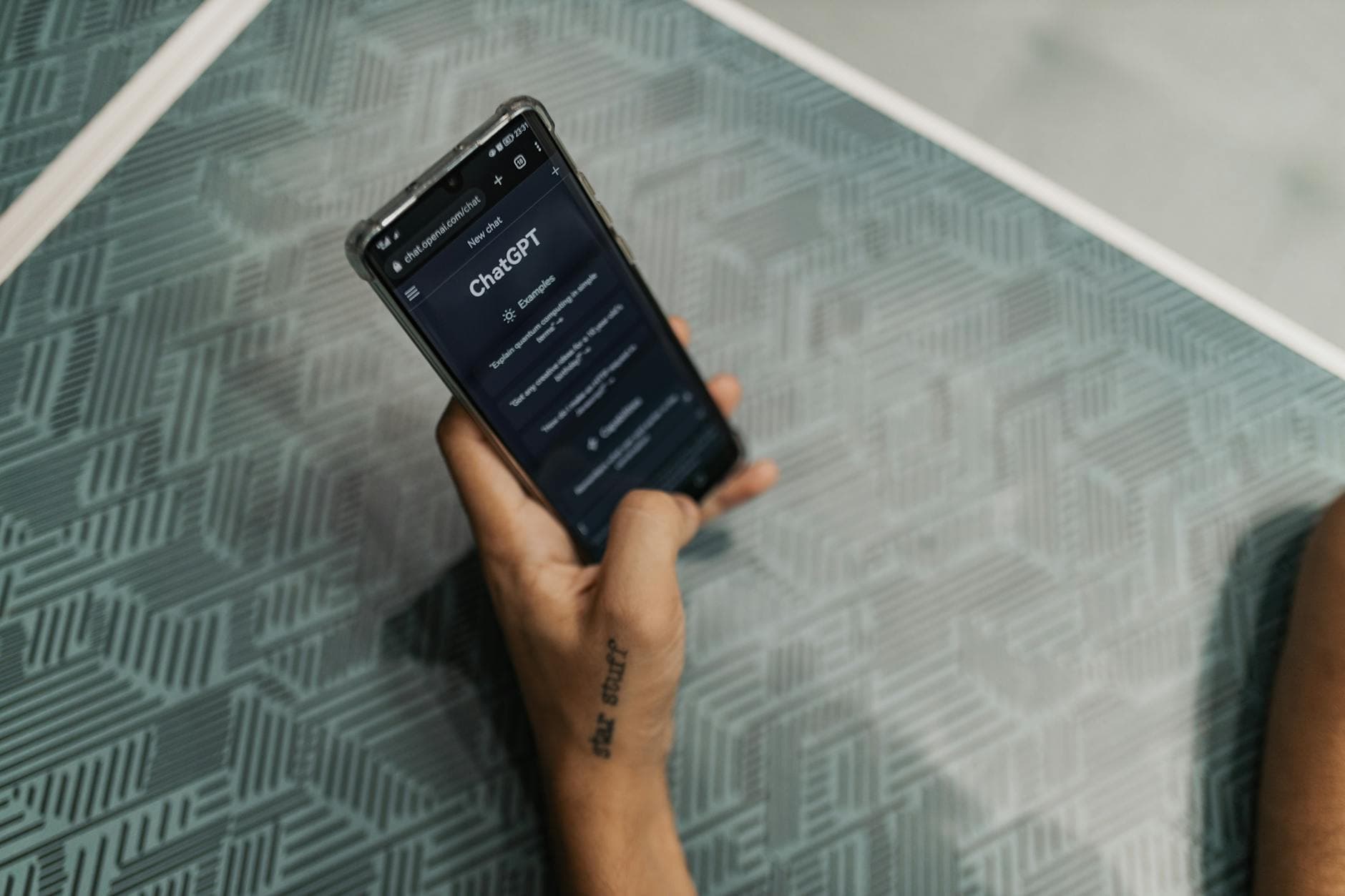
The shift matters because it shows how fast AI coding tools are moving from desktop utilities to cross-device agents that can act on behalf of users. For developers, that can mean faster task initiation, quicker reviews and less friction between a phone and a cloud workspace. It also raises a harder question: as OpenAI expands convenience, permissions, error handling and privacy safeguards have to keep pace, because the model is no longer just generating text, it is directing work across devices and software environments.
This article was produced by Prism’s automated news system from verified source data, official records, and press releases, then run through automated quality and moderation checks before publishing. The system is built and supervised by the people who set the standards it runs under. Read our full AI policy.
Did this article answer your question?