Musk’s lawsuit against OpenAI goes to trial, could reshape A.I. race
Musk’s case against OpenAI heads to a bifurcated jury trial in Oakland, with billions at stake and the company’s nonprofit origins on the line.
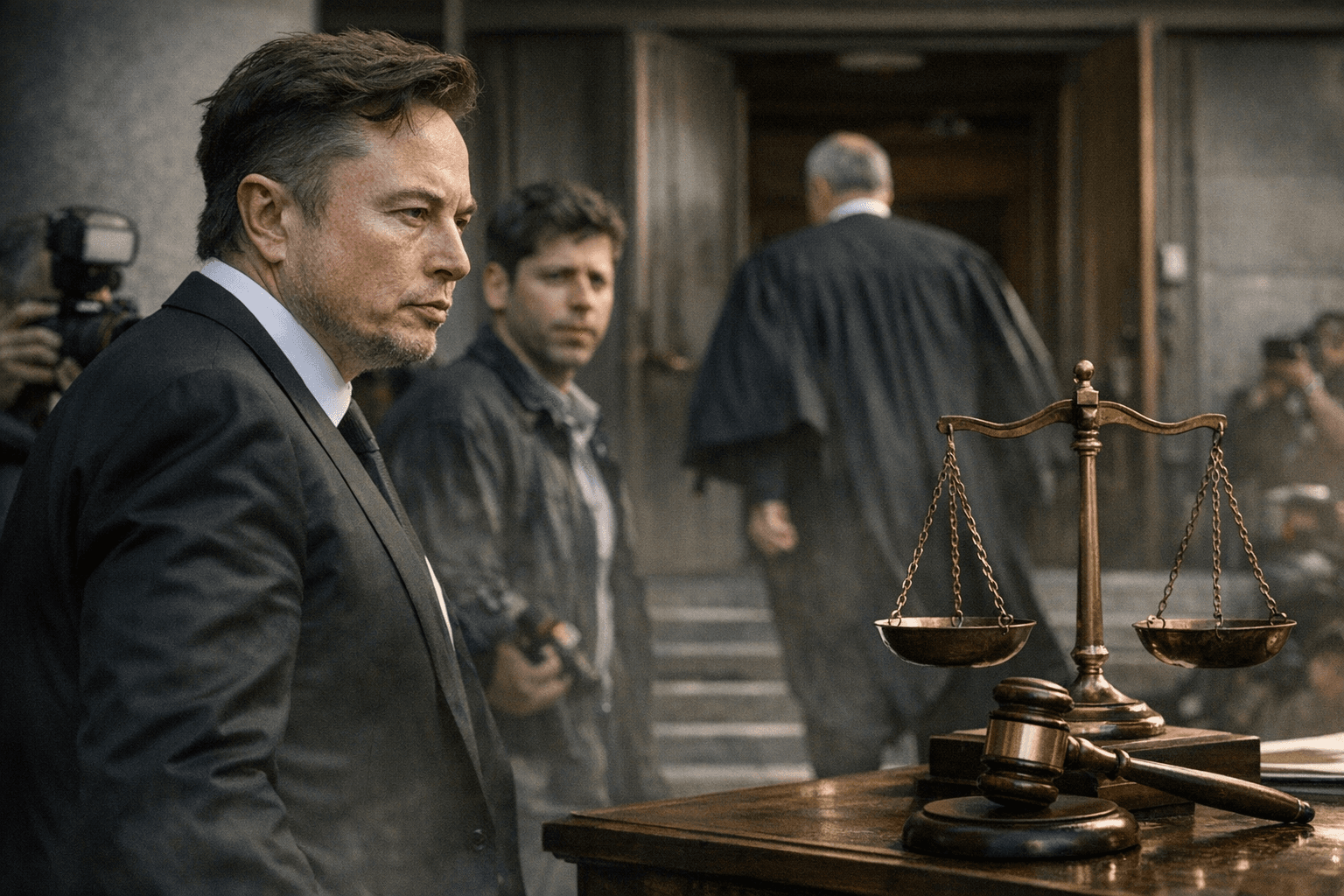
Elon Musk’s fight with OpenAI will move into a jury trial in federal court in Oakland on Monday, putting a hard price on a dispute that now reaches beyond a personal feud and into the ownership of artificial intelligence’s future. Musk is seeking up to $134 billion in damages from Sam Altman’s company, while also pressing claims that could force OpenAI to return to nonprofit status and strip Altman and President Greg Brockman from their roles.
U.S. District Judge Yvonne Gonzalez Rogers has already ruled that the case can go to trial and ordered it to proceed in two stages. The first phase will focus only on liability and will be heard by an advisory jury. The second phase, devoted to remedies, would be decided by the judge and could begin around May 18 if the case reaches that point. Jury selection is set to start on April 27 in Oakland, where Microsoft also has trial time allotted in the broader dispute.
At the center of the case is Musk’s contention that he was induced to give about $38 million to OpenAI in 2024 based on promises that the lab would remain a nonprofit. OpenAI has rejected that account and says Musk’s latest filing is his fourth attempt to press the same claims. The company has characterized the lawsuit as a harassment campaign aimed at slowing down a competitor and benefiting xAI, Musk’s own A.I. company.
The case has also opened a window into OpenAI’s internal history. Greg Brockman’s 2017 private notes have become important evidence, and Judge Rogers has cited them in the litigation. Those notes suggest that some founders were already worried about whether a nonprofit promise could survive if OpenAI moved toward a for-profit structure, a question now at the heart of the trial.
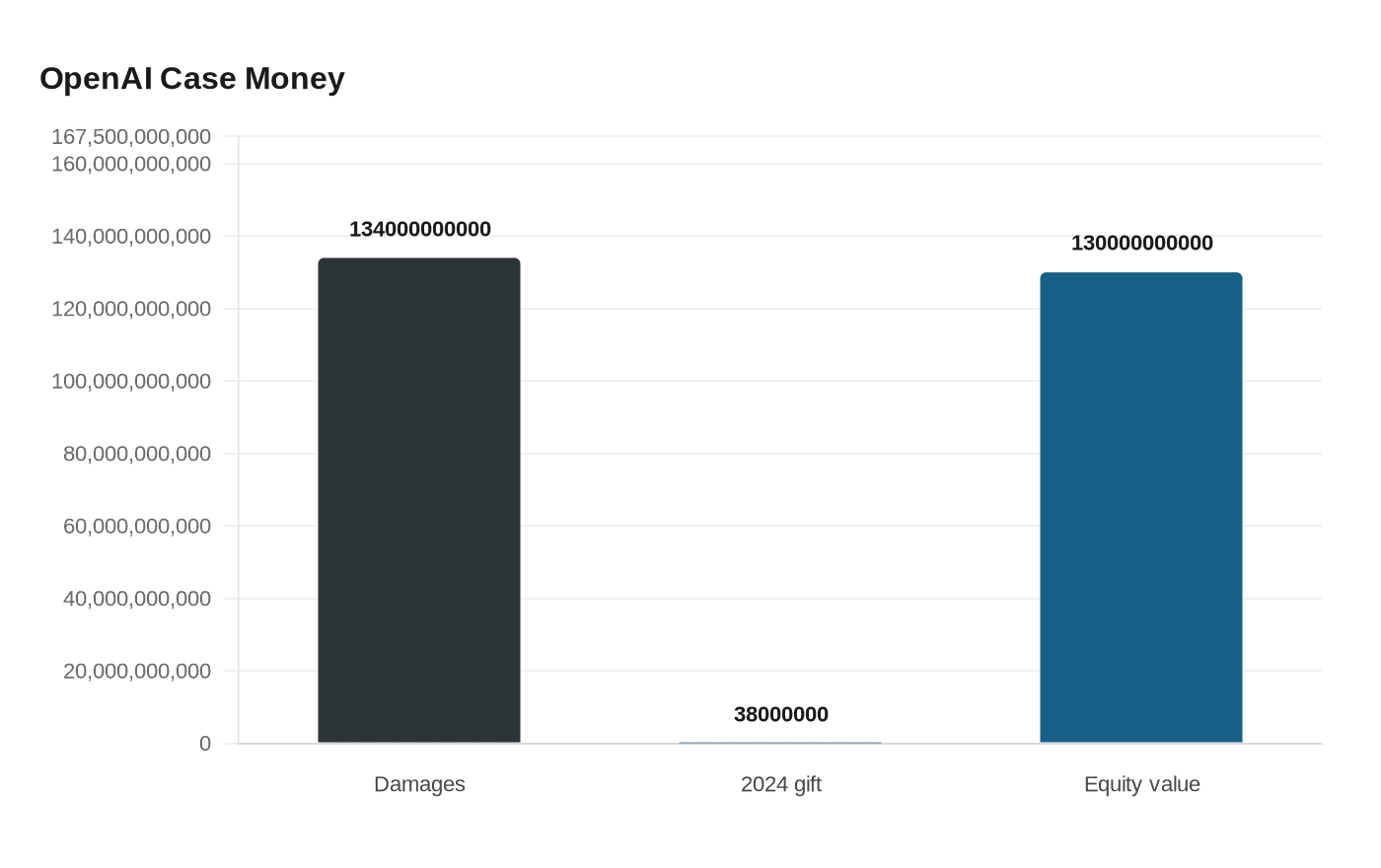
That structure is no longer theoretical. OpenAI says it is now organized as a nonprofit that controls a public benefit corporation, and it values the nonprofit’s equity in the for-profit arm at about $130 billion. Musk’s lawyers argue that this arrangement cannot cure what they say was a breach of the company’s founding commitments. They want the court to unwind the structure and, if fraud is found, remove Altman and Brockman from leadership.
The case lands after a long rupture between Musk and the company he co-founded in 2015. Musk left OpenAI in 2018 after failing in an effort to merge it with Tesla, then went on to build xAI as a direct rival. The trial now tests not only who owes whom, but who gets to control the corporate model for frontier A.I. as the sector races to monetize the technology it once promised to develop for the public good.
This article was produced by Prism’s automated news system from verified source data, official records, and press releases, then run through automated quality and moderation checks before publishing. The system is built and supervised by the people who set the standards it runs under. Read our full AI policy.
Did this article answer your question?