Muslim groups accuse Republicans of weaponizing hearing to stoke fear
Muslim groups said a House hearing on “Sharia-Free America” turned Congress into a stage for fear, as anti-Muslim complaints hit a record 8,683.

A House Judiciary Subcommittee hearing titled “Sharia-Free America: Why Political Islam & Sharia Law Are Incompatible with the U.S. Constitution: Part II” drew sharp accusations that Republicans were using Congress to draw a line around who belongs in public life. Muslim American organizations said the session, scheduled for Wednesday, May 13, 2026, at 10:00 a.m. ET, was less an exercise in oversight than a political signal aimed at Muslim minorities.
Chip Roy, the Texas Republican who chairs the House Judiciary Subcommittee on the Constitution and Limited Government, pushed the hearing’s central message with a warning that framed political Islam as an existential threat. “The radicals pushing political Islam do not want to coexist with America's culture and political order. They want to replace it,” Roy said. Republicans used the hearing to argue that sharia law and political Islam pose a danger to civil liberties and the constitutional order, even as critics said the hearing recycled older suspicions about Muslim Americans as outsiders.
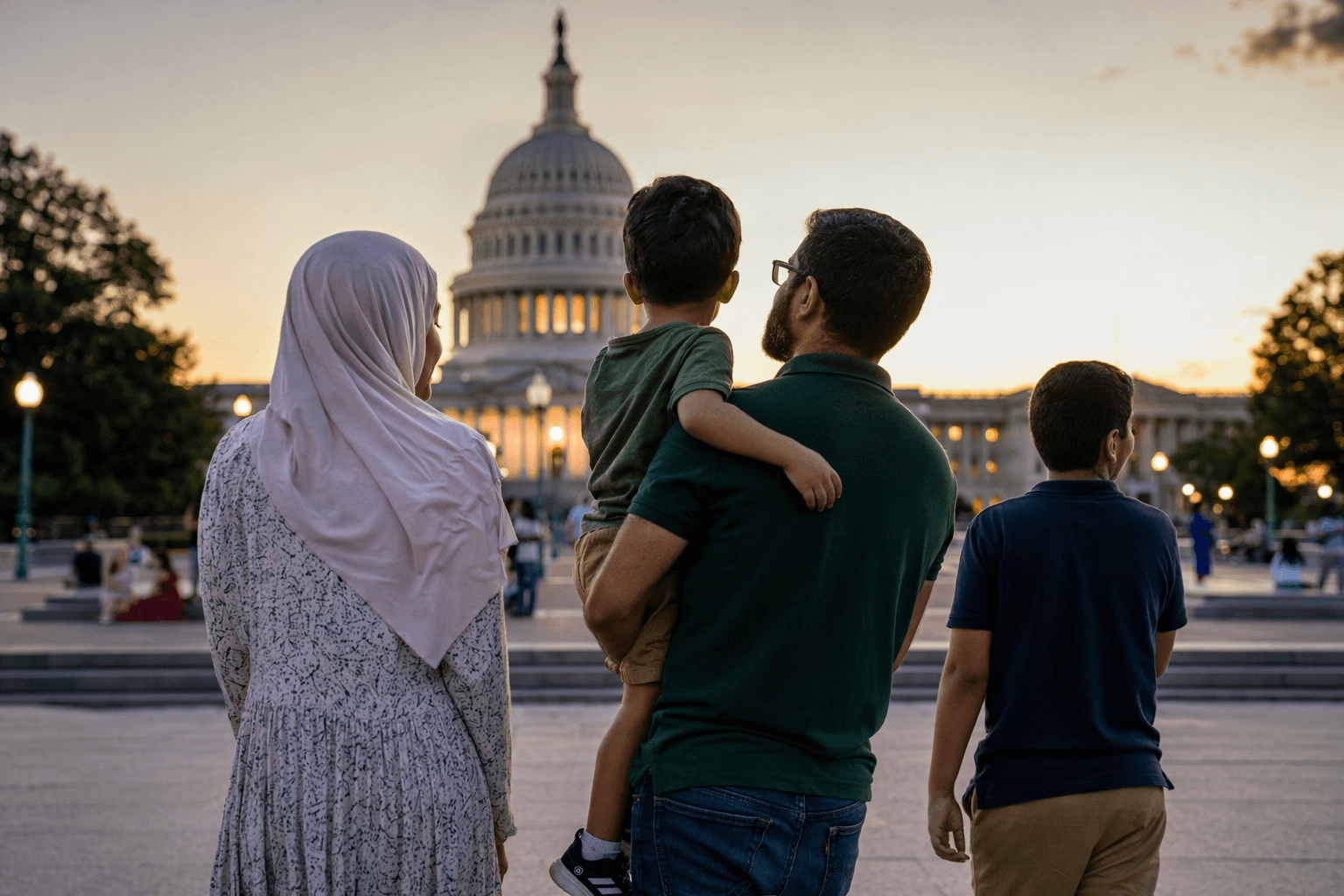
The U.S. Council of Muslim Organizations condemned what it called the “weaponization of government against American Muslims,” while Zainab Chaudry, Maryland director of the Council on American-Islamic Relations, said the hearings were about “the politics of fear.” Critics said there was no evidence that mainstream U.S. Muslim groups have advocated imposing religious law on the United States, and they cast the hearing as part of a broader effort to make Muslim identity itself a political suspect category.
The confrontation did not begin with this hearing. An earlier session in the same series was held in February 2026, and the House Republican-backed Sharia Free America Caucus has expanded quickly since launching in December 2025. By May 2026, the caucus had grown from its two co-founders to 55 members, a sign that the issue has moved from the margins into party infrastructure.
The civil rights backdrop was stark. CAIR said its offices nationwide received 8,683 anti-Muslim and anti-Arab complaints in 2025, the highest total since it began publishing its civil rights report in 1996. That figure was slightly above 8,658 complaints in 2024, and the complaints included employment discrimination, immigration and asylum issues, hate incidents and travel discrimination. A Center for the Study of Organized Hate report in April said anti-Muslim bigotry by Republican elected officials surged after early 2025 and documented more than 1,100 online posts by Republican members of Congress and governors.
Taken together, the hearing, the caucus expansion and the complaint data point to the same political reality in Washington: religion is being used not only as a policy issue, but as a test of belonging, with Muslim Americans once again forced to answer for fears they did not create.
This article was produced by Prism’s automated news system from verified source data, official records, and press releases, then run through automated quality and moderation checks before publishing. The system is built and supervised by the people who set the standards it runs under. Read our full AI policy.
Did this article answer your question?

