Trump’s attacks on federal data alarm economists and statisticians
Trump moved against the machinery behind U.S. statistics, raising fears that jobs and inflation numbers could lose the public trust they need to matter.

The Trump administration moved against the machinery that produces U.S. economic statistics, disbanding advisory groups, proposing cuts to the Bureau of Labor Statistics and firing its commissioner after accusing the latest jobs report of being “rigged.” Economists and former federal statistical officials warned that the deeper damage could come even if the numbers themselves were never altered, because statistical agencies depend on credibility to do their work. Erica Groshen, a former BLS commissioner, said those agencies “live and die by trust.” Former BLS labor economist Marshall Reinsdorf warned that any new commissioner would be squeezed between sophisticated data users who want credibility and a president who wants loyalty.
Commerce Secretary Howard Lutnick terminated the Federal Economic Statistics Advisory Committee effective February 28, 2025, ending a panel that had long advised federal statisticians on inflation, employment and GDP data. The administration also shut down three Census Bureau advisory groups: the Census Scientific Advisory Committee, the National Advisory Committee on Race, Ethnic, and Other Populations, and the 2030 Census Advisory Committee. The Census Scientific Advisory Committee had been established in 1994, and the 2030 panel was helping prepare for the 2030 census, including the 2026 field test. Census advocates said those bodies provided scientific and technical advice on survey methodology, cyber infrastructure and census planning.
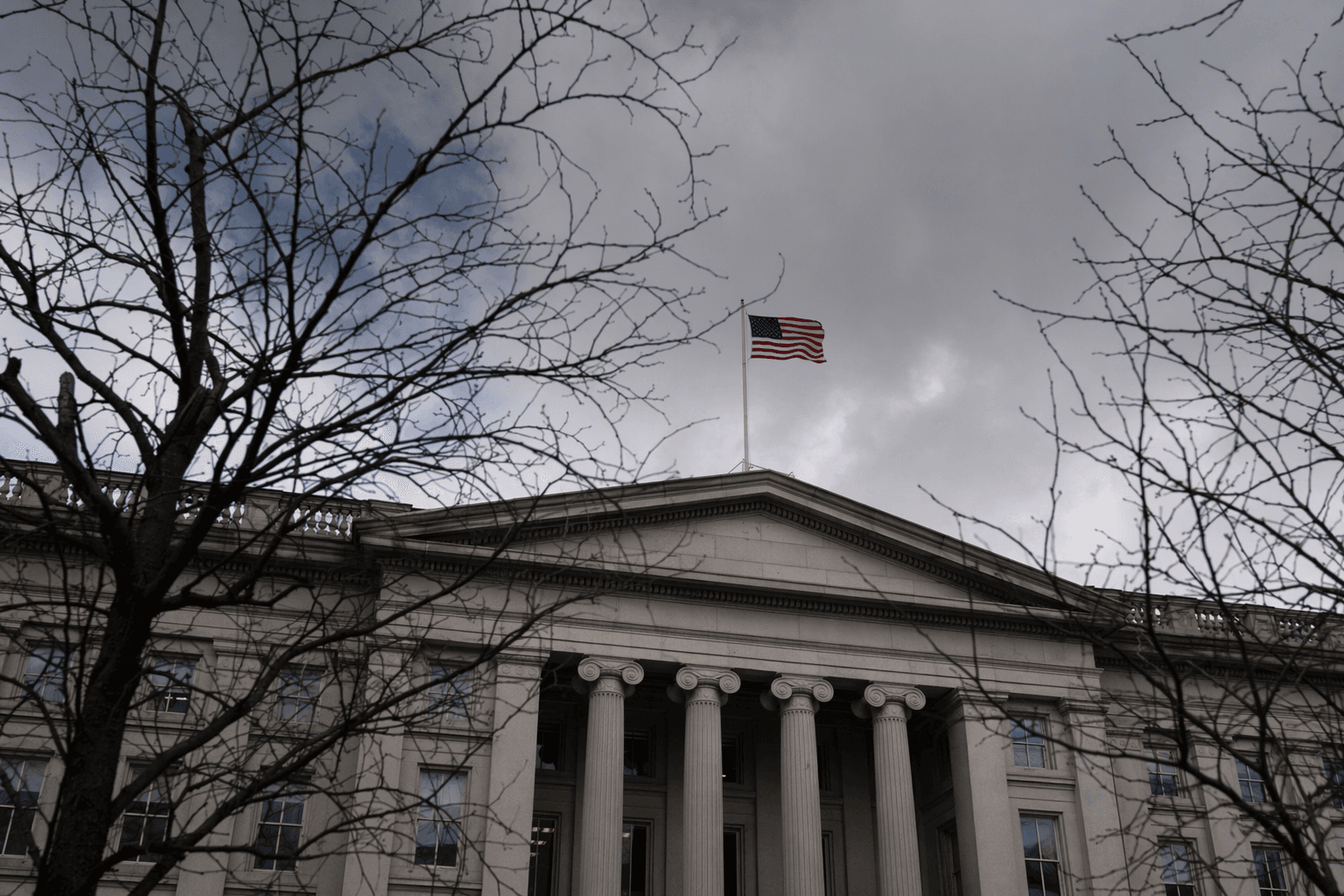
Lutnick also floated a change to how gross domestic product is calculated, suggesting that government spending be separated from GDP. That alarmed economists because government spending has long been part of the standard formula used to measure the broadest snapshot of the economy. Groshen said the stakes go beyond technical debates: if people cannot trust the numbers, they will not use them to make important decisions.
The concern reaches far beyond one agency or one report. Monthly jobs data and inflation readings move markets, shape Federal Reserve decisions and give the White House and Congress a common set of facts. Brookings researchers said accurate inflation data are essential for SNAP benefit calculations, since maximum benefits are indexed to the Consumer Price Index and the USDA’s Thrifty Food Plan. They also warned that politicizing the BLS weakens the professionals who produce labor-market data.
The administration’s pressure campaign also spread across the public health system. In February 2025, it cut about 1,300 Centers for Disease Control and Prevention jobs, roughly 10% of the agency workforce, and laid off as many as 1,500 National Institutes of Health employees. That broader downsizing reinforced fears that the federal capacity to collect and analyze data was being hollowed out.
The biggest flashpoint came on August 1, 2025, when Donald Trump fired BLS Commissioner Erika McEntarfer after a weak jobs report and revisions to prior numbers. McEntarfer had been nominated by President Biden on July 12, 2023, and confirmed by the Senate on January 11, 2024. By then, the fight over federal statistics had become larger than one commissioner, one report or one month of data. It had become a test of whether the government would protect the numbers the public uses to judge the economy, or bend them to politics.
This article was produced by Prism’s automated news system from verified source data, official records, and press releases, then run through automated quality and moderation checks before publishing. The system is built and supervised by the people who set the standards it runs under. Read our full AI policy.
Did this article answer your question?

