Nanoleaf expands beyond smart lighting with wellness devices, AI ambitions
Nanoleaf’s quiet stretch masked a pivot into red-light masks, a therapy wand and AI-branded products, even as Signify sued over smart-lighting patents.
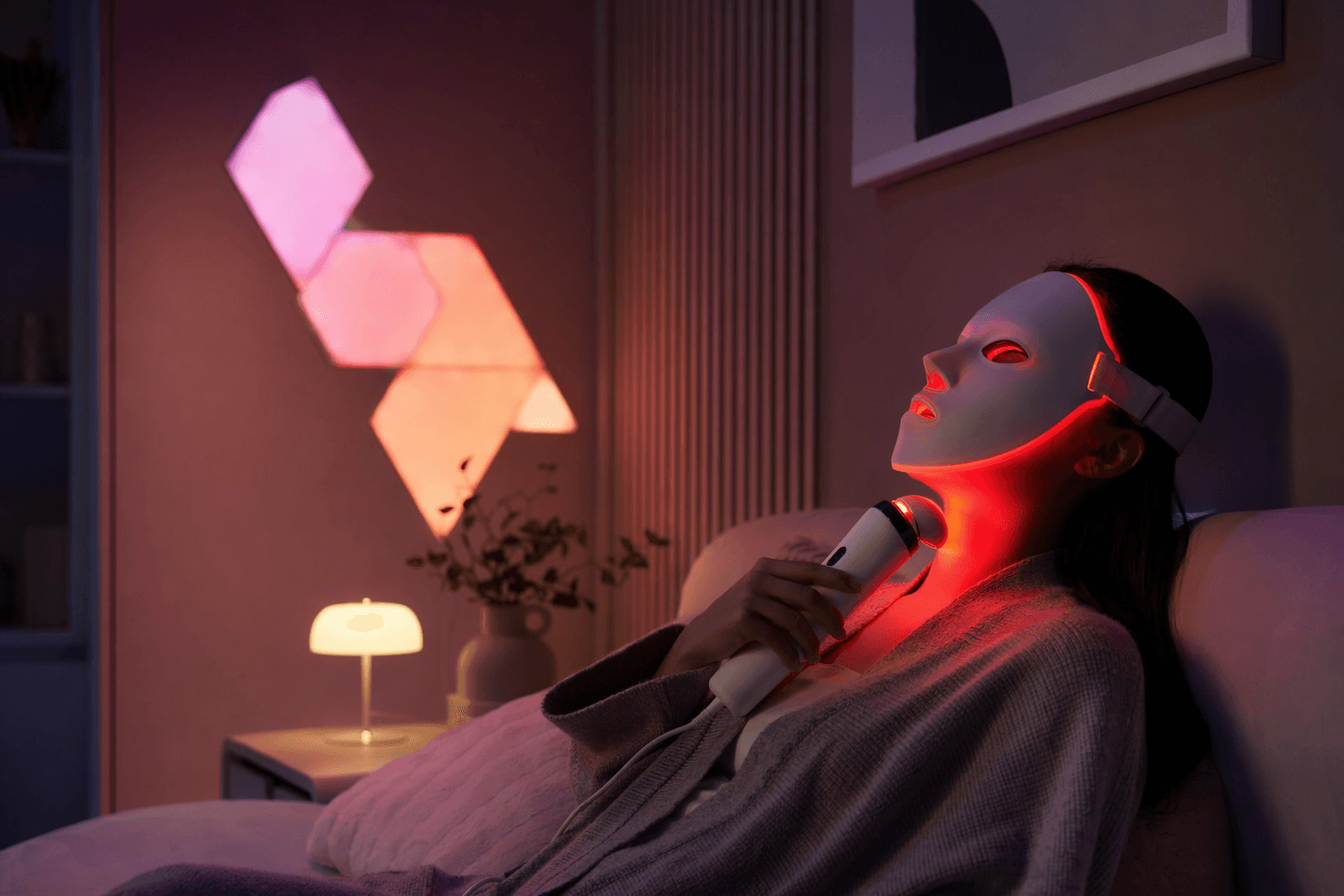
Nanoleaf, once known for modular wall lights, has spent the past two years moving far beyond smart bulbs and panels. The company that helped define the category is now betting its next growth phase on wellness devices, AI-branded experiences and, in its own framing, a future tied to AI and robotics.
That shift marks a sharp turn for a company that says it was founded in 2012 by three engineers and University of Toronto graduates. Nanoleaf built its name after a 2013 Kickstarter campaign drew 5,746 backers and surpassed its goal by 10 times, then gained broader attention in 2016 with Light Panels that incorporated a music visualizer and helped popularize modular smart lighting. Today, Nanoleaf says it has offices in Toronto, Shenzhen, Paris, Hong Kong and the Philippines, employs more than 100 people, sells in more than 100 countries, works with more than 200 retailers and has more than 1 million app users.
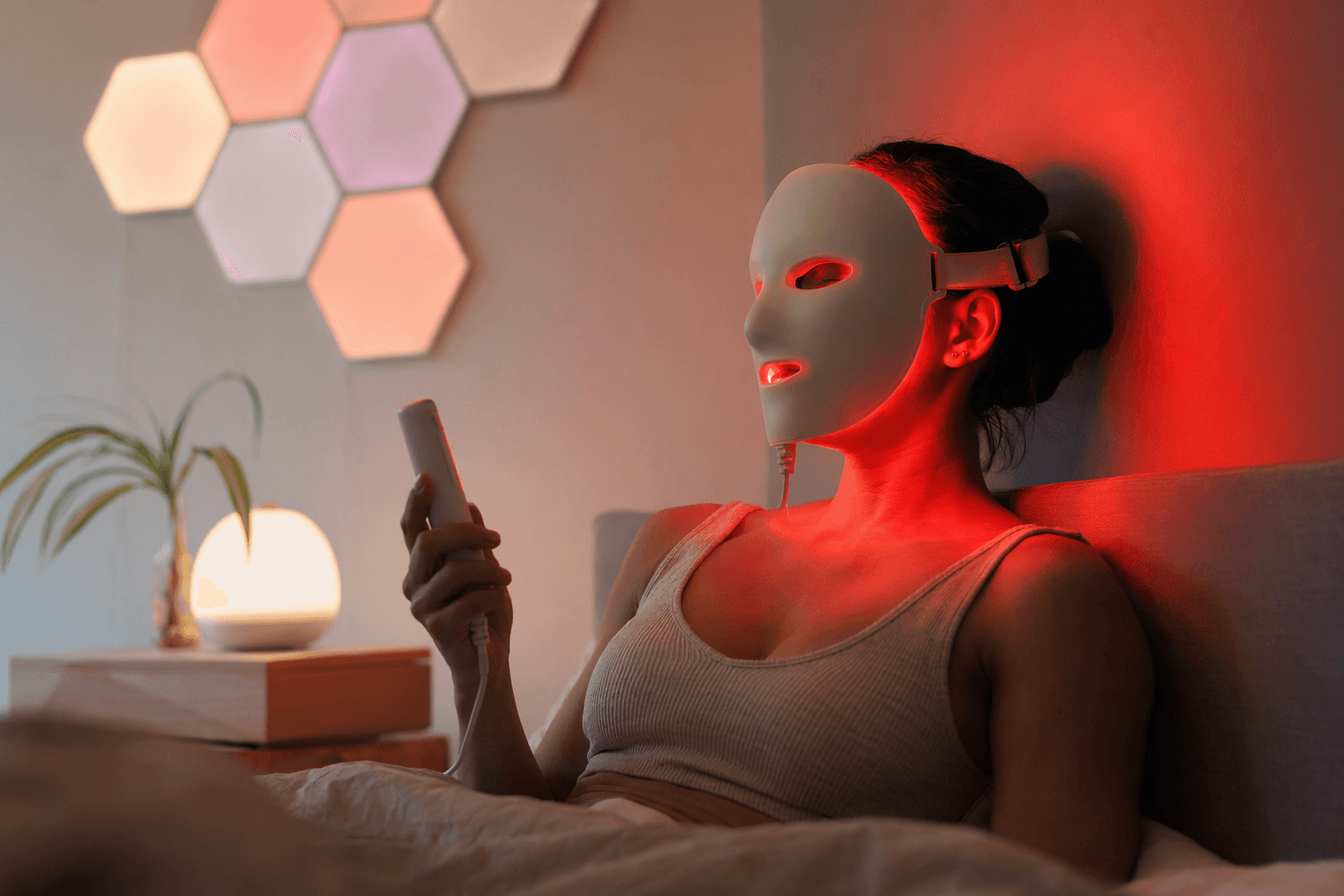
The company’s latest product cycle shows how far it has pushed beyond lighting. At CES 2025, Nanoleaf introduced four products and a premium software service: the LED Light Therapy Face Mask, Smart Multicolor Floor Lamp, PC Screen Mirror Lightstrip, 4D V2 and Nanoleaf Premium. It later added a 6-in-1 Red Light Therapy Wand and a Red Light Therapy Panel. Nanoleaf says the panel uses red and near-infrared light for face and body use, while the face mask is FDA-cleared and meant for facial treatment.
Nanoleaf now describes itself as a maker of LED lighting, gaming and entertainment lights, and red light therapy devices powered by AI-driven technology and spatial intelligence. That language suggests a company trying to reposition lighting not as a commodity category, but as a platform for connected home experiences, skincare and recovery products that can be sold at higher margins than basic fixtures. The wellness line, especially, gives Nanoleaf a new narrative at a time when smart-home lighting has become crowded and competitors such as Govee and Philips Hue have kept pushing out new products and features.
The timing also points to pressure. On April 22, 2025, Signify, the parent of Philips Hue, filed a patent infringement lawsuit against Nanoleaf over alleged smart-lighting patent violations. For Nanoleaf, the legal fight lands in the middle of a broader identity shift. The company is no longer acting like a business that expects its future to come only from colorful wall panels. It is trying to prove that a brand built on lighting can survive saturation by turning itself into something broader, stranger and more ambitious.
This article was produced by Prism’s automated news system from verified source data, official records, and press releases, then run through automated quality and moderation checks before publishing. The system is built and supervised by the people who set the standards it runs under. Read our full AI policy.
Did this article answer your question?