NASA briefly shelters space station crew after leak concern in Russian module
NASA sent five astronauts into Crew Dragon Freedom after a slow pressure drop in a Russian transfer tunnel raised fresh concern over a six-year leak. The station later returned to normal operations after Roscosmos paused repairs for more data.

NASA briefly moved five of the seven people aboard the International Space Station into the docked SpaceX Crew Dragon Freedom after a leak concern in a Russian module sharpened into a precautionary emergency posture. The shelter order came at 9:04 a.m. ET and told the four Crew-12 astronauts, two Americans, one French astronaut and one Russian cosmonaut, to put on their spacesuits and wait inside the capsule in case an evacuation became necessary.
The issue centered on a transfer tunnel in the Russian segment of the station, where a small air leak has come and gone for roughly six years and remains one of the outpost’s top safety worries. NASA said the latest alarm followed a slow pressure drop noticed last month after the arrival of a Russian cargo ship, adding urgency to a problem that has persisted through repeated repair attempts and changing station operations.
The immediate concern was not that the station had lost pressure, but that a repair effort on cracked material in the tunnel was unfolding while the leak history remained unresolved. Two cosmonauts were working on that latest fix when NASA ordered the temporary shelter-in-place response, underscoring how closely crews must balance maintenance, monitoring and the possibility of a rapid escape in orbit.
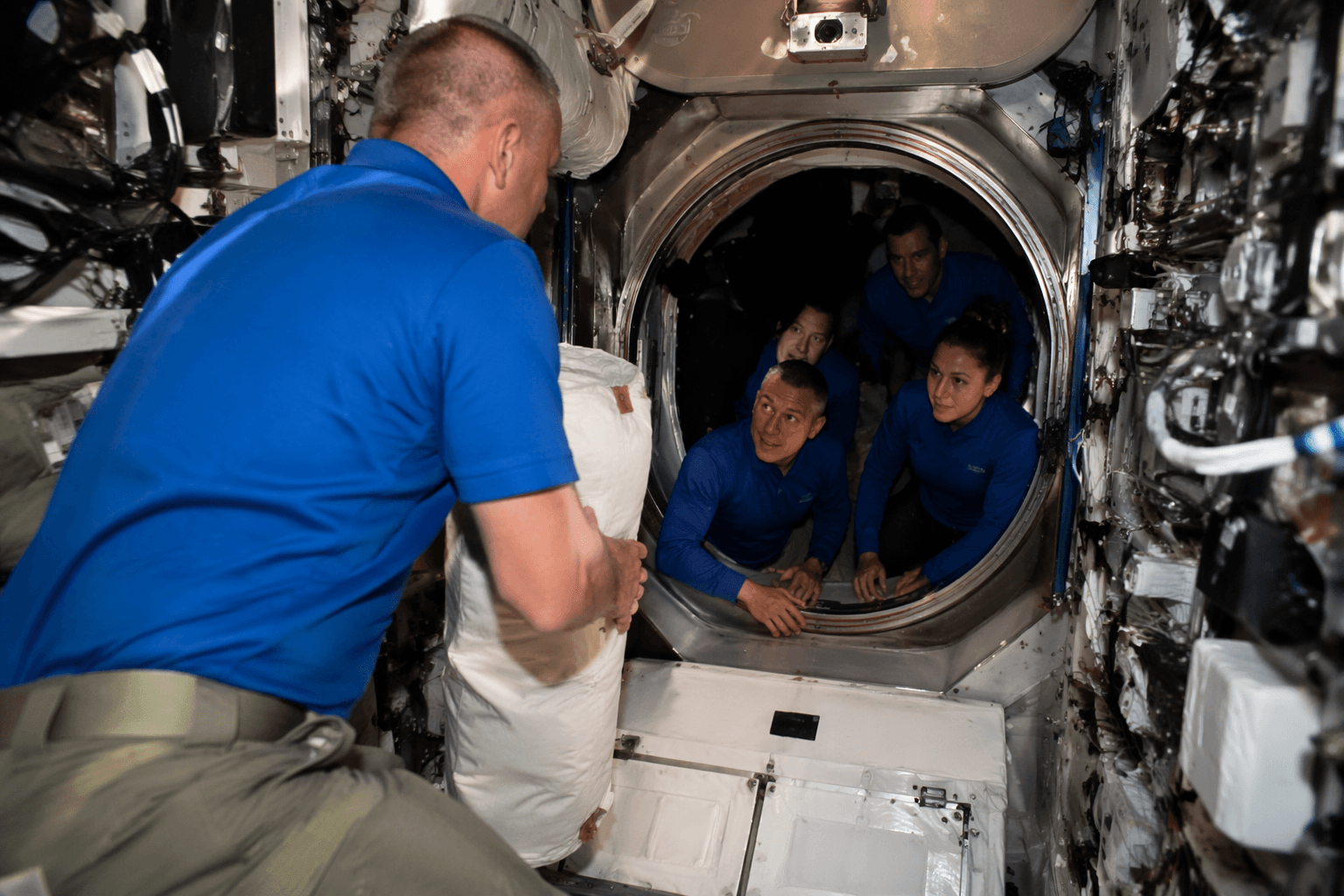
NASA later cleared the crew to resume normal station operations after Roscosmos paused the repair work to collect more measurements and data. The brief return to routine suggested caution rather than a catastrophic failure, but the episode also showed how little room there is for error on a station built around international coordination and shared risk management.
The timing matters because the International Space Station is nearing the end of its life cycle and is expected to be retired in 2030. That makes every aging component, especially in the Russian modules, a harder judgment call for NASA and Roscosmos as they decide when to repair, when to pause and when to shelter the crew in a spacecraft meant to get them home.

NASA’s own station update said Progress 95 docked to the aft port of the Zvezda module on April 27, 2026, delivering about three tons of food, fuel and supplies. The cargo ship was expected to remain attached for about six months before destructive re-entry, and its arrival formed part of the sequence that preceded the latest pressure drop concern.
This article was produced by Prism’s automated news system from verified source data, official records, and press releases, then run through automated quality and moderation checks before publishing. The system is built and supervised by the people who set the standards it runs under. Read our full AI policy.
Did this article answer your question?