NASA chief pushes faster Artemis timeline amid China moon race
Jared Isaacman is speeding up Artemis, adding a 2027 mission and pushing for annual lunar landings as NASA leans harder into commercial Moon contracts and China competition.

NASA Administrator Jared Isaacman is pressing for a faster Artemis schedule, with the agency adding an extra mission in 2027 and aiming for at least one lunar landing every year after that. The shift puts new urgency on how NASA uses commercial partners, how quickly it can move hardware, and how much risk it will tolerate as the United States races China back to the Moon.
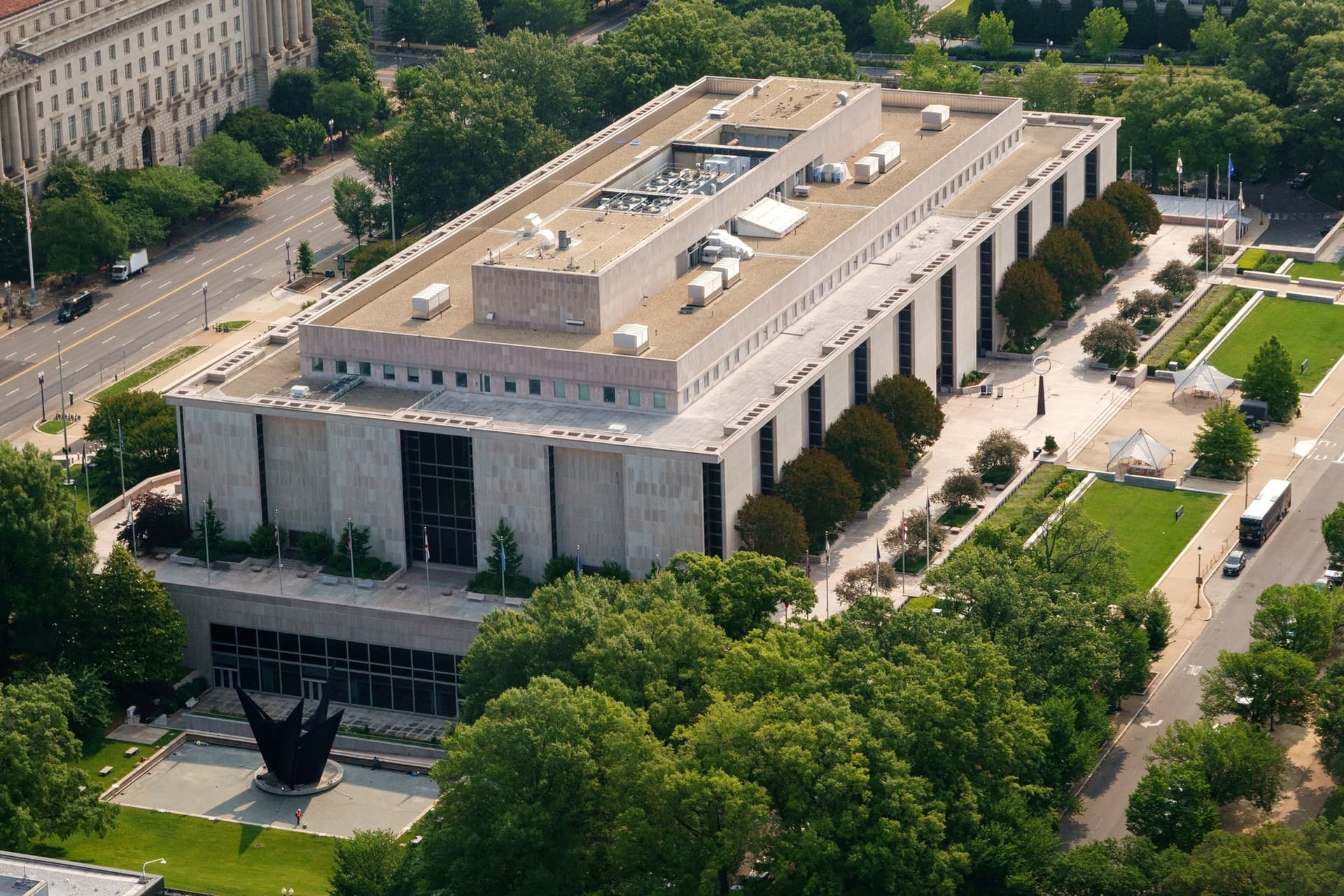
Isaacman, NASA’s 15th administrator, was sworn in on Dec. 18, 2025, at the Eisenhower Executive Office Building in Washington after the Senate confirmed him the day before on a 67-30 vote. His early months have been marked by a public push to accelerate exploration, including a June 30 virtual NASA conversation focused on plans for a Moon Base on the lunar surface and late-May contract and mission updates that included rovers and cargo landers bound for the Moon.
The interview aired on Face the Nation with Margaret Brennan on July 5, alongside other national-policy guests. Isaacman has repeatedly framed the U.S. space program as a competition with China, warning that China could be the next nation to fly around the Moon. That language has sharpened the political stakes around Artemis, which NASA is now positioning less as a one-off return and more as a standing lunar campaign.
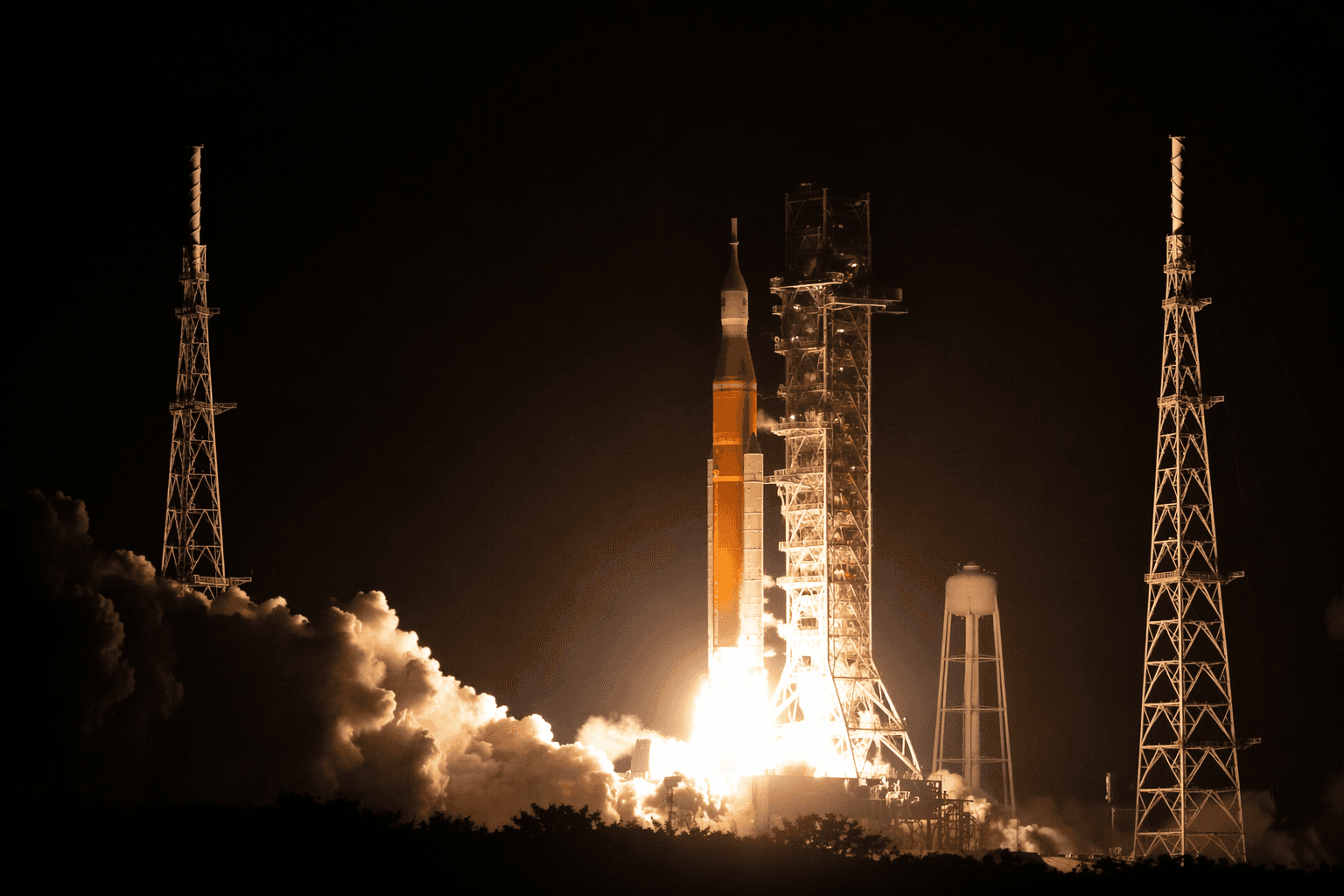
NASA’s latest Artemis plan reflects that shift. The agency has said Artemis II was in preparation at Launch Pad 39B at Kennedy Space Center in Florida in March 2026, and Isaacman has tied the mission to a broader goal of establishing a lasting lunar presence. NASA press materials for Artemis II described the flight as progress toward that presence and toward sending Americans to Mars, underscoring how the Moon program is now being sold as the first step in a deeper human exploration pipeline.
The practical changes under Isaacman are concrete. NASA is leaning more heavily on commercial delivery systems for the Moon, expanding its use of private rovers, cargo landers and mission updates rather than relying only on a slower, fully government-run cadence. It is also moving from a single flagship return to the Moon to a schedule built around repeated landings, which would demand steadier funding, tighter coordination and fewer long gaps between launches.

That faster tempo will test NASA’s political and budget room. Isaacman took office after a close confirmation fight, and his public push for speed now runs through a federal agency that must carry out national space policy while proving that a more aggressive Artemis program can survive the technical and fiscal strain of repeated lunar missions.
This article was produced by Prism’s automated news system from verified source data, official records, and press releases, then run through automated quality and moderation checks before publishing. The system is built and supervised by the people who set the standards it runs under. Read our full AI policy.
Did this article answer your question?