NASA looks ahead to Artemis III after historic Artemis II moon flyby
Artemis II sent four astronauts farther from Earth than any human had ever gone, then brought them home to family, clearing a crucial test for NASA’s lunar push.
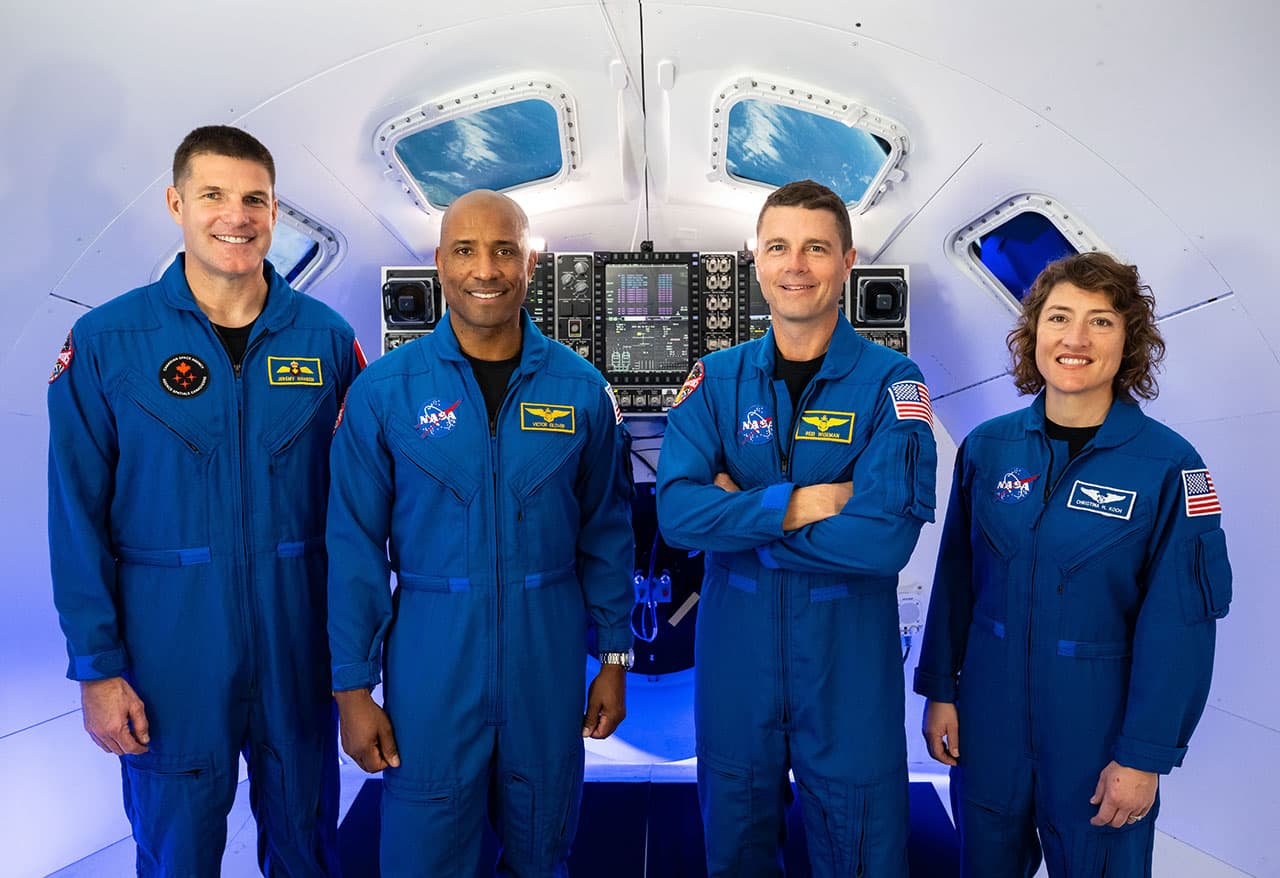
Family came first at Johnson Space Center, where Reid Wiseman, Victor Glover, Christina Koch and Jeremy Hansen returned to Houston after a 10-day voyage around the Moon and back and were reunited with loved ones at a welcome-home ceremony. For NASA, the moment carried the emotional weight of a homecoming and the institutional pressure of a program meant to rebuild the agency’s deep-space reach.
Artemis II launched from Kennedy Space Center’s Launch Pad 39B at 6:35 p.m. EDT on April 1, 2026, then splashed down off San Diego at about 8:07 p.m. EDT on April 10, 2026. Along the way, the crew reached 248,655 miles from Earth at 1:56 p.m. EDT on April 6, 2026, passing the Apollo 13 mark for the farthest distance humans had traveled from home. The flight made the four astronauts the first crew to test NASA’s Artemis program from deep space, a mission designed to prove systems that will have to work cleanly before the agency can move farther outward.
That is the larger program question hanging over the reunion: Artemis II showed NASA can launch, fly, and return a crew on a lunar loop, but it also underscored how much still has to go right in a long program built on precision, timing, and public patience. The agency has tied the mission to future Moon landings and eventual Mars travel, a reminder that every successful flight is also a test of whether Congress, contractors, and NASA can sustain the schedule, funding, and technical discipline needed for the next steps.
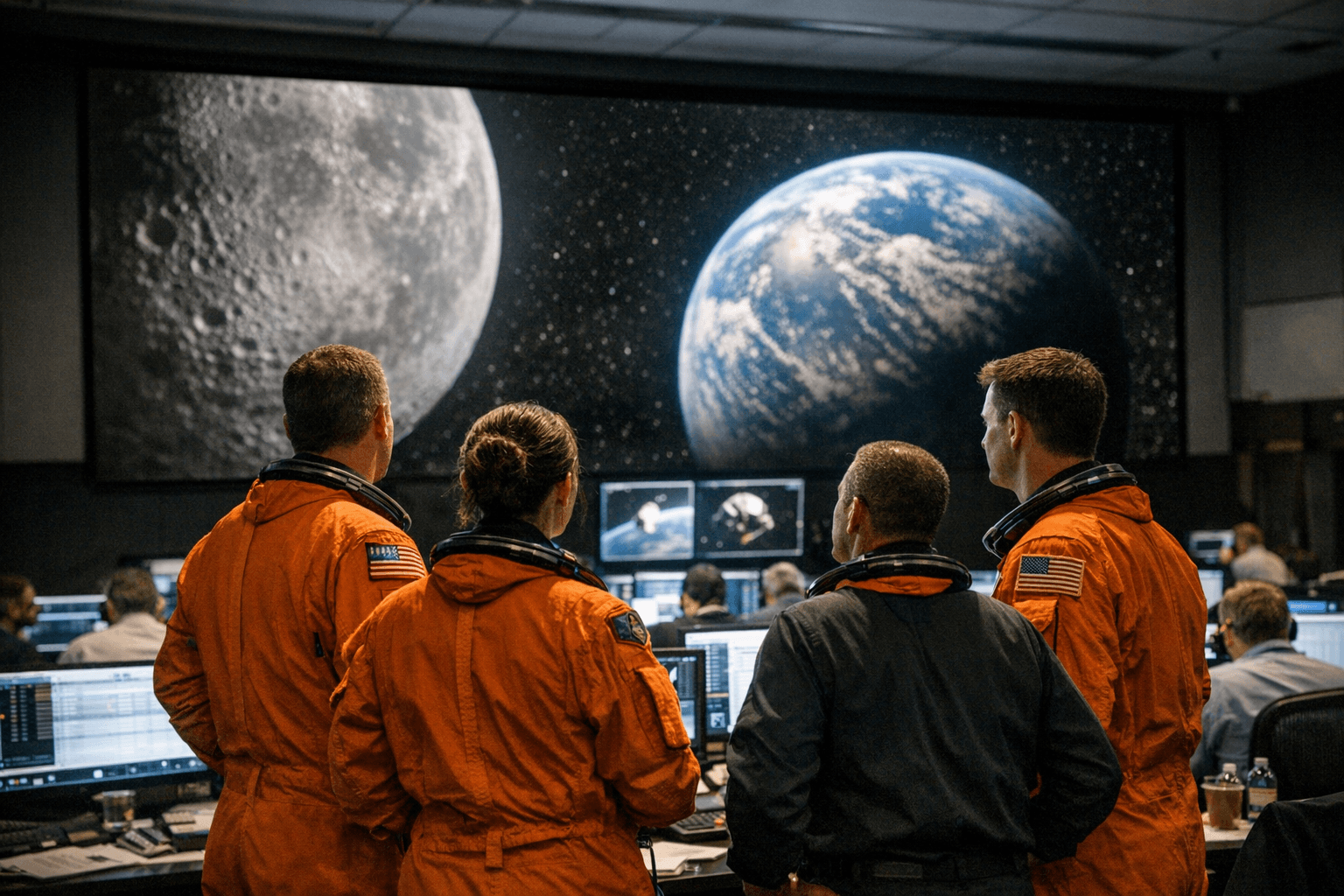
NASA now plans Artemis III for 2027. The mission is expected to test rendezvous and docking with one or both commercial lunar landers from SpaceX and Blue Origin, while also preparing the architecture for an Artemis IV landing in 2028. In other words, Artemis II was not the finish line. It was proof that NASA can still send humans deep into space and bring them back safely, while the far more complicated work of turning a flyby into a sustained lunar landing program is still ahead.
Sources:
Know something we missed? Have a correction or additional information?
Submit a Tip