NASA plans Artemis III for 2027, tests lunar landing systems
NASA has fixed Artemis III on a 2027 clock, but the lander, crew transport system and lunar suits are still not locked down. Those gaps still threaten schedule confidence and safety.
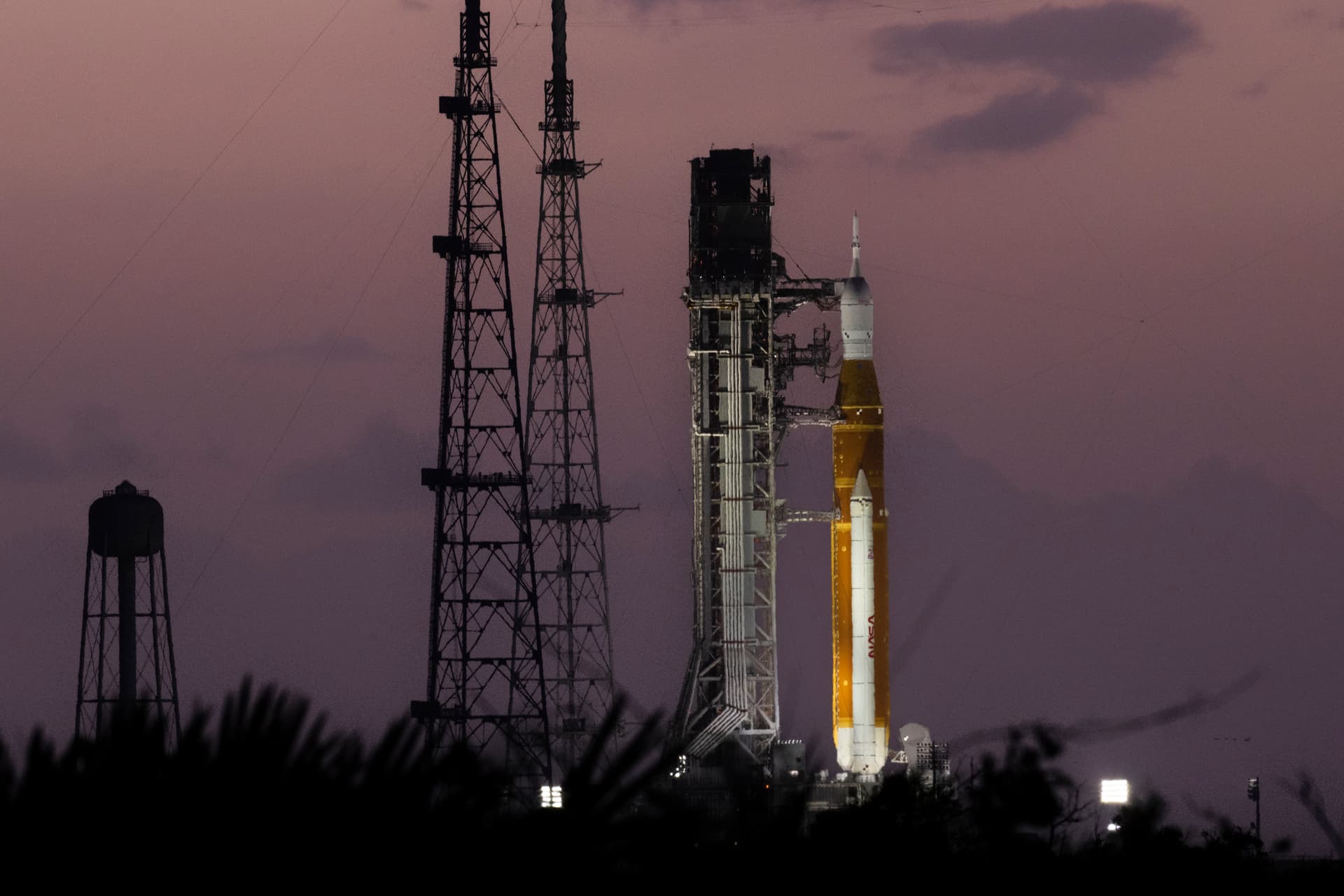
NASA has put Artemis III on a 2027 target, but the hardest parts of the mission are still unsettled. The agency plans to launch four crew members in Orion atop the Space Launch System rocket from Kennedy Space Center in Florida, then use the flight to prove out the systems needed for a future lunar landing. Even with that framework in place, NASA has not finished deciding how the mission will work in detail, and those open questions are the ones most likely to strain cost estimates and schedule credibility.
One of the clearest decisions is also one of the simplest: NASA plans to use a non-propulsive spacer instead of the interim cryogenic propulsion stage for Artemis III. That swap suggests the agency is still adjusting the spacecraft stack to match the mission it wants to fly. NASA is also defining the concept of operations, meaning the choreography of how Orion will meet up with another spacecraft in orbit and how the rest of the landing sequence will unfold. In plain English, NASA is still writing the playbook for the mission while the hardware is already moving through the pipeline.
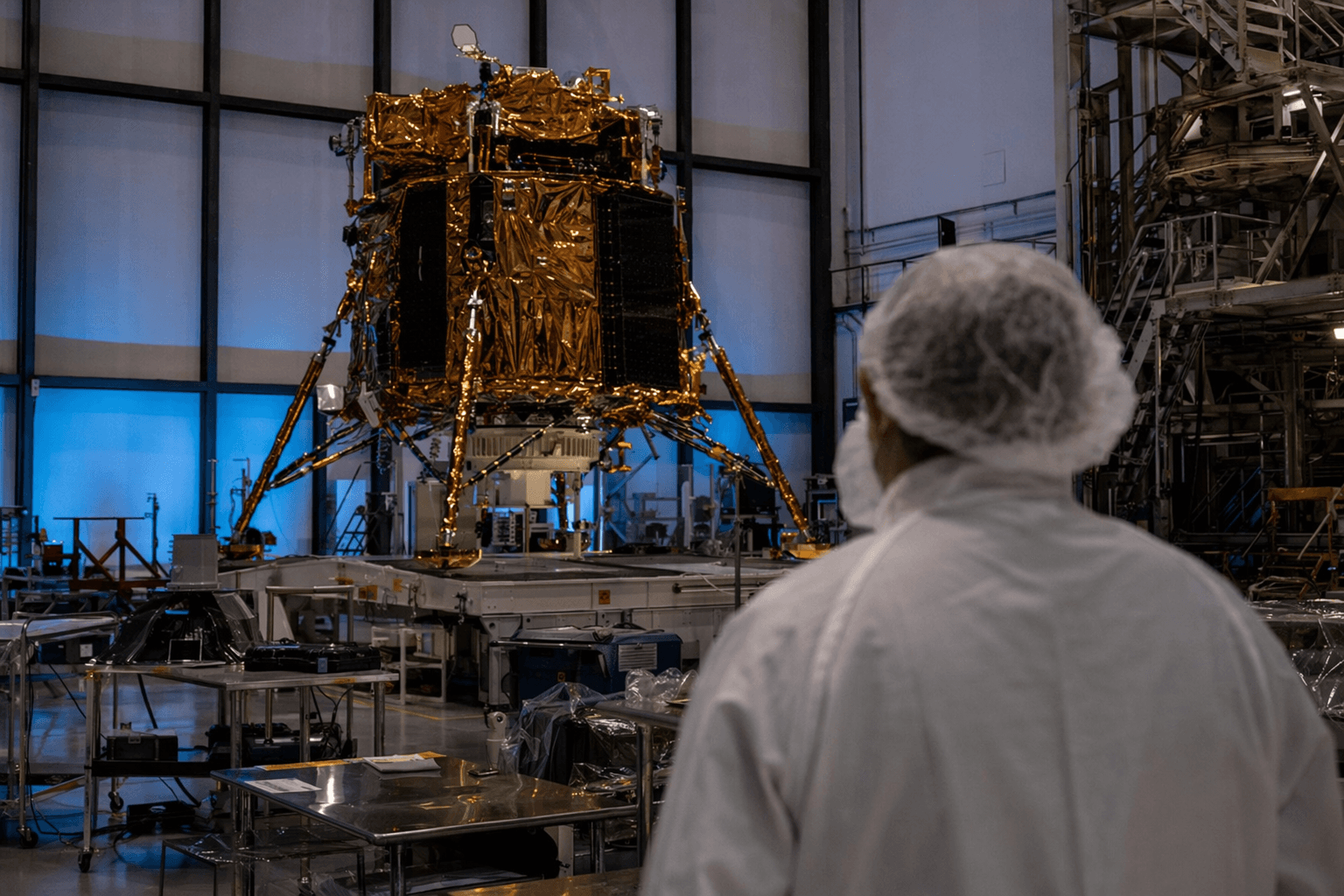
The agency says Artemis III will test rendezvous and docking between Orion and a commercial spacecraft, a critical step for any Moon landing architecture that depends on multiple vehicles working together. NASA also says it will test one or both commercial landers from SpaceX and Blue Origin, but it has not yet spelled out which system will be used or how the mission design will be split between them. Those choices matter because every additional interface adds another point of failure. If the lander is late, the docking plan slips. If the docking plan slips, the crew timeline slips with it.
NASA says the mission is intended to be the first crewed Artemis landing mission near the lunar South Pole and would mark humanity’s first return to the lunar surface in more than 50 years. That makes the stakes unusually high. The Government Accountability Office has warned that NASA still needs to develop, acquire and integrate a vehicle to transport crew to and from the lunar surface, along with space suits for surface operations. Those are not minor details. They are the difference between a Moon landing on paper and a crew actually stepping onto the surface and getting home safely.
NASA’s rollout of the Artemis III core stage to Kennedy Space Center in 2026 shows the program is moving forward. But the major operational choices remain open, and until NASA closes them, 2027 is still a goal that depends on a lot more than a rocket leaving the pad.
This article was produced by Prism’s automated news system from verified source data, official records, and press releases, then run through automated quality and moderation checks before publishing. The system is built and supervised by the people who set the standards it runs under. Read our full AI policy.
Did this article answer your question?

