NASA taps Relativity Space for Mars mission, setting race with SpaceX
NASA is betting on Relativity Space for a 2028 Mars mission, a move that could give the agency a second deep-space contender beyond SpaceX.
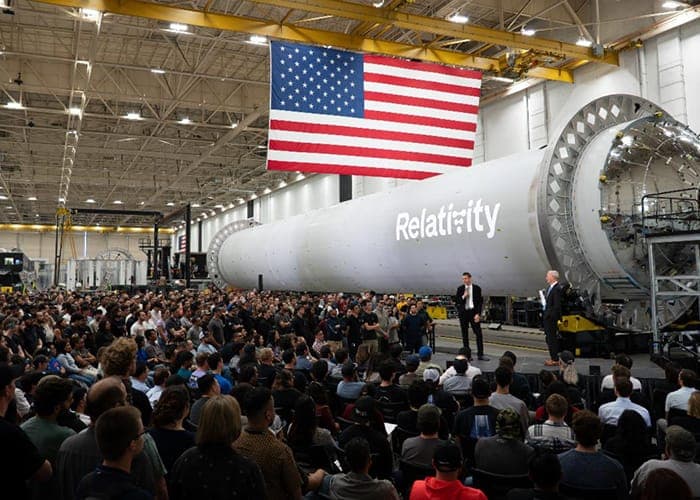
NASA is testing whether it can build a second serious deep-space launch partner without tying its Mars future to one company. By choosing Relativity Space for a new Mars mission, the agency is signaling that its procurement strategy now matters as much as the hardware, especially as SpaceX presses ahead with its own Mars ambitions.
NASA announced the public-private partnership on June 17, 2026. Under the plan, NASA will provide the Aeolus atmospheric-science instrument payload suite, while Relativity Space will supply the spacecraft, rocket and cruise operations needed to deliver the instruments to Mars. The mission is being aimed at a 2028 launch, and NASA has described Aeolus as a Mars science mission meant to deepen understanding of the planet’s atmosphere. Earlier technical materials said the concept is intended to provide the first global, seasonal and diurnal data on Martian winds and climate.
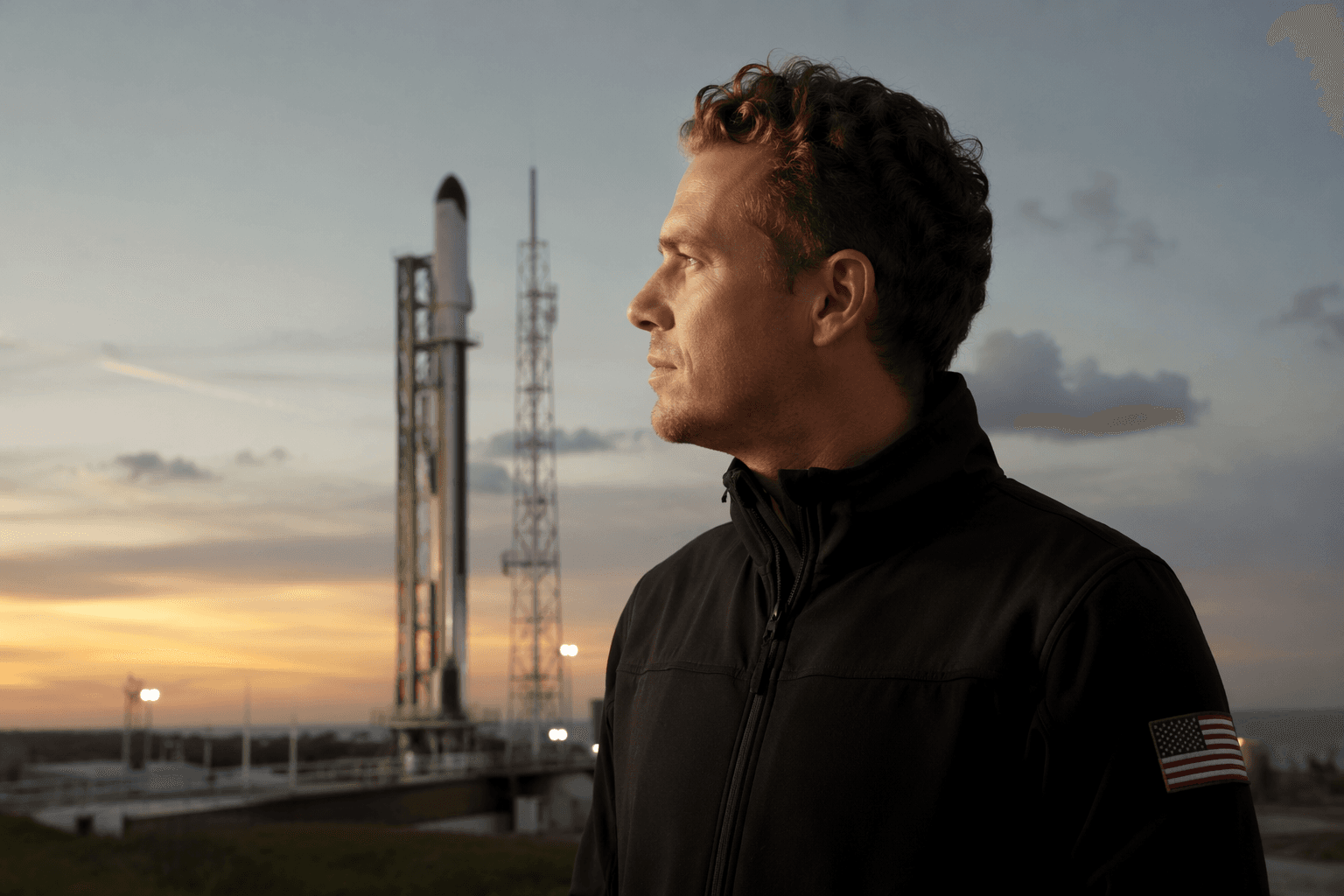
The choice also reflects a larger policy calculation. Relativity Space, based in Long Beach, California, stumbled on its path to orbit with Terran 1 before Eric Schmidt took a controlling stake and became chief executive in March 2025. Since then, the company has tried to recast itself as more than a launch startup, pointing to more than $3 billion in pre-sold launch contracts and more than a dozen customers. Relativity said the Mars partnership fits its broader Interplanetary Sciences Program and said it plans to launch a Mars orbiter in 2028.
That puts the company into direct competition, at least in strategic terms, with SpaceX. SpaceX says Starship is a fully reusable transport system designed to carry crew and cargo to Earth orbit, the Moon, Mars and beyond, and says it is working toward a vehicle capable of lifting more than 100 metric tonnes to orbit in a reusable configuration. The contrast is stark: one company is the dominant launch provider, while NASA is deliberately helping cultivate another contender that could compete for the next generation of Mars missions.
The move fits a wider pattern in NASA’s Mars strategy. The agency already relies on the Mars Relay Network, an international constellation of spacecraft orbiting Mars that sends science data back to Earth, and its broader Mars program includes orbiters, landers and rovers that support future human exploration. Like Commercial Lunar Payload Services, the new deal extends NASA’s reliance on commercial partners into deep space. The agency is not just buying a ride to Mars. It is shaping a market that could decide how much leverage the United States has on the road to Mars.
This article was produced by Prism’s automated news system from verified source data, official records, and press releases, then run through automated quality and moderation checks before publishing. The system is built and supervised by the people who set the standards it runs under. Read our full AI policy.
Did this article answer your question?